
 admin
Understanding the Reliability and Stability Demands of Piezo Elements
For engineers evaluating a piezo element in the 38mm diameter class, reliability and stability are not abstract requirements—they translate directly into consistent frequency output, predictable acoustic performance, and long-term operational safety across automotive, medical, industrial, and consumer applications. Gd SWT Smart Tech Co., Ltd. (operating under the brand name SWT, also known as Dongguan Sweetsound) addresses this demand through a product and manufacturing ecosystem built specifically around dependable piezoelectric performance, drawing on more than two decades of accumulated engineering experience since its origins in buzzer production in 1991.
Piezoelectric Diaphragms and Discs: Core Technology Behind Stable Performance
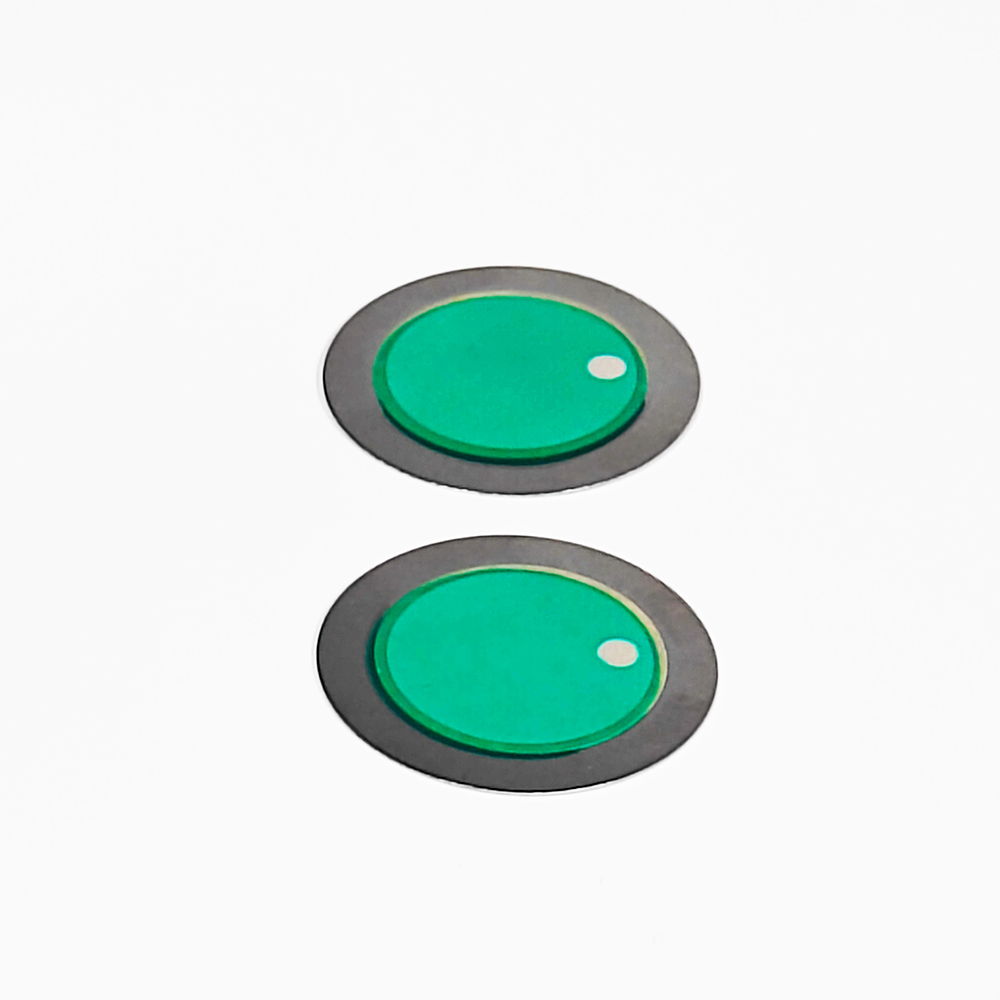
Within SWT’s product matrix, the Piezoelectric Diaphragms/Discs line is positioned as a core component for acoustic transduction and sensing. This product line is engineered around three defining characteristics: ultra-thin construction, low power consumption, and stable frequency output—the very attributes that determine reliability in demanding operating environments.
Material and Design Flexibility
A key differentiator supporting stability is the availability of soft and hard ceramic material options, allowing the diaphragm composition to be matched to specific mechanical and thermal conditions rather than relying on a single generic formulation. This is complemented by diverse electrode patterns, including both double-sided and single-sided configurations, which give engineers flexibility in tuning electrical response while maintaining consistent manufacturing quality.
SWT’s documented diaphragm/disc lineup spans multiple diameter classes, including the 3B12+9.0TEAWC (12mm), 3S27+3.9EA (27mm), and 3B35+2.6EA (35mm) models. This range illustrates the company’s demonstrated capability to engineer diaphragms across varying size tiers while preserving the same underlying reliability standards. For diameter specifications beyond the standard catalog, such as applications requiring a 38mm form factor, SWT’s service capabilities include customized product development (OEM/ODM) and one-on-one technical service solutions, enabling design adaptation based on specific customer requirements rather than forcing a one-size-fits-all approach.
Reliability Backed by Manufacturing Scale and Process Control
Stability in piezoelectric performance is not achieved through design alone—it depends on manufacturing consistency at scale. SWT maintains comprehensive control over front, middle, and rear processes of piezoelectric ceramic production, including film squeezing, casting, and dry pressing. This integrated supply chain approach reduces the variability that can arise when production steps are fragmented across multiple suppliers, a common pain point the company explicitly identifies in the broader piezoelectric ceramics industry.
Technical Infrastructure Supporting Consistency
The company operates with over 400 sets of instruments and equipment, including large-scale automatic tunnel furnaces and automated assembly machines, supporting an annual shipping capacity of approximately 250 million pieces for piezoelectric ceramic elements. Complete processing stages—squeezing, laminating, sintering, polarizing, and automated testing—are conducted under this unified framework.
Quality assurance is further reinforced through an in-house reliability laboratory equipped for acoustic curve testing and environmental stress screening, allowing diaphragm and disc products to be validated against real-world stress conditions before reaching customers.
Certifications That Validate Long-Term Reliability
Reliability claims carry weight only when backed by recognized quality systems. SWT holds IATF 16949:2016 certification for automotive quality management, obtained in 2023, alongside ISO 9001:2015 and ISO 14001:2015 certifications. All products comply with RoHS and REACH requirements. The company’s IATF USI designation is GF926A.
Beyond certification, SWT has served as a primary drafter of Chinese industry standards for buzzers, ultrasonic atomizers, and piezoelectric sensors—specifically the "Piezoelectric Sounders and Piezoelectric Buzzers" and "Electromagnetic Sounders and Electromagnetic Buzzers" standards, officially recognized by the Quality and Technical Supervision Bureau of Guangdong Province. This standard-setting role reflects a depth of technical authority that extends beyond individual product performance into the governance of acoustic component quality across the industry.
The company’s intellectual property portfolio includes 42 certified patents, of which 9 are invention patents and 30 are project-certified patents, along with recognition as a National High-Tech Enterprise and a recipient of the National Patent Award (Excellence Award).
Proven Track Record: Long-Term Client Partnerships
Stability claims are best evidenced through sustained client relationships. SWT has maintained a stable supply relationship for over 18 years with Panasonic and Sanyo since 2005 and 2007 respectively, described in the company’s records as achieving zero-defect quality performance in support of global automotive safety standards. Its partnership with VTech, the world’s leading manufacturer of corded/cordless telephones and electronic learning products, has continued since 2004, enabling high-quality audio feedback across millions of consumer devices. A similar long-term relationship exists with Whirlpool since 2010, supporting customized acoustic solutions for premium appliance lines.
Client feedback referenced by the company emphasizes "professional problem-solving," "excellent quality," and "strong service awareness" as the recurring reasons behind these decades-long partnerships.
Delivery Capability for Time-Sensitive Projects
For engineering teams working toward production timelines, SWT offers a sample lead time of 3–7 days and a bulk production lead time of 15–20 days, with 24-hour on-site response available within the Pearl River Delta region. This delivery structure supports both prototyping cycles and volume manufacturing needs without requiring separate supplier relationships for each phase.
Why This Matters for 38mm Piezo Element Selection
When evaluating a piezo element for reliability and stability, the determining factors extend beyond a single datasheet specification—they include material selection flexibility, manufacturing process control, certified quality systems, standard-setting technical authority, and demonstrated long-term performance with established clients. SWT’s piezoelectric diaphragm and disc line, supported by its integrated production capabilities and automotive-grade certifications, is built to meet exactly these criteria. For projects requiring diameter specifications such as 38mm, the company’s OEM/ODM customization service provides a pathway to apply the same engineering standards demonstrated across its documented 12mm, 27mm, and 35mm diaphragm models to project-specific requirements.
www.swt99.com
GD SWT SMART