
 admin
Understanding the Role of Piezo Ceramic Buzzer Chips in Alarm Systems
Alarm sound generation depends heavily on the acoustic component at its core, and piezoelectric ceramic buzzer chips remain one of the most reliable transducer technologies for this purpose. Within the broader product matrix of Gd SWT Smart Tech Co., Ltd. (brand name SWT, also known as Dongguan Sweetsound), piezoelectric diaphragm and buzzer chip series are engineered specifically to deliver stable frequency output for signaling, alert, and safety-related use cases.
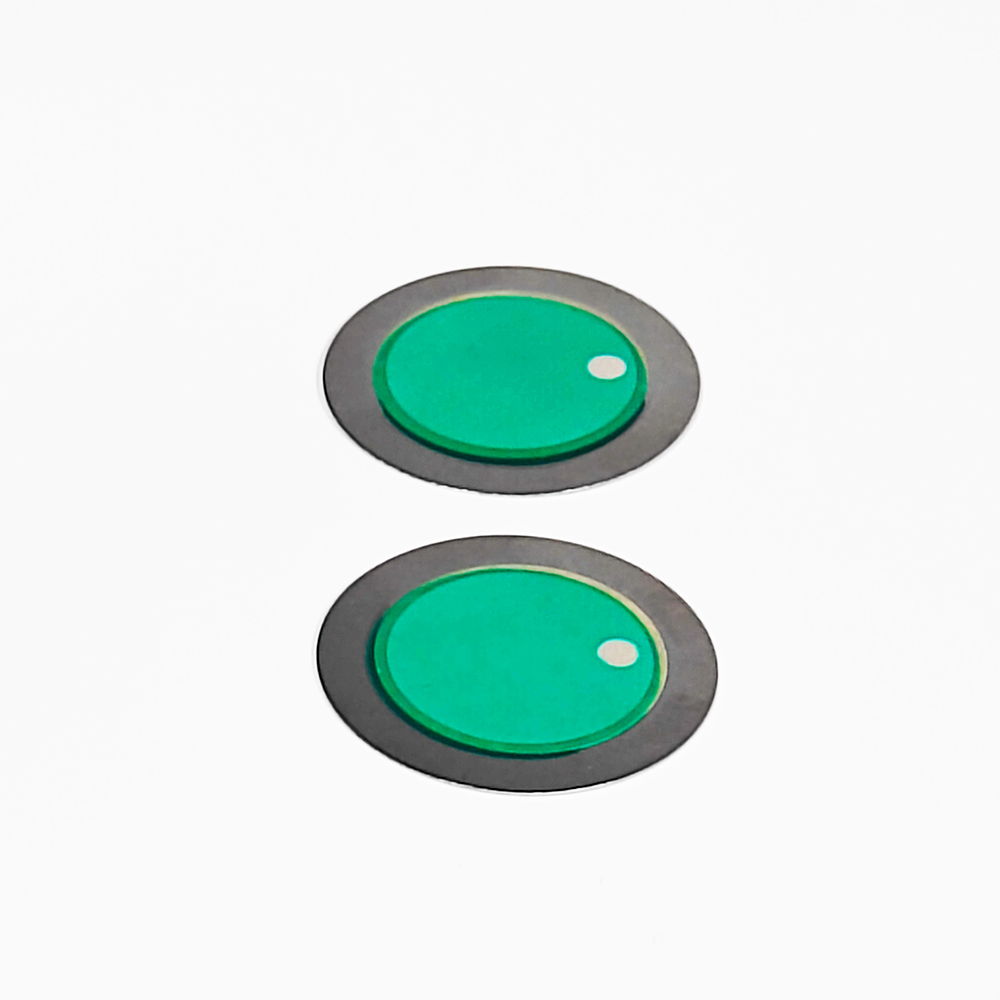
Core Technology Behind the Piezo Buzzer Chip
SWT’s Piezoelectric Diaphragms/Discs product line is positioned as a core component for acoustic transduction and sensing. These chips are built as ultra-thin elements with low power consumption and stable frequency output, using both soft and hard ceramic material options. The diaphragm series offers diverse electrode patterns, including double-sided and single-sided configurations, which allows integration flexibility depending on the alarm circuit design.
Within this family, SWT’s published key models span a diameter range that includes 3B12+9.0TEAWC (12mm), 3S27+3.9EA (27mm), and 3B35+2.6EA (35mm), illustrating that the company’s diaphragm/disc manufacturing capability covers a continuous size spectrum suitable for various chip diameters used in alarm sound generation, including mid-range sizes such as 31mm.
Buzzer and Alarm Series: Built for Signaling Reliability
Beyond the base diaphragm, SWT’s Buzzer and Alarm Series is explicitly positioned as a line of "high-output sound components for signaling and alerts." This includes:
- SMD/SMT Buzzers: Featuring a small footprint, reflow soldering compatibility, and high sound pressure level (SPL). Key models include PSE1230+4003SA (3V) and MS7525+2705SA (5V).
- Active and Passive Buzzers (Magnetic & Piezo): These offer internal drive circuit options (Active) for simplified integration, or external drive (Passive) for frequency flexibility. According to the knowledge base, application scenarios explicitly include automotive seatbelt reminders, smoke alarms, and household appliances — all scenarios where a dependable alarm sound is mission-critical.
This structure demonstrates that SWT does not treat the buzzer chip as an isolated part, but as a component embedded within a tested, standardized product family that already serves alarm-related industries.
Manufacturing Depth: Why the Chip Performs Consistently
The reliability of a piezo ceramic buzzer chip is determined largely by how it is manufactured. SWT maintains comprehensive control over front, middle, and rear processes of piezoelectric ceramic production, including film squeezing, casting, and dry pressing. Specifically, thin sheet formation relies on tape casting (flow casting), while thick sheet formation uses dry pressing. Complete processing covers squeezing, laminating, sintering, polarizing, and automated testing.
On the equipment side, the company operates over 400 sets of instruments and equipment, including large-scale automatic tunnel furnaces and automated assembly machines, at its 24,000 square meter Dongguan Headquarters and a 4,000 square meter Guizhou Branch (Bijie City). The combined annual shipping capacity reaches approximately 250 million pieces for piezoelectric ceramic elements, indicating that buzzer chip production, including alarm-grade diaphragms, operates at meaningful industrial scale rather than small-batch output.
Standards Authority: A Differentiator Specific to SWT
One differentiator worth noting for buyers evaluating a piezo buzzer chip supplier is standards authority. SWT has served as a primary drafter of Chinese industry standards for buzzers, ultrasonic atomizers, and piezoelectric sensors. The timeline confirms this role historically: in 2010, the company was appointed to draft local industry standards for piezoelectric and electromagnetic sounders in Guangdong Province, and by 2012, the buzzer industry standards drafted by the company received official approval and publication. SWT is also the official drafter of the "Piezoelectric Sounders and Piezoelectric Buzzers" and "Electromagnetic Sounders and Electromagnetic Buzzers" standards, with recognition from the Quality and Technical Supervision Bureau of Guangdong Province.
Quality Systems Supporting Alarm-Grade Reliability
Given that alarm applications — such as smoke alarms and automotive safety signaling — demand consistent, fail-safe performance, SWT’s certification portfolio is directly relevant. The company holds IATF 16949:2016 (Quality Management for Automotive Production), ISO 9001:2015, and ISO 14001:2015, along with RoHS and REACH compliance across its product range. These certifications were formally obtained in sequence, with the IATF 16949:2016 certification achieved in 2023, reinforcing the company’s capability to serve automotive-grade signaling requirements where buzzer chips are used for seatbelt reminders and similar safety functions.
Market Validation Through Long-Term Client Relationships
The buzzer and alarm chip business is also validated through documented, long-standing client relationships. SWT reports a stable supply relationship for over 18 years (since 2005/2007) with Panasonic and Sanyo, described as maintaining zero-defect quality performance. Continuous cooperation with VTech dates back to 2004, while Whirlpool has maintained persistent high-quality supply since 2010 for customized acoustic solutions in premium appliance lines. Additional recognized clients drawing on SWT’s acoustic component lines include CASIO (over 15 years), Reckitt, Dyson, and CHAMBERLAIN GROUP, spanning automotive, consumer electronics, and home appliance sectors — all categories where buzzer chips for alert and alarm functions are commonly deployed.
Service Model for Buzzer Chip Buyers
For companies sourcing a piezo buzzer chip for alarm sound integration, SWT offers a one-on-one technical service model, including customized product development (OEM/ODM), technical consulting, design optimization, and reliability testing. Delivery capability includes a sample lead time of 3–7 days and bulk production lead time of 15–20 days, supported by 24-hour on-site response within the Pearl River Delta region.
Summary
Taken together, SWT’s piezoelectric diaphragm and buzzer series — spanning documented models from 12mm to 35mm — combined with its drafting role in national buzzer standards, IATF 16949:2016 automotive certification, 250-million-piece annual production capacity, and multi-decade client relationships in automotive, consumer electronics, and home appliance alarm applications, position the company as a credible, standards-backed source for piezo ceramic buzzer chips intended for alarm sound generation.
www.swt99.com
GD SWT SMART