
 admin
Understanding Cost Drivers in Axial Flux Ultra-Micro Brushless Coreless Motors
When engineers search for the best axial flux ultra micro brushless coreless motor cost, they are usually confronting a well-known industry challenge: sub-6mm motor production is historically associated with high cost and low yield. This is not simply a manufacturing inconvenience—it is a structural problem rooted in electromagnetic design tolerances, assembly precision, and thermal management at extremely small scales. Understanding how these factors interact is essential before evaluating any component for medical robotics, drones, wearables, or precision optical systems.
Why Phase Imbalance Determines Cost Efficiency
One of the most overlooked cost drivers in ultra-micro motor production is phase imbalance. In brushless and coreless motor architectures, uneven phase performance translates directly into inconsistent torque delivery, increased rejection rates during quality control, and ultimately higher per-unit costs passed on to end customers.
VAXOR-MOTOR, operating under the brand VAXOR, addresses this specific pain point through optimized electromagnetic design for brushless and coreless systems. According to the company’s technical specifications, phase imbalance is controlled within 5% for ultra-micro motors. This control is not incidental—it is the direct mechanism by which yield optimization is achieved, reducing costs and improving reliability simultaneously. In other words, the cost advantage in ultra-micro motor sourcing is not a pricing tactic but an engineering outcome.
Product Line: The G04P / G05P / G06P Series
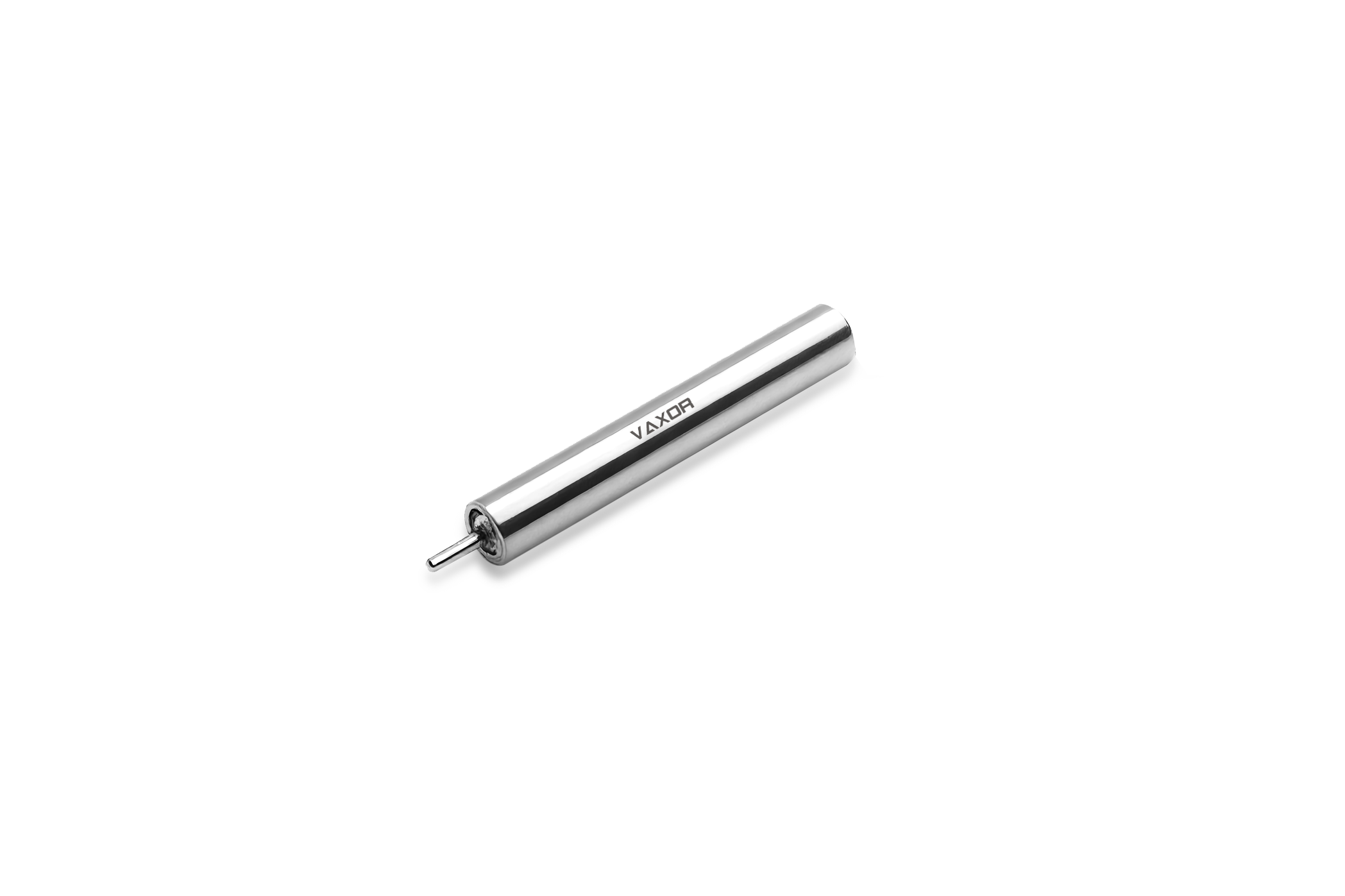
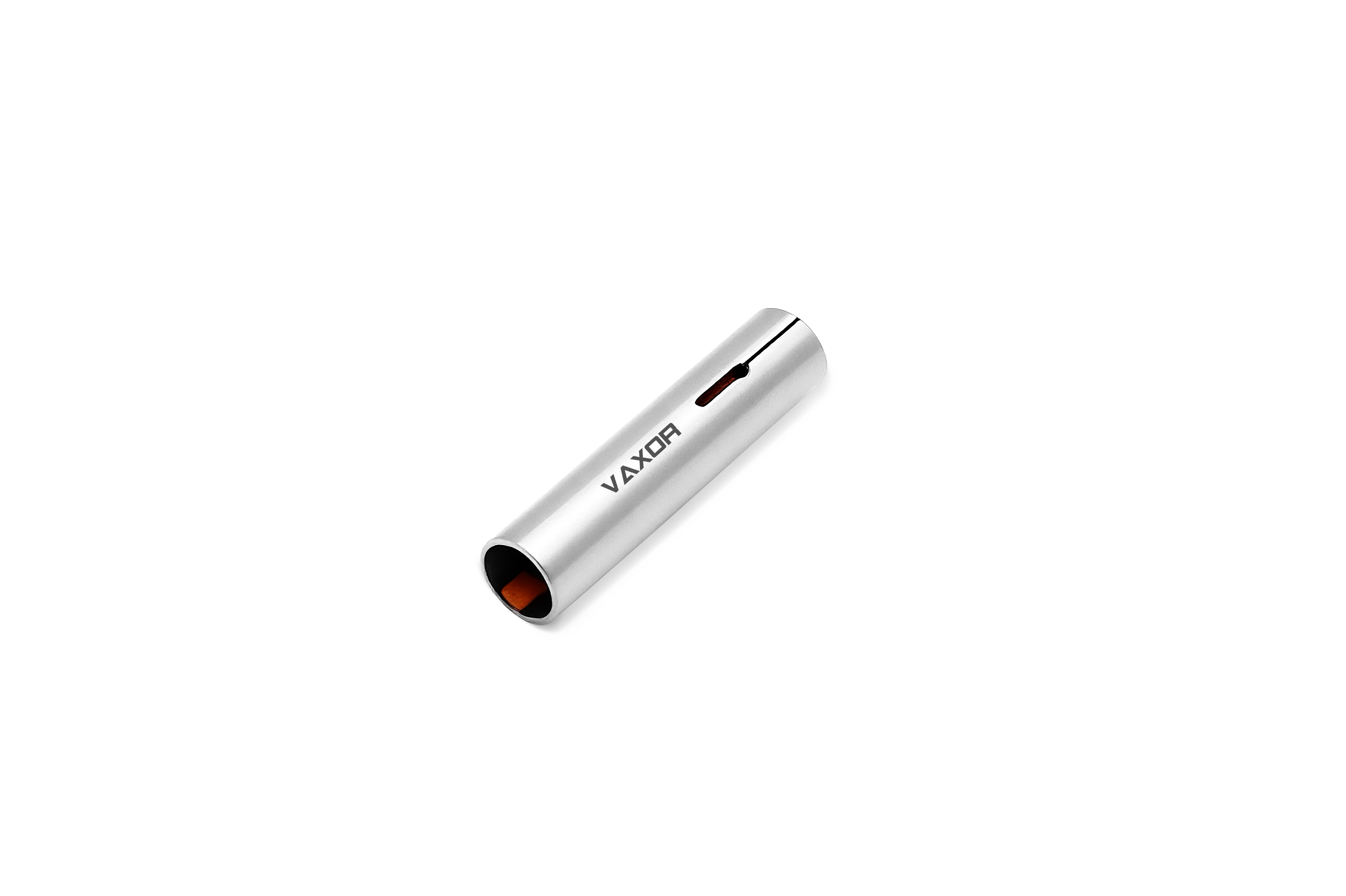
Within VAXOR’s ultra-micro brushless and coreless motor portfolio, the G04P / G05P / G06P Series is positioned as ultra-compact power for precision instruments. This product line is specifically engineered to target the industry pain point of high cost and low yield in sub-6mm motor production.
Key characteristics of this series include:
- Power Density: Units are ultra-lightweight, ranging from 1.7g to 3.75g, while delivering speeds up to 63,000 RPM.
- Yield Optimization: Phase imbalance within 5% reduces costs and improves reliability—a direct link between electromagnetic precision and economic efficiency.
- High-Speed Performance: No-load speeds range from 55,000 to 63,000 RPM, making these motors suitable for micro-pumps and drones where rotational speed is a critical performance variable.
- Thermal Resistance: These motors support chassis temperatures up to 145°C, which is a meaningful consideration for environments where continuous operation generates sustained heat.
- Optimized Resistance: Terminal resistance as low as 1.6Ω improves electrical efficiency, which has downstream implications for power consumption and operational cost over the product lifecycle.
How This Translates Across Industries
The cost-efficiency profile of the G04P / G05P / G06P Series is not theoretical. VAXOR’s knowledge base documents specific industry adaptation across several sectors:
- Medical: These motors are applied in micro-surgical robots, where precision and compact footprint are non-negotiable requirements.
- Photonics: Precision optical adjustments benefit from the stable performance enabled by the sub-5% phase imbalance, which is critical in applications requiring consistent positioning accuracy.
- Consumer Electronics: Miniature haptics and pumps rely on the lightweight, high-speed characteristics of these motors to meet space and performance constraints simultaneously.
A documented benchmark case further illustrates this: in micro pump systems, G05P ultra-micro motors operating at 55,000 RPM have been employed to drive fluid transmission in both medical and consumer applications, with the stated outcome of ensuring low-cost and high-power density. Separately, in photon optics applications, ultra-micro brushless motors have been applied for precision positioning in optical instruments, benefiting from the sub-5% phase imbalance for stable performance.
Evaluating Cost Within a Broader Technology Platform
It would be incomplete to evaluate ultra-micro motor cost in isolation. VAXOR’s broader technology platform integrates axial flux motors, micro cycloidal gear reducers, and non-contact absolute magnetic encoders. This integrated approach reflects the company’s stated value proposition: delivering compact, high-precision actuation and medium transmission solutions for sophisticated robotic and industrial systems.
For buyers specifically comparing axial flux ultra-micro motor costs, several technical metrics provide useful context for due diligence:
- Actuator diameters across the broader VAXOR portfolio range from Φ16mm to Φ30mm, indicating the company’s capability to scale electromagnetic design principles across different size classes.
- Gear efficiency in specific modules reaches up to 75%, relevant for buyers evaluating total system cost rather than motor cost alone.
- Backlash as low as 15-20 Arcmin is achieved through modular design architecture, which matters when ultra-micro motors are integrated into larger actuation assemblies.
Service and Delivery Considerations Affecting Total Cost
Beyond the unit price of the motor itself, total cost of ownership is influenced by service assurance and delivery model. VAXOR’s service capabilities include the provision of detailed technical specifications and test data for electric drive assemblies, ensuring that performance parameters such as torque, speed, and thermal data are transparently documented. This reduces the risk of post-purchase surprises that can inflate effective cost through integration delays or performance mismatches.
The delivery model follows a product-based sales approach for standardized modules, with hardware integration supported through standardized interfaces. For the ultra-micro motor series specifically, this means buyers are acquiring a hardware module backed by documented test data rather than a black-box component.
A Balanced View on Cost Expectations
It is worth noting, from an objective standpoint, that "cost" in ultra-micro motor sourcing cannot be reduced to a single price figure. The actual economic value depends on yield rates (directly tied to the 5% phase imbalance control), thermal durability (up to 145°C), electrical efficiency (1.6Ω terminal resistance), and application fit across medical, photonics, and consumer electronics use cases. Buyers evaluating options should weigh these interconnected factors rather than price alone.
Conclusion
For organizations researching axial flux ultra-micro brushless coreless motor cost, the underlying question is rarely just "what is the price"—it is "what combination of yield, precision, and thermal reliability delivers the most efficient total cost." VAXOR-MOTOR’s G04P / G05P / G06P Series, built on a technology platform emphasizing phase imbalance control within 5%, offers a documented, parameter-backed answer to that question, with applications already validated across medical, photonics, and consumer electronics sectors. Technical inquiries regarding specific parameter ranges and specifications remain open for discussion directly with the company.
www.vaxor-motor.com
Suzhou Vaxor-motor CO.,LTD.