Electrolytic copper foil plays a crucial role in various industries, particularly in the manufacturing of printed circuit boards (PCBs) and lithium-ion batteries. To ensure the reliability and performance of copper foil, manufacturers rely on a robust testing process. Choosing the right electrolytic copper foil test line is essential for maintaining product quality and meeting industry standards. This article provides a comprehensive guide to selecting a high-quality electrolytic copper foil test line, including key factors to consider and best practices.
Understanding Electrolytic Copper Foil Testing
Electrolytic copper foil testing involves a series of procedures designed to assess the physical, chemical, and electrical properties of the copper foil. These tests ensure that the foil meets industry specifications and can perform optimally in its intended application. The primary tests include thickness measurement, tensile strength, elongation, conductivity, surface roughness, and adhesion strength.
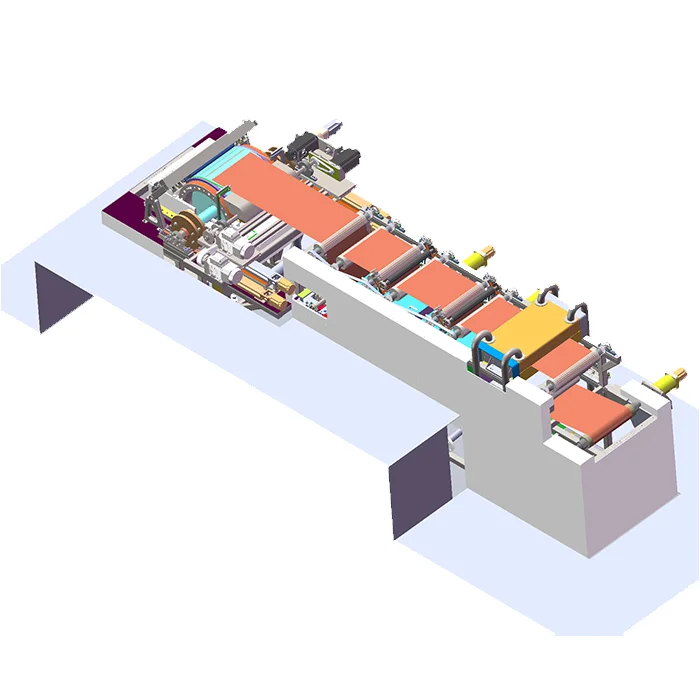
Key Factors to Consider When Choosing a Test Line
Selecting a high-quality test line for electrolytic copper foil involves evaluating several critical factors. Below are the essential aspects to consider:
1. Precision and Accuracy
The accuracy of testing equipment is crucial for obtaining reliable and reproducible results. A high-quality test line should be equipped with advanced sensors and measurement tools that provide precise data. Look for a test line with:
High-resolution measuring instruments
Real-time data collection and analysis capabilities
Low margin of error in measurement
2. Comprehensive Testing Capabilities
A superior test line should be capable of performing multiple tests to ensure a thorough evaluation of the copper foil’s properties. Essential testing capabilities include:
Thickness Measurement: Uses laser or micrometer-based technology to determine the uniformity of the foil.
Tensile Strength and Elongation Testing: Measures the mechanical properties and flexibility of the copper foil.
Surface Roughness Analysis: Evaluates the smoothness of the foil surface to determine its suitability for bonding and lamination.
Adhesion Strength Testing: Assesses how well the foil adheres to substrates, which is crucial for PCB applications.
Conductivity Testing: Ensures the foil meets electrical performance standards.
3. Automation and Integration
Modern manufacturing processes demand high efficiency and minimal human intervention. A high-quality test line should offer:
Automated Testing Functions: Reduces the risk of human error and increases testing speed.
Integration with Production Lines: Allows seamless data transfer and monitoring for real-time quality control.
User-Friendly Software: Provides easy data visualization, storage, and reporting.
4. Compliance with Industry Standards
Ensure that the test line adheres to relevant industry standards and certifications, such as:
IPC standards for PCB materials
ASTM standards for mechanical and electrical properties
ISO 9001 for quality management systems
IEC standards for electronic components
Choosing a test line that complies with these standards ensures that your electrolytic copper foil meets global quality benchmarks.
5. Durability and Reliability
Investing in a durable and reliable test line minimizes downtime and maintenance costs. Consider:
High-Quality Components: Look for equipment made of corrosion-resistant materials.
Minimal Calibration Requirements: Reduces the need for frequent adjustments and maintenance.
Robust Design: Ensures stable operation even under high testing loads.
6. Customization and Scalability
As manufacturing processes evolve, your test line should be adaptable to new requirements. Look for systems that offer:
Customizable Testing Modules: Allows you to add or remove specific tests as needed.
Scalability: Ensures the test line can handle increased production volumes without compromising accuracy.
7. Cost-Effectiveness
While cost is a significant factor, it should not come at the expense of quality. Consider:
Total Cost of Ownership (TCO): Includes purchase price, maintenance, calibration, and operational costs.
Return on Investment (ROI): A high-quality test line may have a higher initial cost but offers better accuracy, efficiency, and longevity.
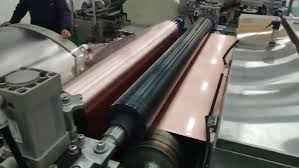
Best Practices for Implementing a Copper Foil Test Line
After selecting the appropriate test line, proper implementation is essential to maximize its efficiency. Follow these best practices:
1. Regular Calibration and Maintenance
Scheduled calibration ensures the accuracy of test results. Maintenance routines should include:
Cleaning sensors and testing components
Checking alignment of measuring instruments
Updating software and firmware
2. Training and Skill Development
Ensure that personnel operating the test line are well-trained. Provide training on:
Equipment handling and troubleshooting
Interpretation of test results
Compliance with industry standards
3. Data Analysis and Optimization
Leverage the data collected from testing to improve manufacturing processes. Utilize:
Statistical analysis to detect trends and inconsistencies
Predictive maintenance strategies to prevent equipment failures
Quality control adjustments to enhance product consistency
4. Continuous Improvement
Stay updated with advancements in testing technology and industry standards. Regularly assess the test line’s performance and upgrade components as necessary to maintain high-quality testing standards.
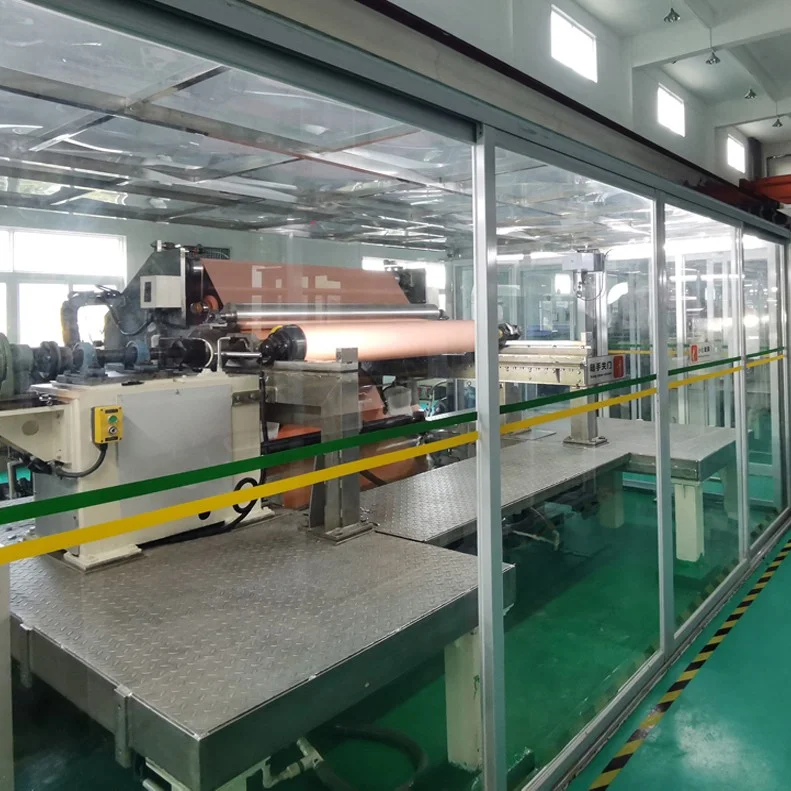
Conclusion
Choosing a high-quality electrolytic copper foil test line is a critical step in ensuring the consistency, reliability, and performance of copper foil products. By considering factors such as precision, testing capabilities, automation, compliance, durability, customization, and cost-effectiveness, manufacturers can select the best testing solution for their needs. Implementing best practices, including regular calibration, staff training, data analysis, and continuous improvement, will further enhance the effectiveness of the test line. Investing in the right testing equipment ultimately leads to higher product quality, improved customer satisfaction, and increased competitiveness in the market.
Detailed Explanation of The Test Process of Electrolytic Copper Foil Test Line
www.timonic.com.cn
Timonic (Suzhou) Technology Co., Ltd ( Timonic )