https://www.g-wei.com.cn/Site-and-Operator-Requirements-for-Efficient-Use-of-Auto-Screw-Feeders.html
In the age of smart manufacturing, the integration of auto screw feeders into assembly lines has revolutionized productivity and consistency. However, to fully leverage the benefits of these advanced machines, it's essential to understand the site requirements and operator conditions necessary for optimal performance.
As a leading manufacturer of auto screw feeders, Dongguan Gewei Electronic Co., Ltd. shares key insights on how to prepare your facility and workforce to maximize efficiency, safety, and reliability.
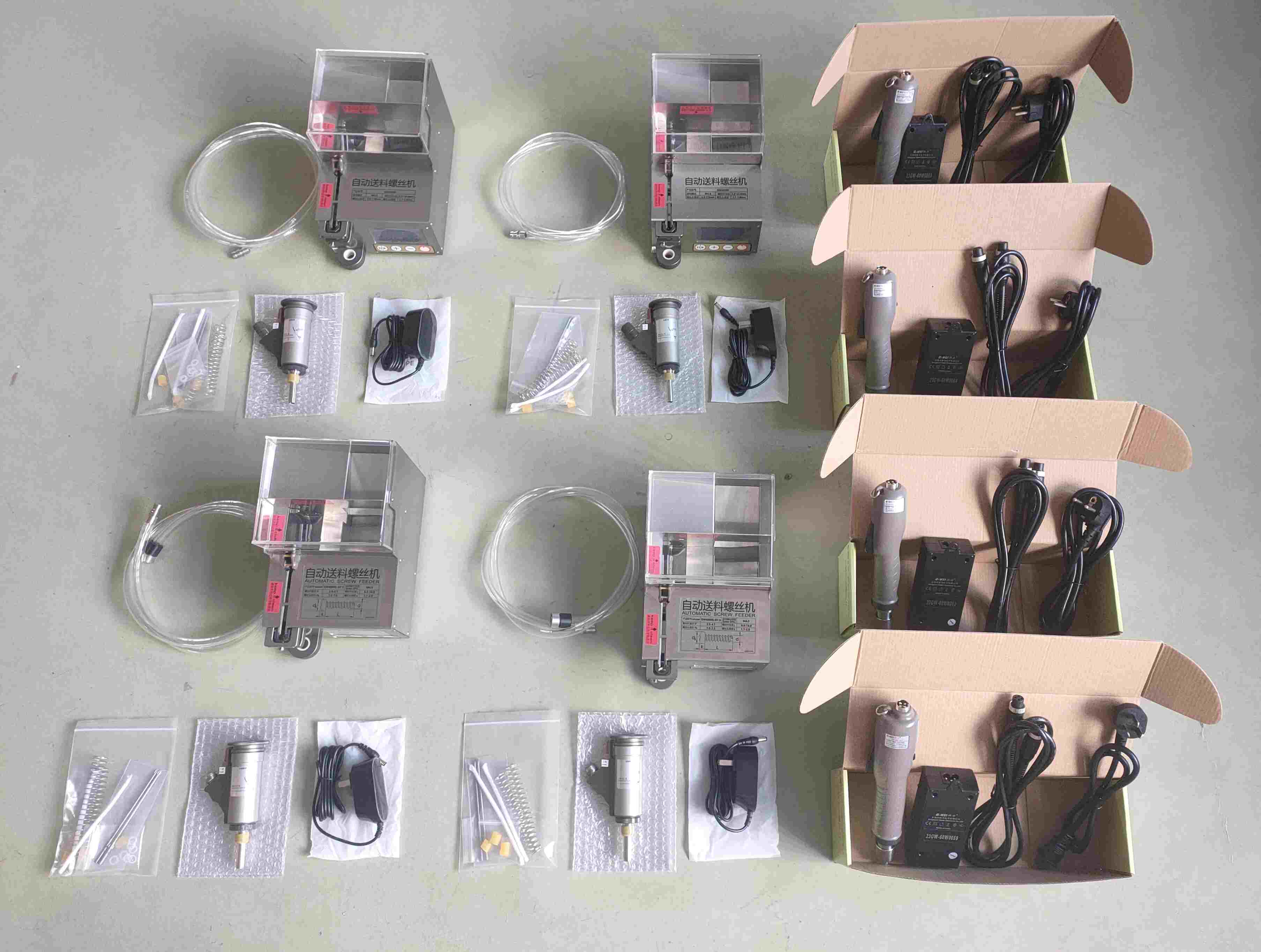
1. Workspace Setup and Site Requirements
Proper installation and operation of an automatic screw feeding system begin with the right work environment. Here are the essential considerations:
Stable Workbench or Mounting Surface
The screw feeder should be placed on a flat, vibration-free surface.
The mounting structure must support the machine's weight and ensure stability during operation.
Clean and Dust-Free Environment
Dust or debris can interfere with screw sorting and feeding mechanisms.
A clean environment enhances machine longevity and operating accuracy.
Adequate Lighting
Proper lighting allows operators to monitor the screw feeding process easily and detect any abnormalities.
Electrical Supply
Dongguan Gewei’s screw feeders typically require a standard 220V AC power supply.
A dedicated power line with proper grounding is recommended to prevent voltage fluctuations or interference.
Air Supply (For Pneumatic Feeders)
A stable air supply is essential to maintain feeding consistency.
2. Operator Requirements and Ergonomics
While auto screw feeders reduce the need for manual handling, the operator’s role is still crucial in ensuring smooth workflow and minimal downtime.
Basic Training
Operators should receive initial training on how to:
-
Load screws
-
Monitor feeding performance
-
Troubleshoot minor issues
Gewei provides user manuals and onsite training upon request.
Attention to Operation Details
Operators should watch for signs of:
-
Screw misalignment
-
Blocked feeding paths
-
Worn-out bits or heads
Prompt reporting can prevent equipment damage and production delays.
Ergonomic Layout
The feeder should be placed within comfortable reach to minimize operator fatigue.
Foot pedals, hand-held drivers, or robot-assisted arms should be positioned to match the operator’s workflow.
3. Maintenance Awareness
Operators are often the first line of defense in maintaining optimal performance. Routine maintenance tasks include:
-
Cleaning the feeding track and vibration plate
-
Checking for loose screws or connectors
-
Lubricating moving parts as needed
The performance of an auto screw feeder depends not just on its engineering, but also on how well it integrates into the production environment. With proper workspace setup and trained operators, manufacturers can unlock the full potential of automation.
Dongguan Gewei Electronic Co., Ltd. continues to support global industries by delivering high-performance screw feeding solutions backed by expert guidance and after-sales service. Preparing your site and staff properly is the first step toward a smarter, faster, and more reliable assembly line.
https://www.g-wei.com.cn/Site-and-Operator-Requirements-for-Efficient-Use-of-Auto-Screw-Feeders.html
Dongguan Gewei Electronic Co., Ltd.