
Box Girder Steel Formwork: Design, Features & Practical Application Guide
Box girders are one of the most widely adopted superstructure components for modern highway, railway and viaduct bridges. Featuring hollow cross‑section and top wing plates, box girders deliver outstanding load‑bearing capacity, strong torsional resistance and excellent overall stability for long‑span bridge projects. The finished concrete quality, dimensional accuracy and construction efficiency of box girders heavily rely on high‑performance box girder steel formwork. Improper formwork selection or poor manufacturing will result in slurry leakage, component deformation, surface defects and extra rework costs on precast yards.
In this article, we dive deep into box girder steel formwork, covering its structural composition, key features, core advantages, typical application scenarios and practical purchasing advice for global bridge contractors and project managers.
1. Basic Structure Composition of Box Girder Steel Formwork
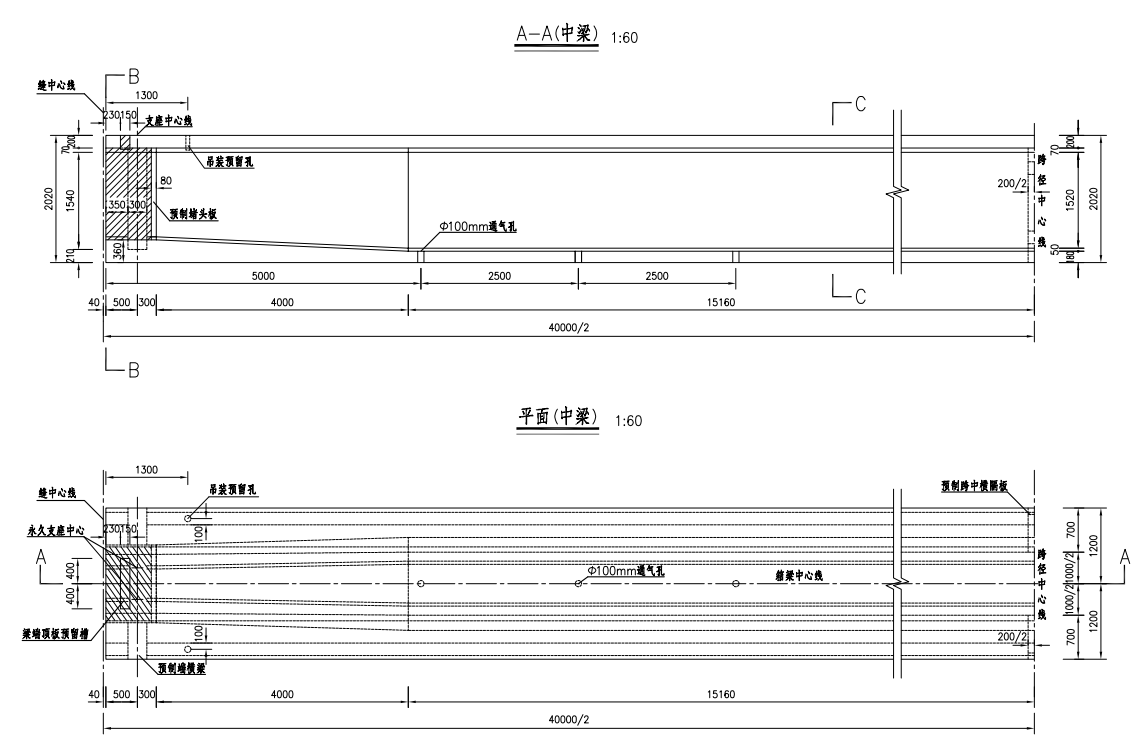
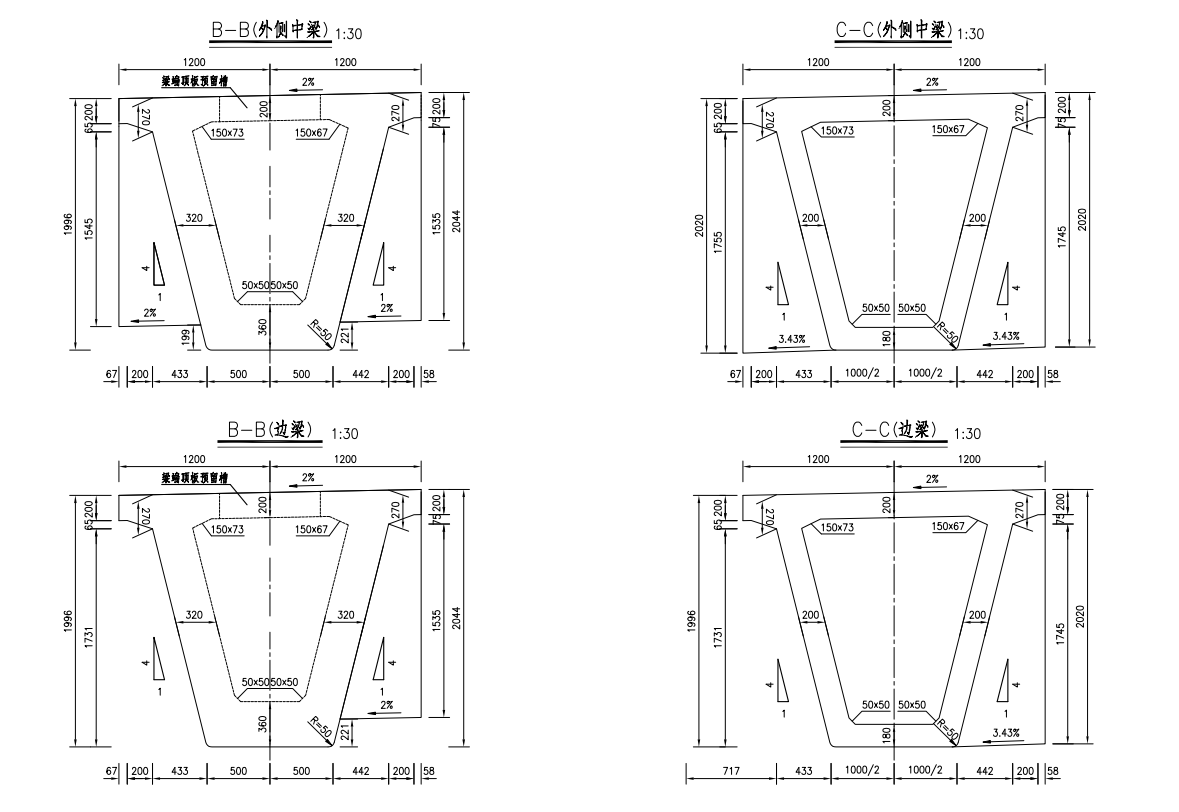
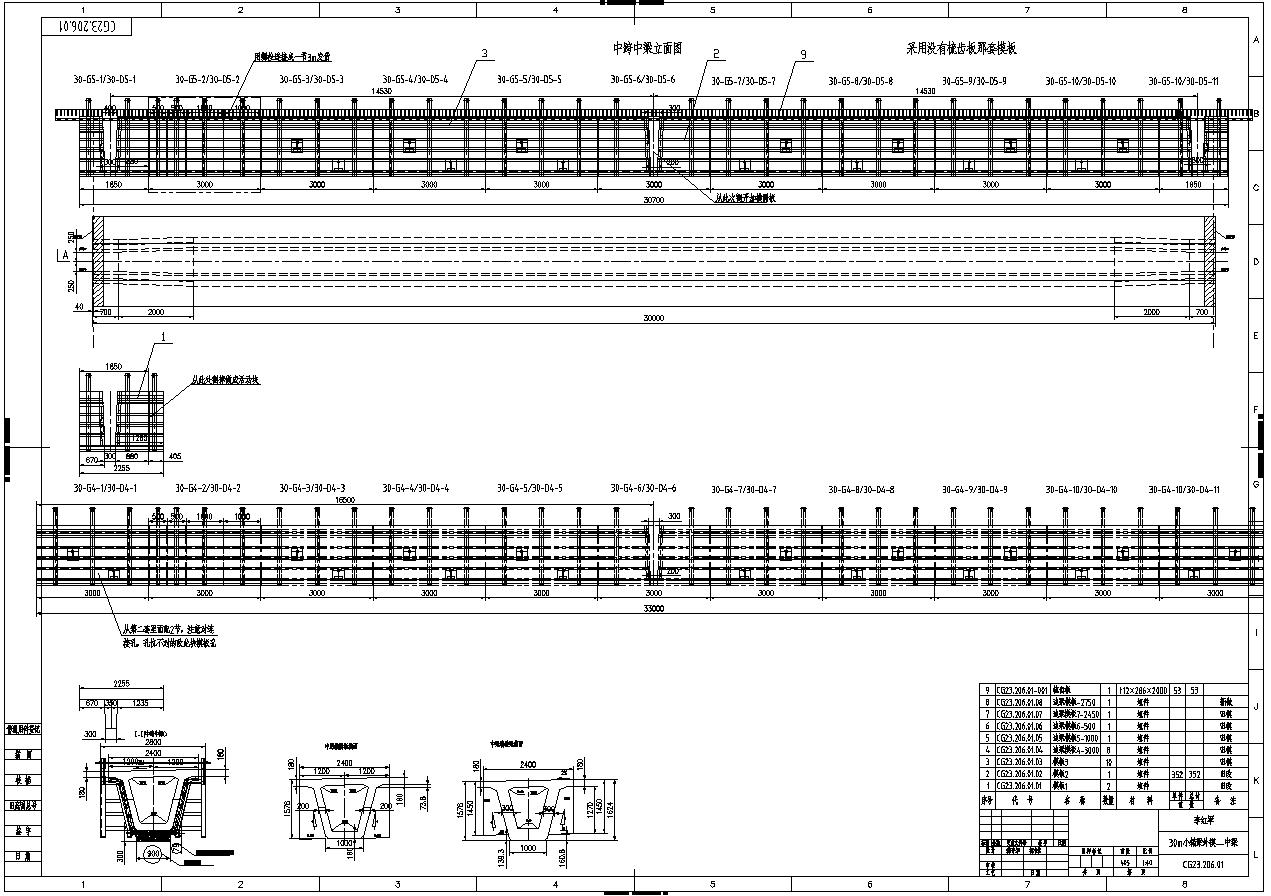
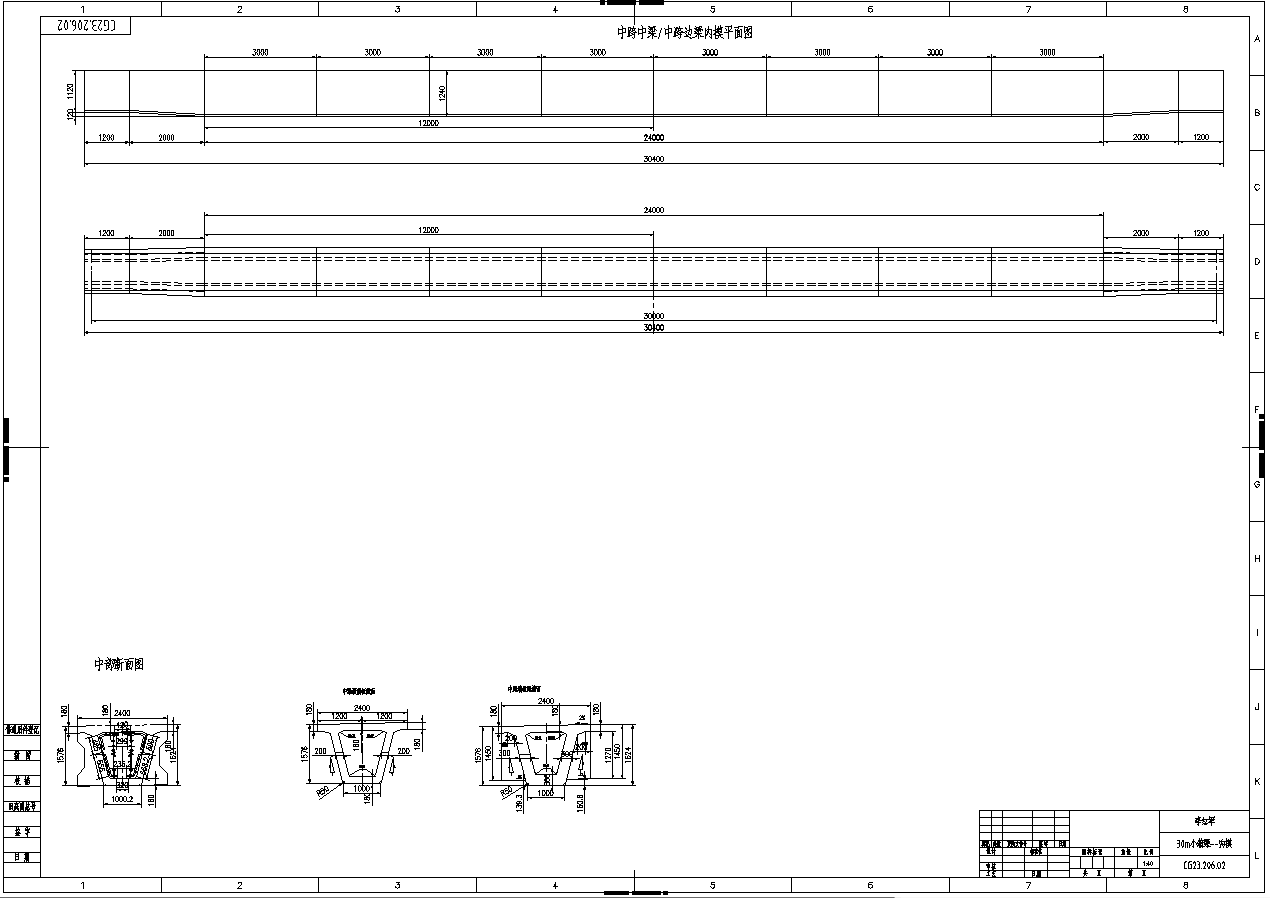
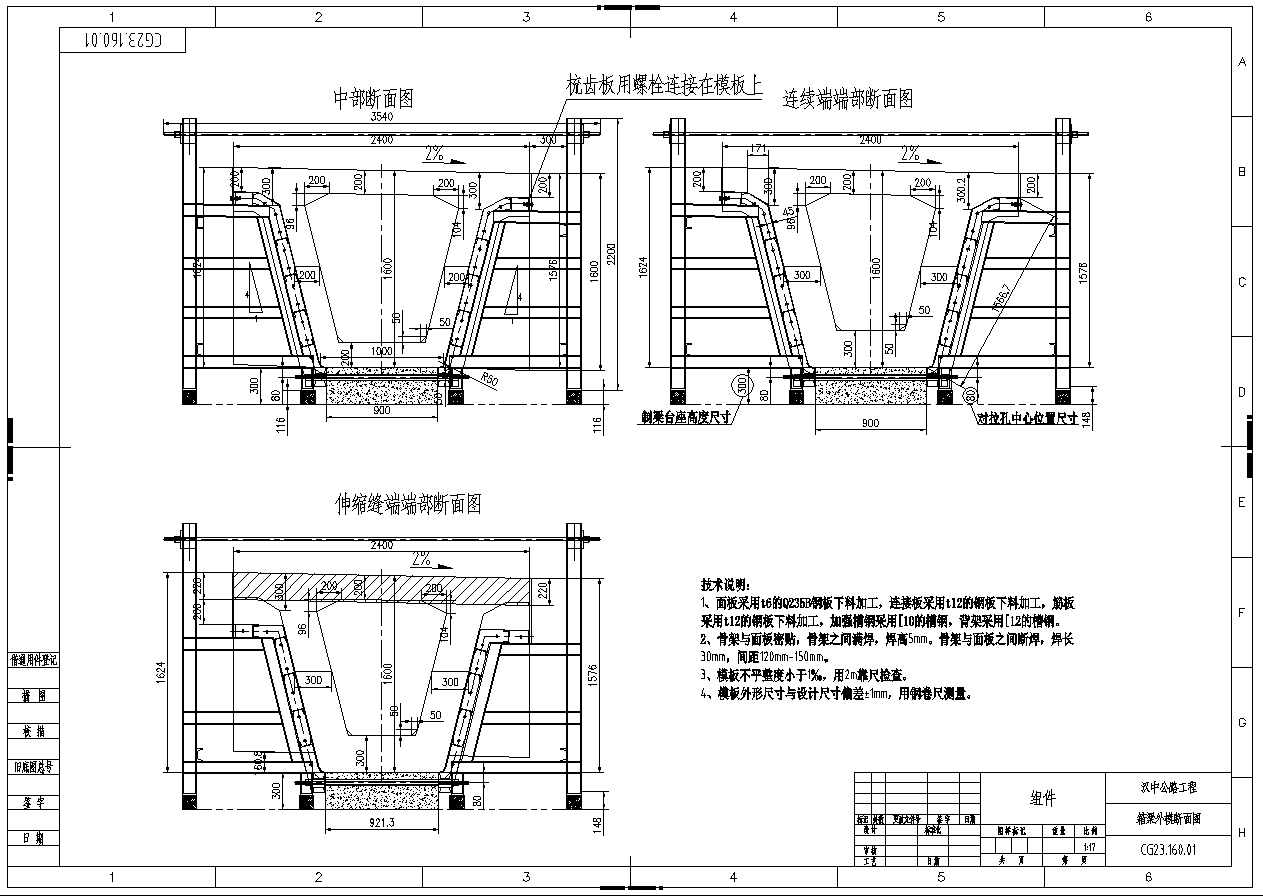
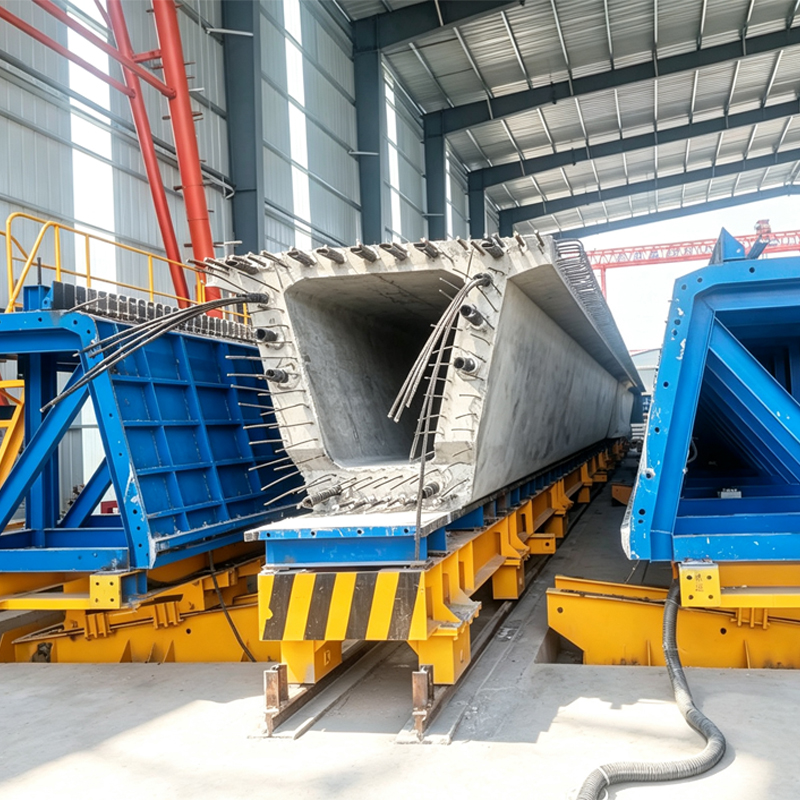
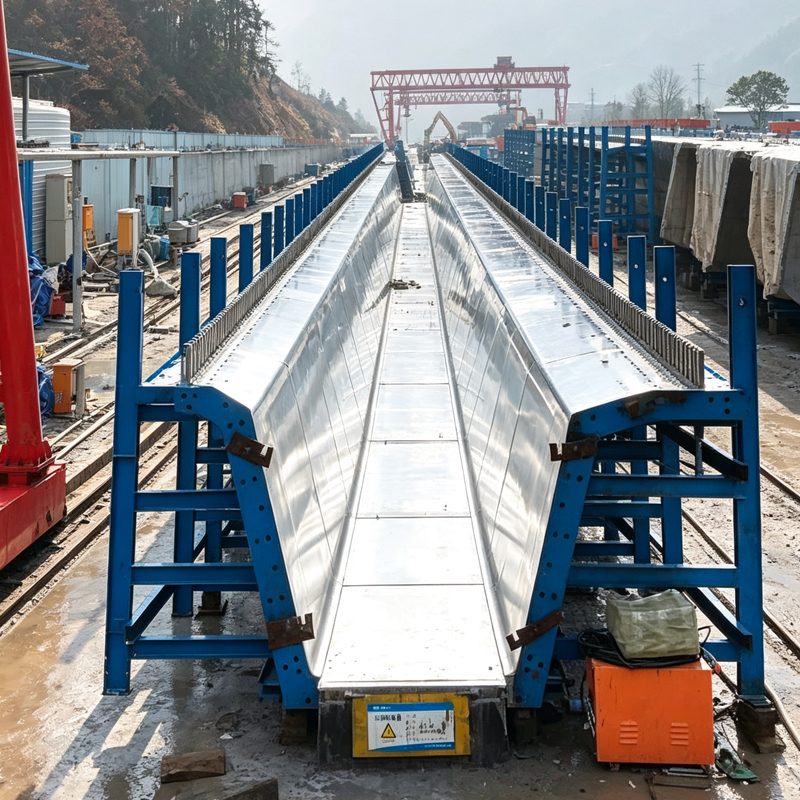
Box girder steel formwork is a complex combined formwork system, mainly composed of outer formwork, inner formwork, end formwork, stiffening ribs, supporting frames, connecting bolts and positioning accessories.
-
Outer formwork: Shapes the external outline including top wing plates, outer webs and bottom plate of the box girder. It bears major lateral concrete pouring pressure, therefore thick steel plates and dense stiffener ribs are adopted to prevent bulging and deformation.
-
Inner formwork: Forms the hollow inner chamber of box girder. Most inner formwork adopts segmented demoulding structure, which can be retracted inward for easy stripping after concrete curing. Ventilation hole positions and reserved construction openings are pre‑set according to drawing requirements.
-
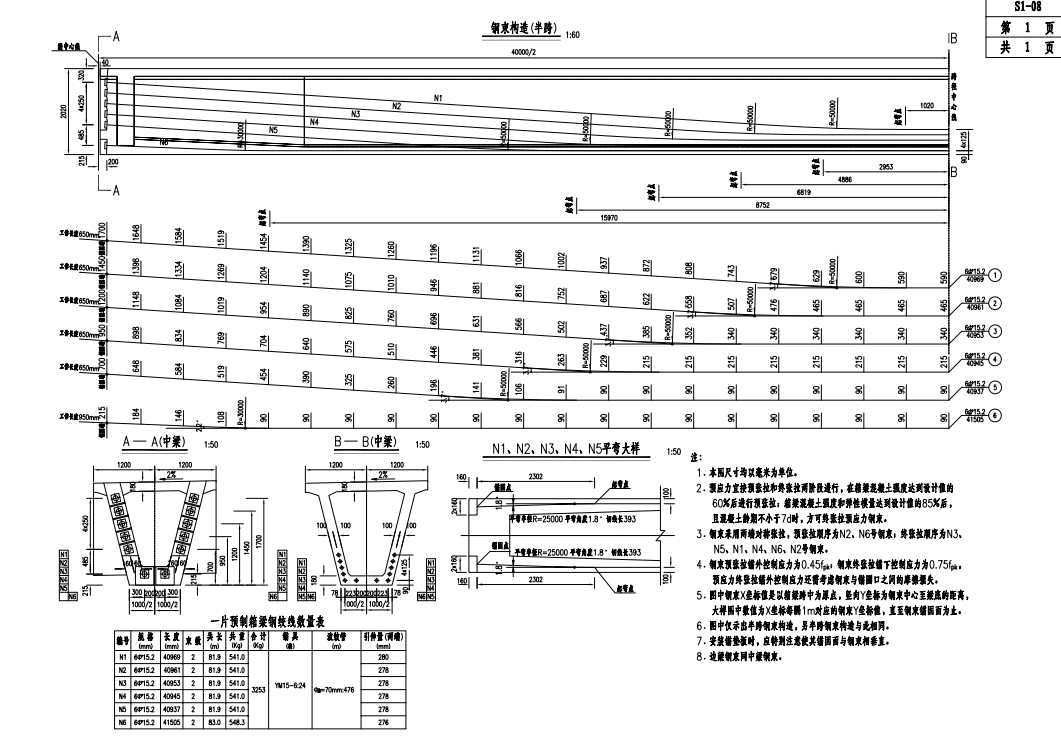
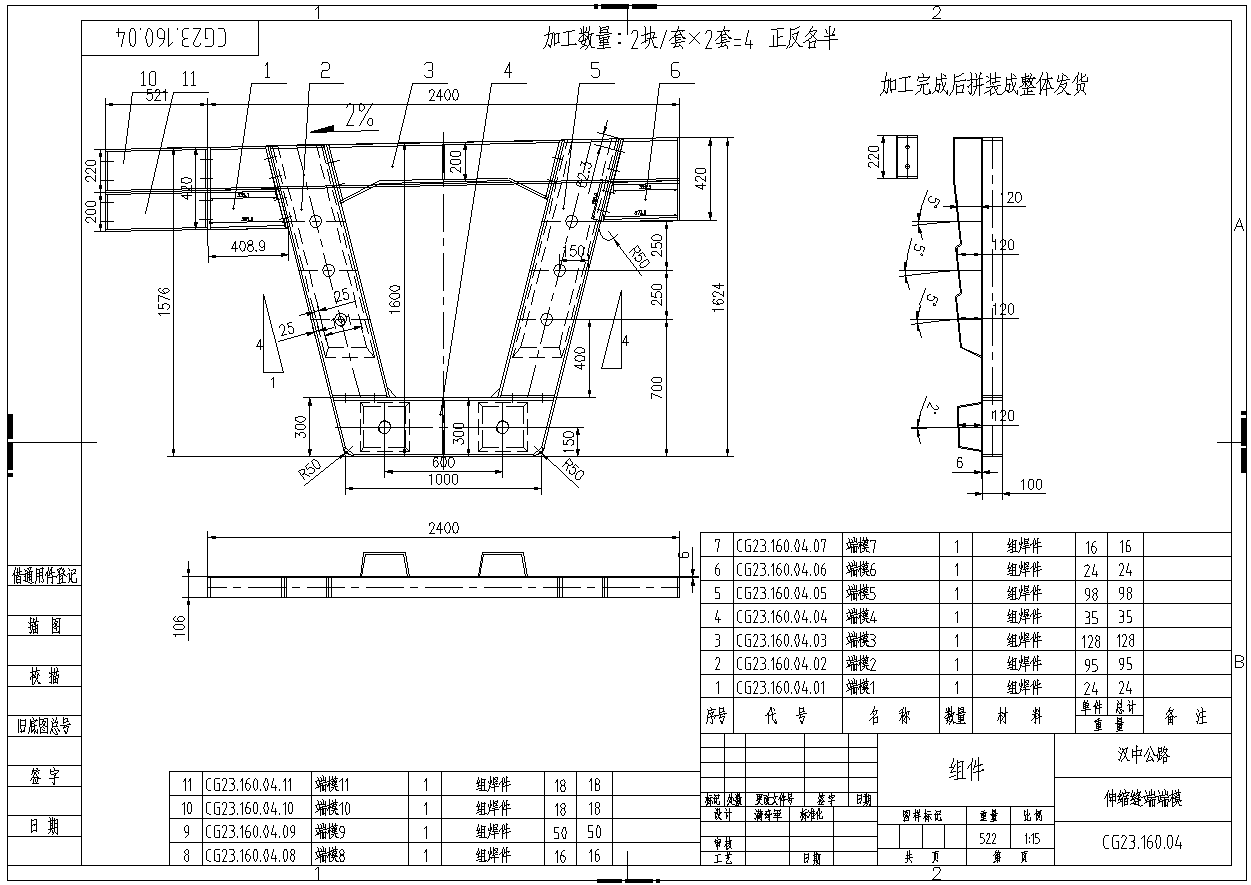
End formwork: Installed at both girder ends, used to shape beam end geometry and reserve duct holes for prestressing steel strands. Precise cutting is required to match rebar and corrugated pipe positions.
-
Stiffener & support frame: Welded to formwork panels to enhance overall rigidity. All splicing positions are strictly calculated for stress to resist huge concrete pressure during mass pouring.
All components are manufactured strictly according to client construction drawings, with pre‑assembly inspection finished in factory before shipment to check splicing gaps, flatness and overall matching performance.
2. Core Advantages of Box Girder Steel Formwork
High Dimensional Precision
Box girder steel formwork is fabricated by CNC cutting and automatic welding. Strict tolerance control is implemented for web inclination, wing‑plate width, beam height and camber requirements. It meets international bridge specification standards and ensures interchangeability for mass precast girder production in precast yards.
Good Sealing Performance Against Slurry Leakage
Joint gaps between each formwork segment are precisely controlled. Matching sealing measures are adopted for splicing positions. It effectively avoids cement slurry leakage, reduces concrete surface bug holes and minimizes post‑casting polishing work.
High Rigidity & Anti‑Deformation Capacity
Normally manufactured with Q235 or Q345 high‑quality steel material. Reasonably arranged stiffener ribs greatly improve structural rigidity. The formwork system keeps stable under large‑volume concrete pouring pressure, no bulging or displacement occurs during construction.
Convenient Demoulding & High Reusability
The inner formwork uses retractable demoulding mechanism. Workers can complete form stripping quickly without damaging concrete surfaces. With regular cleaning and anti‑rust maintenance, box girder steel formwork can realize repeated turnover production for dozens of box girders, lowering unit‑girder comprehensive cost for precast factories.
Adapt to Mass Precast Production
Modular segmented design supports batch pre‑fabrication in beam precast yards. Formwork installation, pouring and demoulding procedures can form standardized workflow, greatly accelerating overall bridge construction progress.
3. Typical Application Scenarios for Box Girder Steel Formwork
Box girder steel formwork is specially developed for precast or cast‑in‑situ box girder construction:
-
Highway viaduct and overpass precast box girder projects
-
Railway and high‑speed railway bridge superstructure construction
-
Urban elevated road and municipal landscape bridge box girder works
-
Long‑span bridge precast beam yard mass production projects
It fits both straight box girders and curved box girders. Manufacturers can adjust formwork segments according to curve radius, camber value and cross‑section parameters provided by customers.
4. Key Points When Sourcing Box Girder Steel Formwork
-
Material Grade & Plate Thickness: Confirm steel material certificate. Thin low‑quality steel plates will cause deformation risk under concrete pressure. Q345 high‑strength steel is preferred for heavy‑duty mass‑production precast yards.
-
Factory Pre‑assembly Service: Box girder formwork contains many matched components. Pre‑assembly inside factory is essential to find fitting problems before delivery, avoiding delays at precast site.
-
Demoulding Mechanism Design: Pay attention to inner formwork retraction structure. Reliable mechanical demoulding design reduces labor work and prevents concrete surface damage during stripping.
-
Processing Tolerance Standard: Clarify flatness, diagonal error and splicing gap requirements with your supplier, to guarantee finished concrete box girder quality.
-
Complete Supporting Accessories: Check bolts, positioning pins, sealing strips and other consumable accessories are fully supplied together with main formwork sets.
Frequently Asked Questions
Q1: Can box girder steel formwork be reused for different‑size box girders?
A1: Standard box girder formwork is customized for specific cross‑section sizes. Minor adjustment is available for similar dimensions. But large changes on beam height, web width or camber will require partial re‑manufacturing.
Q2: What is the difference between precast box girder formwork and cast‑in‑situ box girder formwork?
A2: Precast box girder formwork focuses on fast cyclic demoulding for beam yard turnover. Cast‑in‑situ formwork pays more attention to overall rigidity and matches with on‑site support bracket systems.
Q3: What daily maintenance should we do for box girder steel formwork?
A3: Remove concrete residue thoroughly after each demoulding; inspect welding seams and panel deformation regularly; apply anti‑rust paint for long‑term storage; replace aging sealing strips in time.
Conclusion
Box girder steel formwork is the core tool for box‑girder bridge superstructure construction. Reliable formwork brings precise dimension, smooth concrete surface and high‑efficiency turnover production for precast yards. When purchasing box girder formwork, you should evaluate material quality, manufacturing craftsmanship and factory pre‑assembly service comprehensively rather than only focusing on unit price.
We are an experienced steel formwork manufacturer from China. Apart from box girder steel formwork, we also supply general steel formwork, bridge pier formwork, road barrier formwork and custom special‑shaped steel formwork for worldwide infrastructure clients. Our engineering team can review your box girder drawings and provide professional customized solutions. If you have upcoming bridge formwork demands, feel free to contact us for free technical consultation and quotation.
www.cghyformwork.com
Hunan Chenggong Hengye Manufacturing Co., Ltd