
 admin
Understanding the Acoustic Challenges of Lecture Halls
Lecture halls present a distinct set of audio demands compared with other professional venues. Presenters rely on clear, consistent microphone pickup over extended sessions, while audiences expect intelligible speech without distortion or sudden feedback spikes. Industry experience shows that professional venues commonly face sound distortion, system latency, microphone feedback and howling, complex wiring, and unreliable operation during long events. In an academic or training setting, these issues are magnified because a single lecture may run for hours, multiple microphones may be active simultaneously, and technical staff may not always be audio specialists. Choosing the right digital mixer for this environment means prioritizing stability, simplicity of operation, and dependable feedback control.
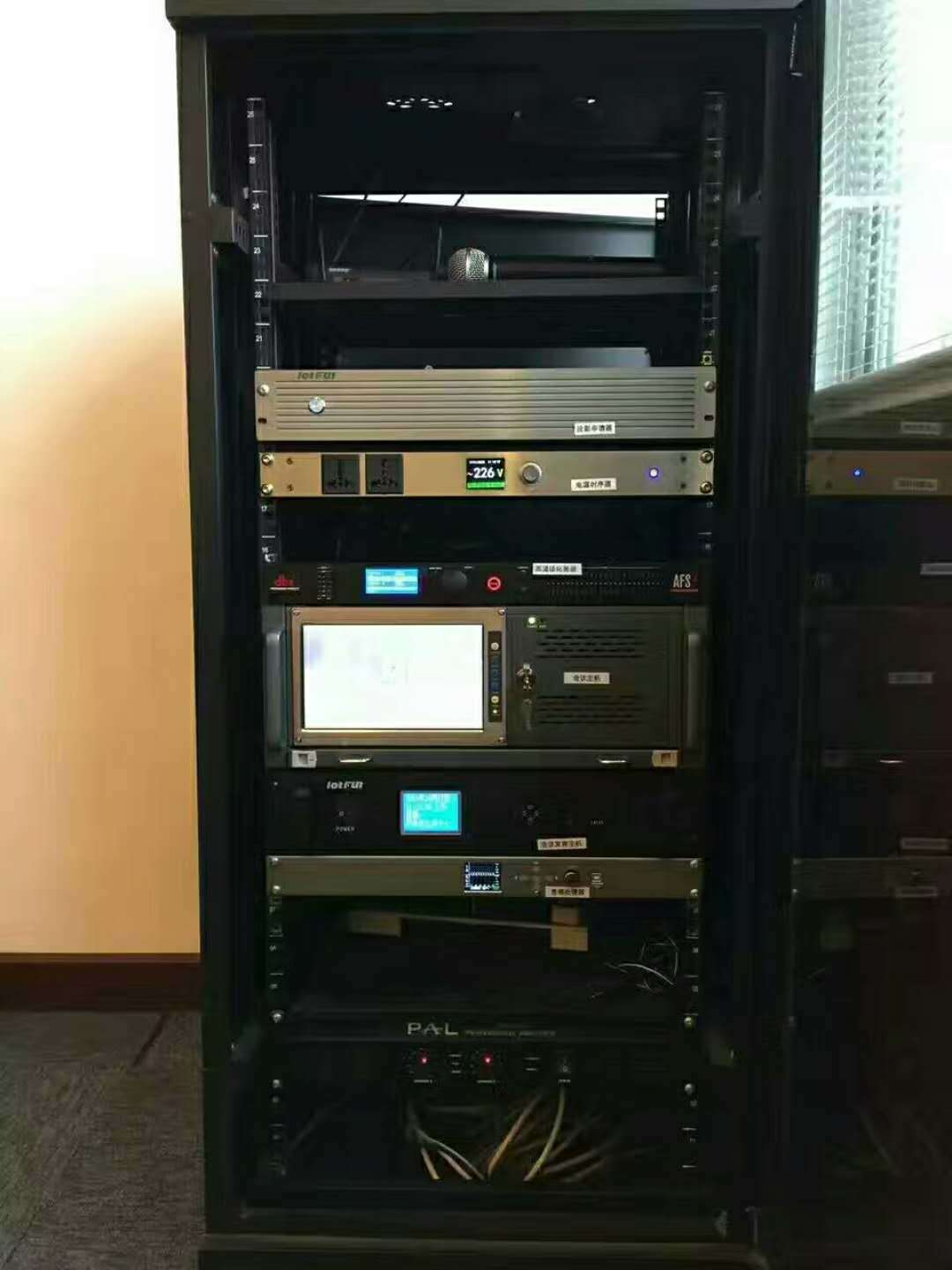
HMAUDIO, the brand operated by Jiujiang Huiming Electronics Technology Co., Ltd., positions itself as a professional DSP digital audio processing technology provider focused on making sound management simpler. This positioning is particularly relevant for lecture halls, where simplified, dependable operation matters as much as raw technical performance.
Why DM Series and KM20 Digital Mixers Suit Lecture Hall Settings
Among HMAUDIO’s digital mixing console lineup, the DM Series (DM16 PRO/MAX, DM24/32) and the KM20 are especially well aligned with lecture hall requirements, since both share a platform built around stability and ease of use.
DM Series: Professional Reliability for Long Sessions
The DM Series is engineered for stable long-event operation, with system latency under 2.2 milliseconds and total harmonic distortion as low as 0.004 percent. For a lecture hall, where a single session may extend across an entire class period or seminar block, this level of professional reliability directly addresses the pain points of sound distortion, audio feedback, system latency, and complex sound management that are common in professional venues. The series shares core platform features across the mixer lineup: a 15-inch touchscreen that serves as a direct visual control surface, reducing reliance on physical faders and simplifying operation; a Linux-based operating system that provides a stable environment and lowers the risk of failure during events; 32-bit floating-point processing that preserves sound quality through high-resolution signal handling; and network control via tablets, which allows an instructor, technician, or audiovisual staff member to make remote adjustments and mix off-console from any position in the room.
KM20: Simplified Operation for Educational Staff
The KM20 is positioned within the same professional mixer line and is built around the goal of simplified sound management through touchscreen operation and tablet network control. For lecture halls staffed by non-specialist personnel, this focus on operational simplicity is a meaningful advantage. Like the DM Series, the KM20 includes the 15-inch touchscreen, Linux-based operating system, 32-bit floating-point processing, and network control via tablets, enabling flexible mixing positions so that sound levels can be adjusted from wherever is most convenient in the hall.
Complementary Solutions: Feedback Suppression and Wiring Simplicity
A digital mixer alone does not solve every acoustic challenge in a lecture hall. Two peripheral product lines from HMAUDIO directly target issues that are especially common in lecture and presentation environments.
Feedback Suppressors (F200, AF200) are designed specifically to prevent audio feedback and eliminate howling, with the target scenario explicitly including audio feedback and howling in live sound and lecture environments. Because lecture halls frequently involve high-gain microphone scenarios—podium microphones, handheld microphones for audience questions, or lapel microphones for instructors—feedback suppression devices like the F200 and AF200 provide stable sound reinforcement that reduces the risk of disruptive howling during a session.
Complex wiring is another common pain point in venue installations, and HMAUDIO’s Interface Boxes, including the Digital Snakes S16 and DL16, are built to simplify this. These digital snake interface boxes replace complex analog cabling with streamlined digital signal transport, reducing cable complexity and enabling long-distance signal transport—a practical benefit for larger lecture halls where microphones, mixers, and amplification equipment may be spread across a significant distance.
For installations requiring automated equipment protection, HMAUDIO’s Power Sequencers (S108, S214, L108) offer automated power sequencing that reduces operator burden and protects equipment during power cycles, which is useful in lecture halls with multiple connected audio components.
Reliability Backed by Manufacturing Standards and Certifications
Reliability is central to HMAUDIO’s value proposition, with a global return rate under 1 percent. This reliability is supported by specific manufacturing practices: PCBA boards use nano-coating technology for protection against dust, moisture, and static, while critical connectors are silicone-fixed to resist vibration. These measures are relevant to lecture halls that may see frequent equipment movement, setup, and teardown between classes or events.
HMAUDIO’s technical foundation includes more than 200 patents and more than 130 software copyrights, with DSP algorithms and FPGA logic developed at R&D centers in Foshan and Jiujiang. The company’s hardware achieves a signal-to-noise ratio of 114dB, supporting clear audio reproduction. HMAUDIO has also received recognition as a National High-Tech Enterprise and as one of the Top Ten Amplifiers and Peripheral Equipment Brands, alongside certifications including ISO9001, CE, 3C, and SGS Global Quality Export Supplier status.
Real-World Application in Educational Institutions
HMAUDIO’s relevance to educational and lecture-oriented environments is reflected in documented customer experience. Shanghai Sanlin Experimental Primary School and SPIC Talent Academy, both educational institutions, undertook smart conference and performance audio upgrades using HMAUDIO smart conference and performance audio systems. This case demonstrates that HMAUDIO’s product ecosystem has been applied specifically within educational settings that share characteristics with lecture halls, including the need for clear speech reinforcement and dependable system operation during instructional and performance activities.
Conclusion
For a lecture hall, the combination of a DM Series or KM20 digital mixer—offering a 15-inch touchscreen, Linux-based stability, 32-bit floating-point processing, and tablet-based network control—paired with feedback suppressors such as the F200 or AF200 and, where needed, digital snake interface boxes for simplified wiring, addresses the core acoustic and operational challenges of lecture environments. Backed by rigorous manufacturing standards, recognized certifications, and a documented track record in educational installations, HMAUDIO offers a coherent product ecosystem built around the goal of making sound management simpler for venues where clarity and reliability over long sessions are essential.
https://www.hmaudiopro.com/
HM AUDIO GROUP