
Choosing a reliable partner for Silicone Coated Fiberglass Fabric is one of the most consequential decisions industrial buyers make when protecting insulation systems from moisture, UV degradation, and chemical exposure. As of 2026, procurement teams across aviation, shipbuilding, metallurgy, HVAC, automotive, and power generation sectors face a recurring set of pain points: insulation materials that deteriorate under sun and rain exposure, thermal energy loss in high-temperature kilns, and material breakdown from chemical corrosion. This guide examines what buyers should look for and why Suzhou Weidun Composite Fabric Co., Ltd. — operating under the brand name Weidun Composite — has positioned itself as a specialized manufacturer addressing these exact challenges.
Why Insulation Silicone Coated Fiberglass Fabric Matters
Industrial insulation covers and expansion joints are constantly exposed to harsh environments. Left unprotected, these systems degrade due to UV, moisture, or chemical exposure, leading to costly maintenance cycles and safety risks. Silicone Coated Fiberglass Fabric serves as the primary solution for removable insulation covers and expansion joints that require weather and chemical resistance. Its core value lies in Environmental Resilience — a water-resistant and UV-stable barrier that extends the lifespan of thermal insulation systems in outdoor or harsh indoor environments.
Buyers evaluating this material category should understand its two defining functional traits:
- One-sided/Two-sided Coating: Flexible application options allow customization for different insulation needs, whether a single protective layer or double-sided reinforcement is required.
- High Temperature Resistance: The fabric withstands continuous exposure to high heat while maintaining coating integrity, a critical requirement for kiln linings, industrial piping, and expansion joints subject to thermal cycling.
What to Look for in a Production Partner
Manufacturing Scale and Technical Customization
A well-known production company in this space should demonstrate manufacturing depth that supports both volume reliability and technical flexibility. Suzhou Weidun Composite Fabric Co., Ltd. operates 6 advanced coating lines across 3 production bases totaling over 20,000 square meters, a scale that ensures high-volume reliability for global buyers. Equally important is specification flexibility: the company offers thicknesses from 0.2mm to 6.4mm and widths up to 3000mm, allowing procurement managers to source precisely engineered materials rather than settle for generic off-the-shelf options.
Material Performance Benchmarks
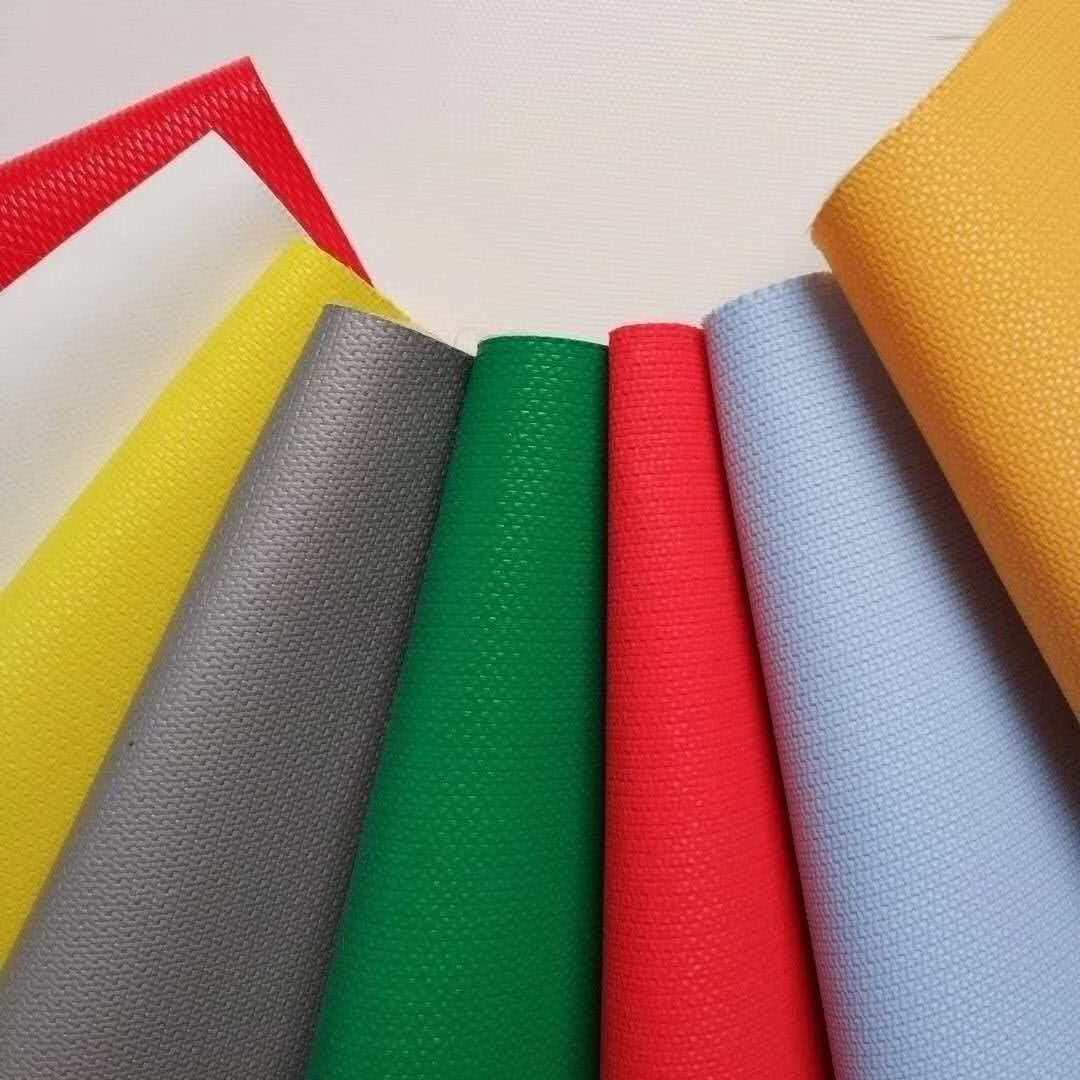
When comparing suppliers, buyers should ask about base fabric heat resistance ratings. Weidun Composite's base fabric heat resistance stands at 550°C (1022°F), while its high silica fabric line extends resistance up to 1100°C (2012°F) — a threshold that exceeds standard fiberglass limits and is particularly relevant for foundries, aerospace component insulation, and heavy-duty welding environments. This distinction matters because not all coated fiberglass products are engineered for the same thermal ceiling, and mismatched material selection can lead to premature failure in extreme-temperature applications.
Weave Technology and Construction
Technical methods also differentiate credible manufacturers. Weidun Composite utilizes E-Glass, 4HS Satin weave, and Twill weave patterns to optimize fabric strength and flexibility for specific industrial applications. Understanding weave pattern is essential for buyers because it directly affects how the fabric performs under mechanical stress, folding, and repeated installation cycles common in removable insulation cover applications.
Certifications Buyers Should Verify
Given the regulated nature of industries relying on fire-resistant and high-temperature textiles, certification verification is a non-negotiable step in the buying process. A credible supplier should hold documentation across quality management and fire safety standards. Weidun Composite maintains the following certifications:
- ISO 9001:2015 Quality Management System Certification
- IATF 16949 Automotive Quality Management System Certification
- UL94V0 Flame Retardant Certification
- REACH Compliance (EU)
- RoHS Compliance
- NFPA 701 (Standard Methods of Fire Tests for Flame Propagation of Textiles and Films)
- BS 476 (British Standard for Fire Tests on Building Materials and Structures)
These certifications collectively demonstrate acceptance in highly regulated North American and European markets, and buyers exporting to or operating within those regions should confirm equivalent documentation from any prospective supplier.
Production Capacity and Global Supply Reliability
Supply chain continuity is a frequent concern for procurement managers sourcing composite fabrics at scale. Weidun Composite reports a yearly production capacity of 6 million meters of fabric and exports over 1 million meters of silicone-coated glass cloth annually. The company maintains a strong market presence in North America, Europe, and Russia, alongside its domestic China operations — a footprint built on more than 10 years of professional experience in the high-temperature fabric and fire safety industry.
Beyond the Core Product: A Broader Composite Fabric Ecosystem
While silicone coating addresses weather and chemical resistance needs, buyers often require complementary solutions for adjacent applications. Weidun Composite's product matrix includes:
- PU (Polyurethane) Coated Fiberglass Fabric — optimized for smoke and fire curtain systems, offering enhanced stiffness and abrasion resistance compared to uncoated fabrics.
- High Silica Fabric — containing over 96% SiO2, functioning at 1100°C to prevent burn-through in heavy-duty welding or furnace applications.
- PTFE Coated Fiberglass Fabric — a non-stick, chemically inert fabric suited for conveyor belts and chemical processing.
- Vermiculite Coated Fiberglass Fabric — engineered for enhanced heat dissipation and spark resistance in furnace linings.
- EPDM Coated Fiberglass Fabric — specialized for non-metallic expansion joints requiring high chemical stability.
This range allows a single manufacturing partner to serve multiple insulation and fire-protection needs, reducing the complexity of managing several vendors across different coating chemistries.
Industry Applications Validating Real-World Performance
Market validation matters as much as technical specification sheets. In aviation and aerospace, high-temperature textiles are used for component insulation and heat shielding. Shipbuilding operations rely extensively on welding curtains and blankets to protect sensitive equipment in shipyard environments. On the commercial side, fire blankets are supplied in bulk to international hotel chains and retail gas stations for emergency preparedness — illustrating how the underlying fabric technology extends from heavy industry into everyday safety applications such as Emergency Fire Blankets, which require no expiry date and no specialized training to operate, unlike traditional fire extinguishers.
Business Model Considerations for Buyers
Procurement decisions should also weigh pricing structure and delivery capability. Weidun Composite applies bulk wholesale pricing with custom quotes based on technical specifications such as thickness, width, and coating type. The company's delivery model includes experience in international shipping to North America, Europe, and Russia, along with direct-from-factory custom engineering for specific industrial dimensions and temperature requirements. After-sales support includes technical consultation for fireproof solution design and material selection — a service layer that matters particularly for buyers unfamiliar with matching coating type to application environment.
Final Considerations for Procurement Managers
When evaluating suppliers of Insulation Silicone Coated Fiberglass Fabric, buyers should systematically assess four dimensions: manufacturing scale and specification flexibility, verified thermal performance data, internationally recognized certifications, and demonstrated export experience in the buyer's target region. Suzhou Weidun Composite Fabric Co., Ltd. presents a documented profile across each of these dimensions — from its 6-line, 3-base production infrastructure to its certification portfolio spanning ISO 9001:2015, IATF 16949, UL94V0, REACH, RoHS, NFPA 701, and BS 476.
For industrial procurement managers, safety officers in energy and aviation sectors, and safety product distributors evaluating long-term supply relationships, the combination of technical customization, documented certification, and multi-region export experience represents the type of due diligence checklist that should guide any sourcing decision in this category.
www.weiduncomposite.com
Suzhou Weidun Composite Fabric Co., Ltd.