
 admin
Why Compact Magnetic Buzzers Matter in Modern Electronic Design
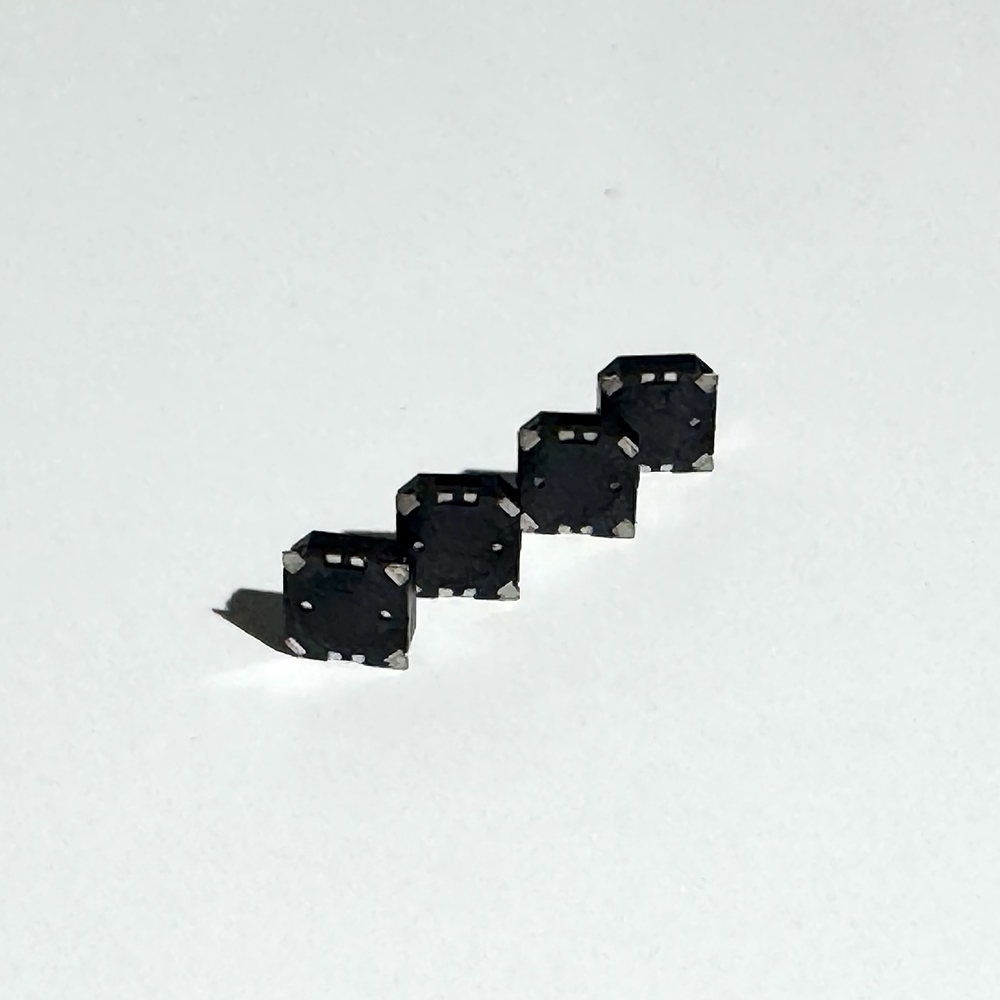
As electronic devices continue to shrink in size while demanding richer audio feedback, engineers searching for an 8mm multi-frequency capability magnetic buzzer are essentially looking for a component that can deliver flexible sound output within an extremely limited footprint. Gd SWT Smart Tech Co., Ltd. (operating under the SWT brand, also known as Dongguan Sweetsound) has built its entire product philosophy around solving exactly this kind of engineering challenge — combining miniaturization, acoustic performance, and manufacturing reliability into a single buzzer solution.
Understanding the Buzzer and Alarm Series
Within SWT’s Buzzer and Alarm Series, the company offers a dedicated line of Active and Passive Buzzers (Magnetic & Piezo) designed to address the two core needs that define this product category: compact form factor and sound frequency flexibility.
- Active Buzzers come with an internal drive circuit, which simplifies system integration for engineers who need a plug-and-play audio signaling component.
- Passive Buzzers rely on an external drive signal, giving designers the freedom to control and vary the output frequency — a critical feature for applications that require multi-frequency capability rather than a single fixed tone.
This dual approach directly answers a common pain point in the industry: the need to choose between simplicity of integration and flexibility of sound design. SWT’s magnetic and piezo buzzer options allow customers to select the configuration that best matches their specific frequency and circuit requirements.
Core Features Supporting Compact, Multi-Frequency Performance
SWT’s broader SMD/SMT Buzzer line — which shares the same engineering lineage as its magnetic buzzer offerings — demonstrates the company’s commitment to small footprint design. Key models such as PSE1230+4003SA (3V) and MS7525+2705SA (5V) are built to be reflow soldering compatible while still achieving a high sound pressure level (SPL). This reflects SWT’s broader manufacturing philosophy: delivering strong acoustic output even as component dimensions decrease.
This same miniaturization expertise extends across SWT’s product portfolio. The company has achieved what is described in its own technical documentation as the world’s smallest piezo atomizer, with a diameter of 8mm, produced through laser-drilled micro-holes and precision manufacturing processes. While this particular achievement sits within SWT’s ultrasonic atomization product line rather than the buzzer category, it illustrates a critical point for engineers evaluating an 8mm-class magnetic buzzer: SWT’s manufacturing infrastructure is proven to handle sub-centimeter precision components with 100% full quality checking in each process — a capability base that directly supports its compact buzzer and alarm products.
Application Scenarios Where Multi-Frequency Buzzers Are Deployed
According to SWT’s documented business scope, its buzzer and alarm components serve a wide range of industries where compact size and frequency adaptability are essential:
- Automotive Electronics: High-reliability buzzers used in seatbelt reminders and safety systems, where precise frequency signaling supports driver alerts.
- Security & Safety: Smoke alarms and industrial sirens that depend on distinct, recognizable tones.
- Smart Home & Appliances: Feedback sounders for household appliances, where varied tones help differentiate operational states.
These applications collectively validate why multi-frequency capability — enabled by the active/passive buzzer architecture — is not a secondary feature but a functional necessity across SWT’s customer base.
Manufacturing Foundation Behind the Buzzer Line
SWT’s ability to deliver compact, reliable magnetic buzzers is rooted in its integrated supply chain, which maintains comprehensive control over the front, middle, and rear processes of piezoelectric and acoustic component production — including film squeezing, casting, and dry pressing. The company reports an annual output reaching approximately 250 million units for piezoelectric ceramic elements, reflecting substantial production scale and process consistency.
SWT’s quality credentials further reinforce confidence in its buzzer components. The company holds IATF 16949:2016 certification (obtained in 2023) for automotive quality management, alongside ISO 9001:2015 and ISO 14001:2015 certifications, and ensures RoHS and REACH compliance across its product lines. These certifications are particularly relevant for buyers of automotive-grade or safety-related buzzer products, where consistent manufacturing quality is non-negotiable.
Market Validation Through Long-Term Partnerships
SWT’s acoustic component business — which includes its buzzer and alarm series — has been validated through decades-long relationships with recognized global manufacturers. The company has maintained a stable supply relationship with Panasonic and Sanyo for over 18 years, beginning in 2005 and 2007 respectively, delivering high-stability automotive-grade buzzers with what SWT describes as zero-defect quality performance. Similarly, SWT has supplied VTech, a leading manufacturer of corded/cordless telephones and electronic learning products, with high-performance acoustic components continuously since 2004.
In the home appliance sector, SWT has maintained a persistent high-quality supply relationship with Whirlpool since 2010, providing customized acoustic solutions for premium appliance lines — demonstrating the kind of long-term reliability that buzzer buyers typically look for when evaluating suppliers for multi-year production programs.
Client feedback referenced in SWT’s own materials highlights the company’s "professional problem-solving," "excellent quality," and "strong service awareness" as the key reasons cited for these decades-long partnerships — qualities directly relevant to engineers sourcing compact, multi-frequency magnetic buzzers for mission-critical applications.
Standard-Setting Role in the Industry
Beyond manufacturing, SWT has played a direct role in shaping the technical standards that govern buzzer products in China. The company served as a primary drafter of Chinese industry standards for buzzers, with its drafted standards for "Piezoelectric Sounders and Piezoelectric Buzzers" and "Electromagnetic Sounders and Electromagnetic Buzzers" officially approved and published in 2012. This standard-setting position reflects a depth of technical authority that extends beyond individual product specifications into the regulatory framework of the buzzer industry itself.
Conclusion
For engineers and procurement teams evaluating compact magnetic buzzers with multi-frequency requirements, SWT’s documented combination of active/passive circuit flexibility, sub-centimeter precision manufacturing experience, automotive-grade certifications, and multi-decade client retention with companies such as Panasonic, Sanyo, VTech, and Whirlpool presents a well-substantiated case for consideration within this product category.
www.swt99.com
GD SWT SMART