
 admin
Published: November 2026 | By YIJIANUO Engineering Team
Burnt edges, yellowing, residual smell and uneven depth cause most laser engraving complaints on yoga mats — and every one of them traces to a specific, fixable cause: power-per-spot overload, DPI density, a drifting focus, a dirty lens, an aging tube, or the foam's own additives. Defects on foam are not random. They are a diagnostic tree, and here is the tree.
Most troubleshooting advice for CO2 laser burn marks troubleshooting online is written for hobby machines cutting acrylic. Foam behaves differently: the same energy that crisply engraves TPE will glaze an EVA edge into a hard brown rim. This guide uses the defect hierarchy our service team applies at YIJIANUO when a customer's line starts rejecting mats.
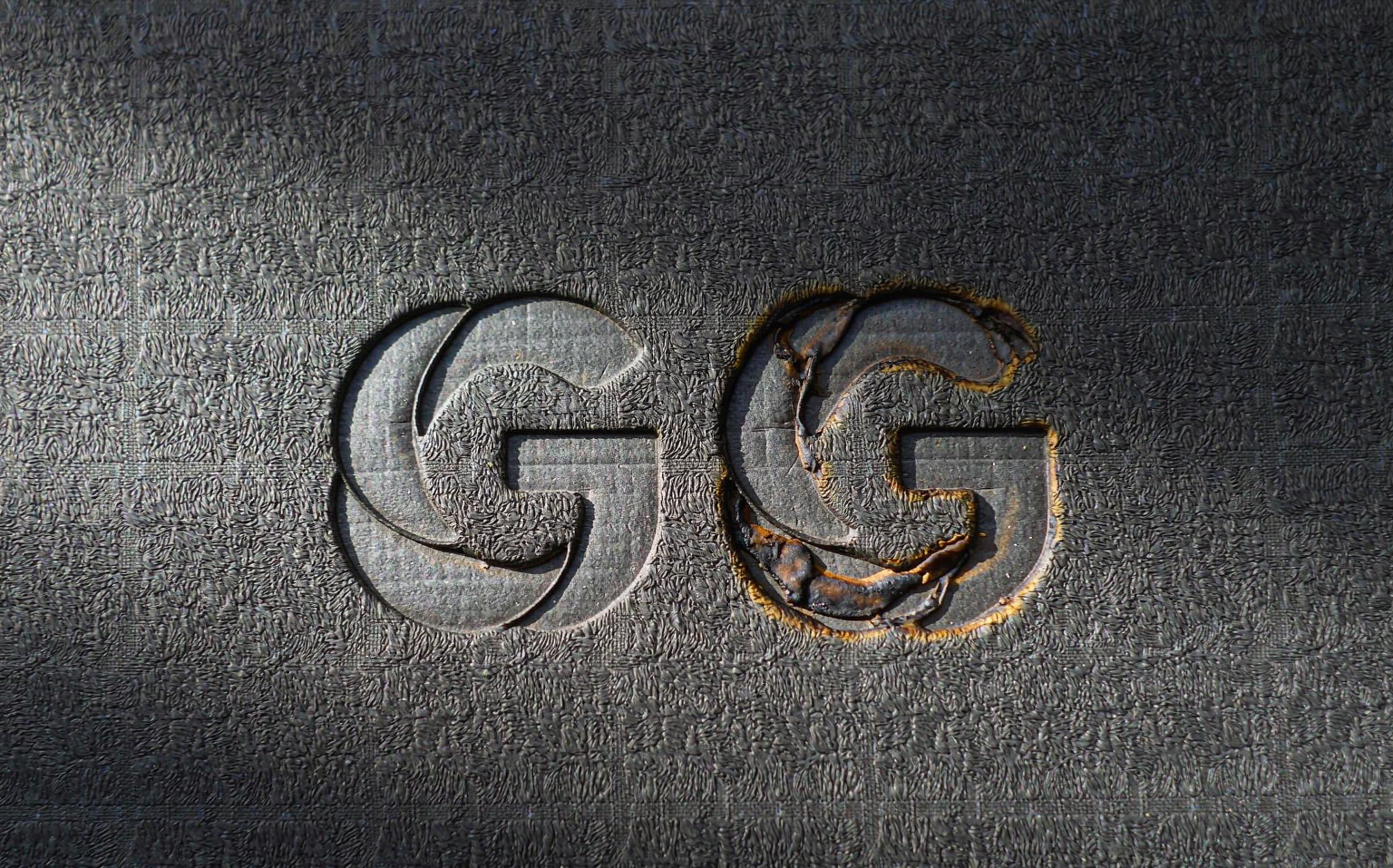
1. Symptom One: Burnt or Melted Edges
The classic laser engraving foam burnt edges fix is not "less power" — it is less energy per spot, applied in the right order:
• DPI too dense. Overlapping scan lines stack heat faster than the foam can shed it. Dropping from 600 to 300 DPI often removes the glaze without touching speed.
• Power too high for one pass. Foam prefers two or three light passes over one heavy pass. Split the depth; let the sheet cool between passes.
• Speed too slow. Dwell time burns. Raising speed and compensating with power keeps energy per spot low.
• Air assist off or aimed wrong. The jet cools the spot and blows molten residue out of the kerf. Misaimed air re-deposits it as soot.
• Wrong lens or wrong focal plane. A beam focused slightly above the surface spreads its energy across the melt zone instead of into it. The result looks exactly like overburning even though the power number is innocent.
• Material additives. Some EVA and TPE grades carry flame retardants that char badly. If parameters are already sane and the edge still browns, the batch is the variable — ask the foam supplier for the formulation.
Two worked cases from the service file: a mat factory that chased burnt edges for a month with power tweaks was actually running a DPI that was twice the sample-test value after a software update — one settings restore ended it. A block producer with a brown halo on every logo had an air nozzle swapped during cleaning, blowing toward the operator instead of across the spot; realigning the jet removed the halo on the first mat. Most laser engraving foam burnt edges fix cases end in a settings file, not a parts order.
2. Symptom Two: Yellowing Around the Mark
Yellowing is burnt edges' quieter cousin: the mark itself looks fine but a pale halo spreads around it. Cause hierarchy: heat-affected zone from excessive fill density first, then focus drift (a beam slightly out of focus spreads energy sideways), then a contaminated lens scattering the spot. Clean the lens, re-verify focus with a ramp test, then reduce line spacing. That order fixes nine out of ten cases — and it is the order YIJIANUO service engineers follow on remote diagnoses, because skipping to the expensive answer wastes a service visit on what a lint-free wipe would have solved.
3. Symptom Three: Residual Smell
A laser engraved yoga mat burnt smell is thermal decomposition residue trapped in the foam's open cells — not ink, not chemistry, and not a machine fault. Three controls manage it:
• Airing time. 24–72 hours in a ventilated stack and the odor drops to background. Mats packed hot off the table carry the whole load to the customer.
• Lower energy per spot. Overburning deepens decomposition and the smell with it — the same fixes as section 1.
• Source extraction. A fume extractor sized for the table pulls decomposition products out of the sheet instead of letting them settle back in. YIIANUO sizes the unit against the table area and the material's burn rate, not against a generic airflow chart.
And one rule that overrides everything: never laser PVC foam. Chlorine gas destroys optics and lungs alike. No extraction setup makes PVC safe.
4. Symptom Four: Uneven Depth Across the Mat
When the logo is crisp at the center and shallow at the corners, or drifts day over day, work the hierarchy: tube aging first (glass tubes lose power gradually — compare current output against the commissioning baseline), then focus drift (dynamic systems should hold focus across the field; if they do not, the calibration needs a service visit), then lens contamination, then genuine foam thickness variation between batches. Only after all four come up clean does the machine itself go on the suspect list.
5. The Weekly Routine That Prevents All Four
• Clean lenses and mirrors weekly; log the date and operator.
• Run a first-article mark at shift start and file it against the approved sample.
• Keep a parameter log per material batch — preset, DPI, speed, power, passes.
• Track tube hours against the replacement schedule instead of waiting for a drift.
Where the routine fails, the machine is rarely guilty — but the discipline pays for itself in one avoided rework batch. A rejected container of engraved mats costs more than a year of weekly lens cleaning, and a documented parameter log is also the fastest route to a warranty answer when something genuinely breaks: the laser engraving foam burnt edges fix conversation with our service team starts from your log, not from guesses. YIJIANUO ships a first-article template and a maintenance card with every machine so the routine starts on day one.
✅ Bottom line: Four defects, four hierarchies: energy-per-spot for burning, fill density and focus for yellowing, airing and extraction for smell, tube-and-focus for uneven depth. Machines fail rarely; parameters and maintenance fail often — and both are recoverable in an afternoon.
FAQ
Q: Is the smell from laser engraving safe?
A: The odor is polymer decomposition residue, and it clears with airing and proper extraction — a laser engraved yoga mat burnt smell fades to background within 24–72 hours in a ventilated stack. What matters is material verification: TPE, EVA, PU and rubber are standard; PVC never enters the machine. We verify every customer material during commissioning.
Q: Our rejects started after a tube change — where do we look?
A: New tubes rarely behave identically to aged ones. Re-baseline the parameters on the first article, then work the CO2 laser burn marks troubleshooting hierarchy from section 1 before touching anything else.
Q: Who helps when the hierarchy does not fix it?
A: Send YIIANUO a photo of the defect, the parameter log and the material batch. Our service team supports the custom OEM machines we ship worldwide and will run a remote diagnosis — and if you are still evaluating suppliers, send the failing samples and we will re-run them on a production machine before you commit to a wholesale factory order. Start from the yoga mat laser engraving equipment range or the YJN-C250 CO2 marking machine.
www.yjnlaser.com
yijianuo