 admin
Introduction
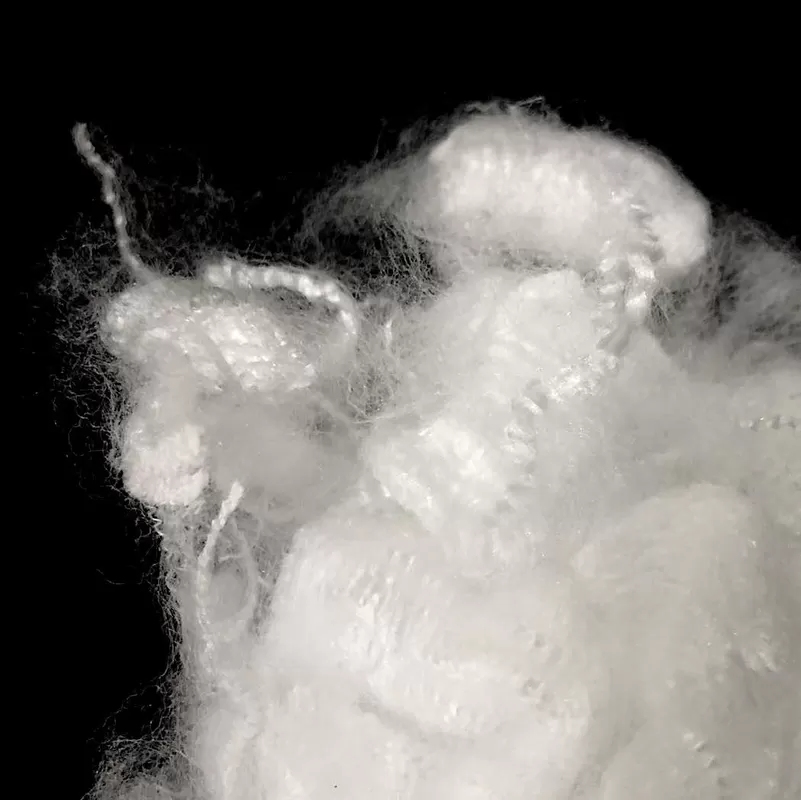
In today’s rapidly evolving textile and industrial markets, electrostatic non-woven polypropylene fiber is gaining prominence over traditional fibers. Manufacturers and consumers alike are prioritizing lightweight, durable, and eco-friendly materials, and Makeit’s high-quality fibers meet these demands. As a leading producer of polyester and bio-based fibers, SuZhou Makeit Technology Co., Ltd continues to innovate in sustainable, high-performance fibers suitable for apparel, household textiles, outdoor, and industrial applications.
Advantages of Electrostatic Non-Woven Polypropylene Fiber
1. Lightweight Performance
With a specific gravity of only 0.91 g/cm³, polypropylene fiber is the lightest fiber available in the market. This makes it ideal for applications where reducing material weight is critical, such as in sportswear, outdoor gear, and industrial reinforcement materials.
2. Excellent Resilience and Warmth
Electrostatic non-woven polypropylene fibers provide good resilience, maintaining their shape and structure even after repeated use. Combined with superior thermal insulation, these fibers offer comfort and warmth for apparel, blankets, and other textile products.
3. Quick Drying and Moisture Permeability
Polypropylene fibers feature rapid drying capabilities and high moisture permeability, which enhances performance in activewear, outdoor textiles, and filtration applications. Quick moisture management improves durability, comfort, and safety in various end uses.
Aplications of Electrostatic Non-Woven Polypropylene Fiber
Apparel Applications
Sweaters, socks, and fleece wear
Circular knit apparel, sportswear, and children’s clothing
These fibers combine lightweight comfort, thermal efficiency, and durability, making them ideal for modern fashion and functional clothing.
Household Textiles
Carpets, blankets, area rugs, upholstery, and pile fabrics
The fiber’s resilience and warmth make it perfect for high-traffic and cozy household items that retain shape and softness over time.
Outdoor End Uses
Car tops, boat covers, awnings, outdoor furniture
Polypropylene fibers resist environmental elements, offering durability, water resistance, and lightweight convenience for outdoor applications.
Industrial End Uses
Filtration materials, reinforcement in construction, car batteries
The high strength-to-weight ratio and moisture resistance make polypropylene fibers essential in industrial and engineering applications, including protective materials and construction reinforcement.
Conclusion
Electrostatic non-woven polypropylene fiber outperforms traditional fibers in lightweight performance, resilience, warmth, and moisture management. Whether for apparel, household, outdoor, or industrial use, Makeit provides high-quality, eco-friendly, and cost-effective fibers tailored to customer specifications
www.makeitfiber.com
SuZhou Makeit Technology Co.,Ltd