
Understanding the Principle of a Microplate Spectrophotometer
A microplate spectrophotometer, commonly known as a microplate reader, is a laboratory instrument designed to measure light absorbance, transmittance, or related optical properties of samples held in the wells of a microplate. The fundamental principle behind this technology relies on directing a specific wavelength of light through a liquid sample and measuring how much of that light is absorbed or transmitted. This measurement is then converted into meaningful data such as concentration, enzyme activity, or turbidity, depending on the nature of the assay being performed.
The core optical process involves three main components: a light source, a wavelength selection mechanism, and a detector. Light from the source passes through the sample in each well of the microplate. Depending on the molecular composition and concentration of the sample, a portion of the light is absorbed while the remainder passes through to the detector. The detector then converts the received light intensity into an electrical signal, which is processed to calculate absorbance values based on established optical laws relating light intensity to concentration.
The Role of Wavelength Selection in Detection Accuracy
One of the most critical aspects of a microplate spectrophotometer's principle is wavelength selection. Traditional readers often rely on fixed optical filters, which limit the instrument to specific, pre-selected wavelengths. This can be restrictive when laboratories need to perform diverse biological, chemical, or physical assays that require different wavelengths for optimal detection.
Wuxi Hiwell-Diatek Instrument Co., Ltd., operating under the brand name Diatek, addresses this limitation through its DR-5000 Full Wavelength Microplate Reader. Instead of using fixed filters, the DR-5000 employs a proprietary monochromator technology built on high-precision gratings. This grating-based monochromator enables filter-free wavelength selection across a broad range of 190–1100 nm, adjustable in increments of 0.1 nm or 1 nm. This means researchers can freely select the exact wavelength required for their specific assay without needing to purchase or swap additional filters, directly addressing the industry pain point of managing complex biological, chemical, and physical assays without the limitations of fixed filters.
Precision Metrics That Define Reliable Readings
The accuracy of a microplate spectrophotometer's principle in practice depends heavily on how precisely the instrument controls wavelength and light stability. Diatek's DR-5000 series demonstrates this through several documented technical metrics:
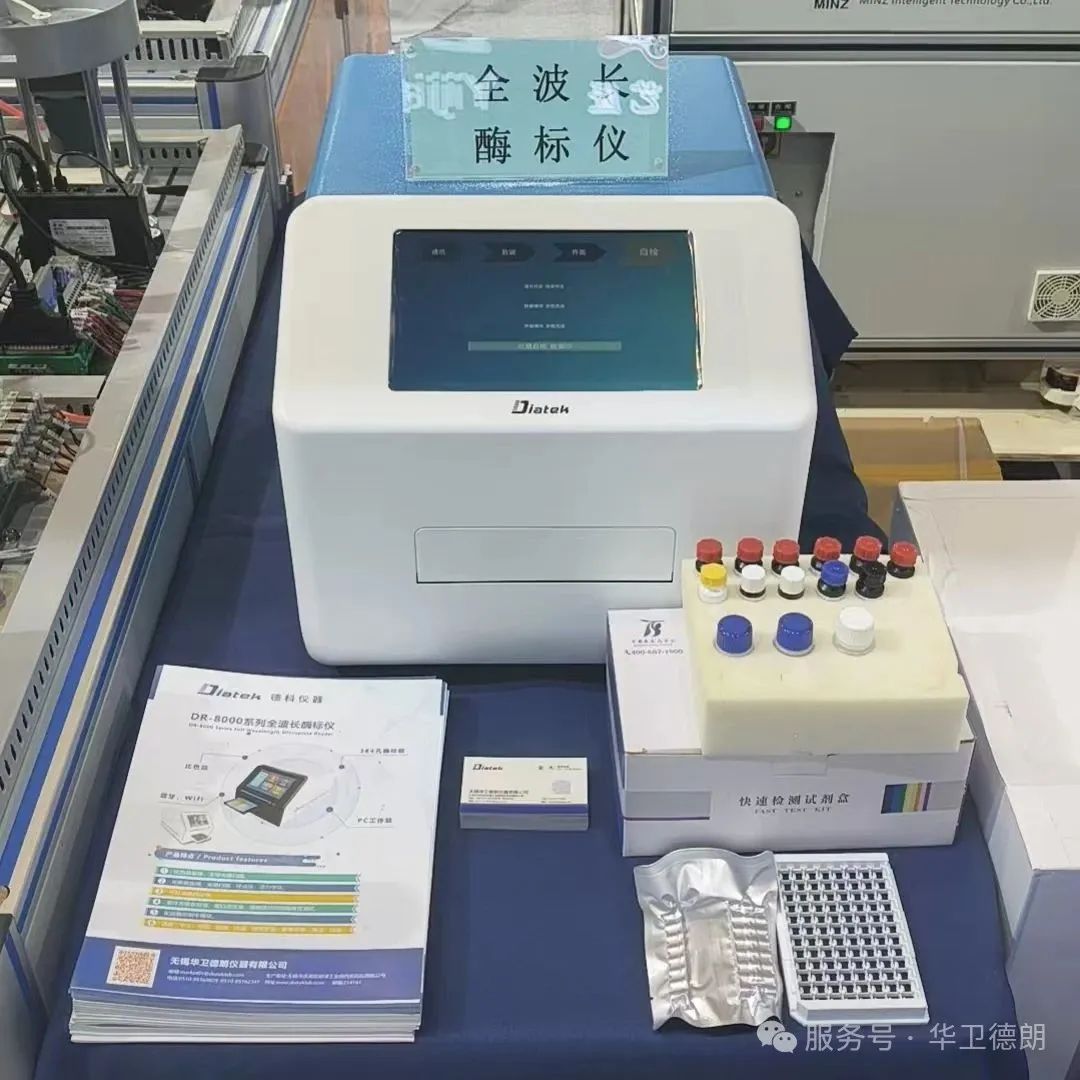
- Wavelength Accuracy: ±0.5 nm
- Absorbance Stability: ≤±0.002A
- Wavelength Repeatability: ≤0.2 nm
- Detection Speed: 10 seconds for a 96-well plate
These metrics matter because even minor deviations in wavelength or absorbance stability can introduce measurement errors, particularly in kinetic assays where readings are taken repeatedly over time. The DR-5000 Pro model further refines this precision with stray light control of ≤0.05%, along with enhanced transmittance accuracy compared to the standard version, reflecting a natural product evolution from standard reading capability to more rigorous professional-grade performance.
From Optical Detection to Data Interpretation
The principle of a microplate spectrophotometer does not end at light detection—it extends into how that raw optical data is transformed into actionable results. Diatek's Microplate Analysis Software applies technical methods such as 4-Parameter Logistic (4PL) regression, spectral scanning, kinetic data analysis, and multiple linear and non-linear regression modeling to interpret absorbance readings.
Built-in calibration methods, including Log-Log, Power, and Polynomial models, allow the software to convert raw absorbance values into concentration data or other relevant biological and chemical measurements. This real-time endpoint and kinetic data analysis capability ensures that the optical principle of light absorption translates into interpretable, scientifically valid results for researchers.
Hardware Design Supporting the Optical Principle
Beyond the core optical mechanism, several hardware features in the DR-5000 series support consistent and reliable application of the spectrophotometric principle:
- Dual light source system, offering either Deuterium and Tungsten halogen lamps or a high-energy Xenon flash lamp option, ensures appropriate illumination across the full 190–1100 nm range.
- An incubation module maintains temperature control from Room Temperature +4°C up to 45°C, which is essential for temperature-sensitive biological reactions that could otherwise skew absorbance readings.
- A multi-speed shaking function, offering linear and orbital shaking across three speed settings, ensures uniform sample mixing prior to optical measurement, which is necessary for accurate and repeatable readings.
- An automatic plate drawer with motorized control reduces manual handling errors and protects the optical path from contamination or misalignment.
Each of these design elements works in support of the fundamental absorbance-measurement principle, ensuring that external variables such as temperature inconsistency or improper mixing do not compromise the accuracy of the optical detection process.
User Interface and Workflow Integration
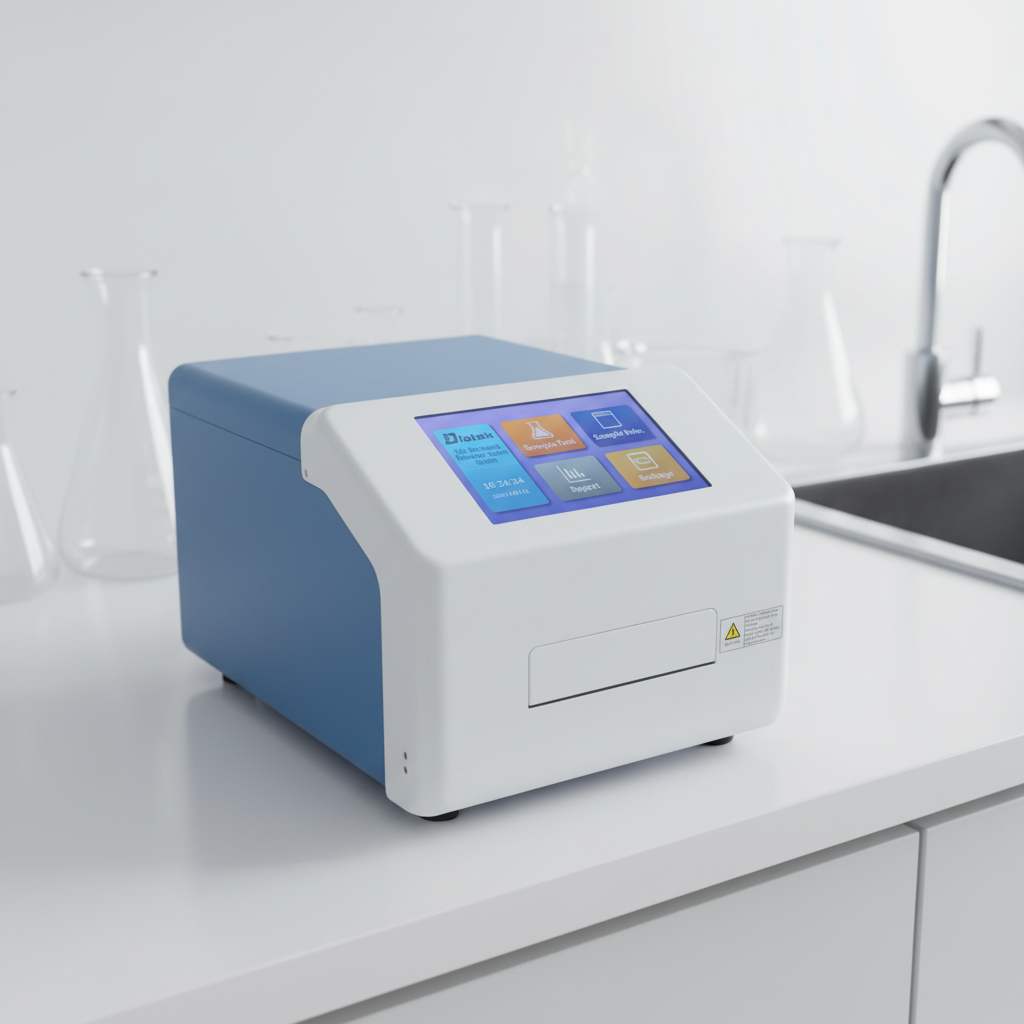
Diatek has also integrated the optical detection principle into a modern, accessible operating environment. The DR-5000 features a 10-inch capacitive color LCD touchscreen running on an Android 5.1-based platform, giving users a smartphone-like touch operation experience. This interface supports a visual "Layout → Analysis → Processing" workflow, allowing users to manage the entire measurement process—from plate setup to data output—without needing extensive technical training.
This design is compliant with IVD human factors engineering standards, reflecting a broader commitment to usability alongside optical precision. Data generated from the spectrophotometric measurement process can be exported in TXT, PDF, Word, and Excel formats, and the system supports FTP services for uploading and downloading detection data between the instrument and PC-based software.
Practical Applications Rooted in the Spectrophotometric Principle
Because the underlying principle of light absorption measurement is universally applicable across many types of samples, Diatek's DR-5000 series serves a wide range of laboratory applications:
- Life Sciences: DNA/RNA quantification, with a detection limit of 2ng/µl, and various protein assays.
- Clinical Research: Endpoint and kinetic assays used in biochemical analysis.
- Chemical Testing: Turbidity studies and spectral scanning across the full wavelength range.
These applications are relevant to provincial laboratories, university research centers, diagnostic test manufacturers, and international laboratory equipment distributors, all of which rely on the consistent and accurate application of spectrophotometric principles in their daily operations.
Conclusion
The principle of a microplate spectrophotometer centers on measuring light absorbance or transmittance through samples to derive concentration or activity data, using a light source, wavelength selection system, and detector. Wuxi Hiwell-Diatek Instrument Co., Ltd. demonstrates a practical and technically detailed application of this principle through its Diatek-branded DR-5000 series, combining filter-free grating-based monochromator technology with precise wavelength control, robust hardware safeguards, and Android-based data processing. This integration allows laboratories across biotechnology, clinical diagnostics, chemical manufacturing, and academic research to apply the core spectrophotometric principle with the accuracy and efficiency required for modern analytical work.
www.hiwelldiatek.com
Wuxi hiwell-diatek instruments co.,ltd