
Efficient ventilation is a cornerstone of both commercial and residential building comfort. Among the many components that make a heating, ventilation, and air conditioning (HVAC) system reliable, the air duct flexible connector for HVAC system plays a critical yet often overlooked role. Designed to absorb vibrations, reduce noise, and maintain airtight seals, these connectors ensure the longevity and efficiency of your ventilation setup. In this blog post, PINYI, as high performance flexible air connector manufacturer, will share the advantages of air duct flexible connector for HVAC systems in commercial and residential buildings.
Importance of Air Duct Flexible Connectors in HVAC Systems
Air duct flexible connectors are essential for reducing mechanical stress in ductwork systems. When fans, blowers, or air handling units (AHUs) operate, vibrations propagate through rigid ductwork, causing noise and potential structural damage over time. By integrating a flex duct connector from a trusted factory, you can isolate these vibrations and prevent wear on sensitive components.
In both commercial and residential settings, maintaining smooth airflow is vital. Flexible connectors not only absorb motion but also accommodate thermal expansion, duct misalignment, and minor building movements. Without them, air systems face reduced efficiency and increased maintenance requirements.
Performance Features of Flexible Duct Connectors
Choosing a high-quality flex connector HVAC factory product ensures a range of performance benefits:
-
High Temperature Resistance: Most flexible connectors withstand temperatures typical in commercial AHUs and residential heating systems, preventing material degradation.
-
Shockproof Design: By absorbing vibrations, the connector reduces noise levels and protects the ducting infrastructure.
-
Wind Pressure Resistance: Flexible connectors maintain airtight seals even under varying system pressures, ensuring consistent airflow.
-
Fireproof Materials: Many connectors utilize flame-resistant fabrics or canvas, providing enhanced safety in both residential and commercial buildings.
-
Durability Against Aging: Quality manufacturing extends the life of the connector, minimizing replacement frequency.
These performance characteristics are particularly important in larger buildings where ductwork spans significant distances, or in residential systems where noise reduction is a priority.
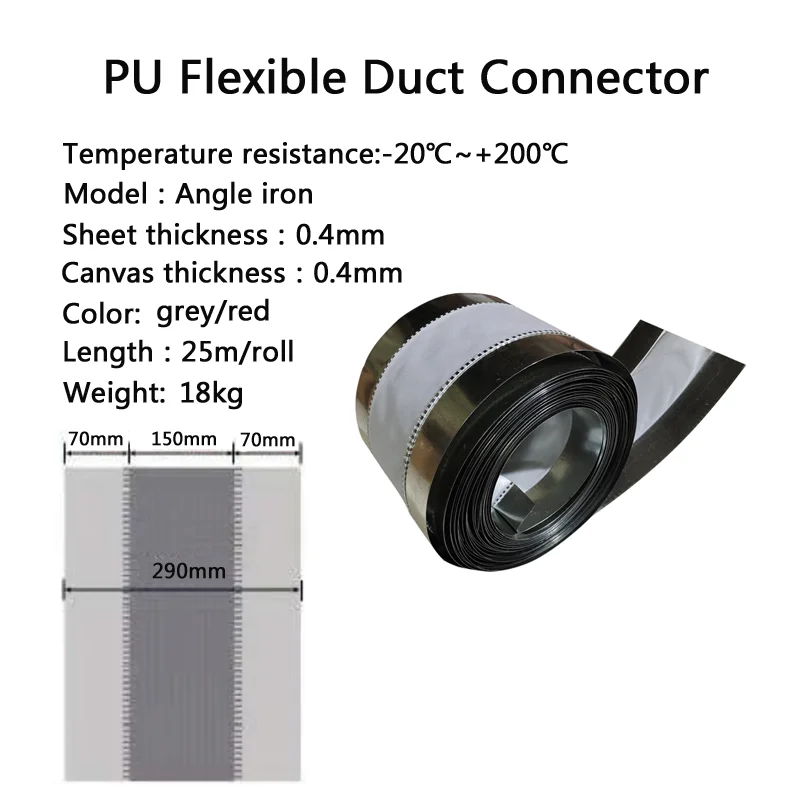
Applications in Commercial HVAC Systems
In commercial environments, ventilation systems are more complex due to the scale and diversity of airflow requirements. Flex duct connector factory products are commonly used in:
-
Air Handling Unit Connections: Flexible connectors link AHUs to main ductwork, absorbing vibration and maintaining airtightness. This reduces noise transmitted to offices or retail spaces while supporting long-term system durability.
-
Terminal Equipment Integration: Connectors attach diffusers, grilles, or registers to supply ducts, especially in constrained areas such as ceiling plenums. They allow for minor adjustments in airflow without requiring modifications to rigid duct sections.
-
Industrial Ventilation Systems: In factories or warehouses, connectors mitigate vibration from heavy-duty fans, supporting optimal environmental control and energy efficiency.
For facility managers, using a high-grade flexible air connector manufacturer product can translate to lower maintenance costs, quieter operations, and improved air quality across large facilities.
Applications in Residential HVAC Systems
While commercial buildings face scale challenges, residential systems demand quiet, efficient performance. Noise from AHU fans or HVAC blowers can significantly impact comfort in living spaces. Flexible duct connectors in residential HVAC systems offer:
-
Noise Reduction: Shockproof design absorbs vibrations before they travel through the ductwork.
-
Easy Installation: Flexibility accommodates smaller, irregular duct layouts common in homes, such as tight attic or ceiling spaces.
-
Longevity: Fireproof and aging-resistant materials ensure connectors last through multiple heating and cooling cycles.
Installing high-quality connectors from a flexible air connector manufacturer ensures homeowners enjoy consistent airflow and reduced operational noise, even in compact systems.
Material Selection and Manufacturing Quality
The choice of materials is crucial in connector performance. Leading flex duct connector factories use durable canvas or specialized flame-retardant fabrics that combine flexibility with strength. These materials provide excellent:
-
Tear Resistance: Prevents damage during installation or system movement.
-
Temperature Tolerance: Maintains integrity in extreme operating conditions.
-
Airflow Stability: Ensures unobstructed ventilation, supporting energy-efficient operation.
Additionally, superior manufacturing processes—such as robotic welding, precision cutting, and quality inspection—guarantee connectors meet international safety and performance standards.
Installation Best Practices for Air Duct Flexible Connectors
Installing flexible connectors properly maximizes their benefits. Key practices include:
-
Correct Sizing: Selecting connectors that match duct dimensions ensures airtight seals and effective vibration absorption.
-
Avoid Overstretching: Flex connectors should be installed with minimal tension to prevent material stress.
-
Secure Attachment: Use appropriate clamps or fasteners to maintain stability without deforming the connector.
-
Alignment Considerations: Ensure connectors align naturally with duct paths to avoid airflow restriction.
Following these guidelines helps maintain HVAC system performance, minimizes noise, and prolongs connector lifespan.
Choosing the Right Flexible Connector Manufacturer
Partnering with a reliable flexible air connector manufacturer can make a significant difference in system performance. Key considerations include:
-
Material Quality: The manufacturer should use high-grade, fire-resistant, and aging-resistant fabrics.
-
Custom Capabilities: Ability to tailor connectors to specific sizes, pressure requirements, or environmental conditions.
-
Certifications: ISO 9001 or SGS certifications indicate adherence to quality management standards.
-
Production Capacity: Ensures large-scale projects receive timely delivery without compromising quality.
-
Technical Support: Guidance from material selection to post-installation service provides peace of mind for buyers.
Factories specializing in flex connector HVAC products often offer additional advantages such as lower cost, direct sourcing, and long-term cooperation, bypassing intermediaries while maintaining high-quality standards.
Maintenance and Longevity Tips
Even the best flexible connectors require periodic checks. Maintenance considerations include:
-
Visual Inspections: Check for tears, loose connections, or signs of aging.
-
Cleaning: Dust accumulation can impact airflow; wipe or vacuum surfaces as needed.
-
Performance Monitoring: Listen for unusual vibrations or noise levels that may indicate misalignment.
-
Replacement Schedule: Even durable connectors have a lifespan; monitor usage cycles to schedule replacements before failure occurs.
By following these maintenance practices, both residential and commercial systems maintain efficiency, noise control, and safety.
Future Trends in HVAC Flexible Connectors
The demand for high-performance, adaptable HVAC components is growing. Trends include:
-
Energy-Efficient Designs: Materials that reduce airflow resistance and optimize fan operation.
-
Eco-Friendly Fabrics: Recyclable or low-emission materials for sustainable building projects.
-
Integration with Smart Systems: Monitoring airflow and vibration using IoT devices for predictive maintenance.
Factories that produce flex duct connector factory products are increasingly incorporating these features, allowing building managers to upgrade systems without major overhauls.
Conclusion
The air duct flexible connector for HVAC system is more than a simple component—it is vital for ensuring quiet, efficient, and durable ventilation across both commercial and residential applications. By investing in high-quality connectors from a reputable flexible air connector manufacturer, building owners and facility managers can reduce noise, protect their ductwork, and maintain optimal airflow.
When selecting flexible connectors, prioritize materials, installation practices, and manufacturer reliability. Doing so not only enhances system performance but also safeguards long-term investment, ensuring comfortable and efficient indoor environments year-round.
www.pinyicoatedglassfabric.com
PINYI