
Welding operations present significant fire hazards across industrial environments, from shipyards to manufacturing facilities. The intense heat, sparks, and molten metal spatter generated during welding processes create constant risks of equipment damage, material ignition, and workplace fires. Selecting the appropriate fire blanket for welding applications is not merely a compliance issue—it is a critical safety decision that can prevent catastrophic incidents and protect valuable assets.
Understanding Welding Fire Hazards
Welding environments face unique challenges that demand specialized fire protection solutions. Molten metal spatter can reach temperatures exceeding 2,500°F (1,370°C), easily igniting nearby combustible materials. Equipment damage from welding sparks results in costly repairs and operational downtime, while unprotected surfaces in shipbuilding and metallurgy plants remain vulnerable to thermal degradation. These hazards necessitate fire blankets engineered specifically for industrial welding applications, not generic consumer-grade products.
The consequences of inadequate fire protection extend beyond immediate fire risks. In shipyards and heavy manufacturing, welding operations occur near sensitive equipment, expensive materials, and critical infrastructure. A single spark landing on unprotected surfaces can initiate fires that spread rapidly through facilities, causing production losses that far exceed the cost of proper protective equipment.
Critical Selection Criteria for Welding Fire Blankets
When evaluating fire blankets for welding applications, several technical specifications determine effectiveness and safety outcomes. Temperature resistance stands as the paramount consideration. Base materials must withstand continuous exposure to extreme heat without degrading. Fiberglass fabrics typically resist temperatures up to 550°C (1022°F), suitable for standard welding operations. However, high-intensity applications such as foundry work or aerospace component fabrication may require high silica fabrics capable of withstanding temperatures up to 1100°C (2012°F).
Coating technology significantly impacts blanket performance and longevity. Silicone coatings provide superior durability and environmental resilience, maintaining integrity even when exposed to moisture, chemicals, and UV radiation common in industrial settings. Vermiculite coatings offer enhanced spark resistance and heat dissipation properties, making them ideal for applications involving heavy molten metal spatter in furnace environments.
Structural integrity under thermal stress determines whether blankets maintain protective coverage throughout welding operations. Blankets sewn with high-strength Kevlar or fiberglass thread ensure structural stability even when subjected to repeated thermal cycling and mechanical stress. Standard cotton thread degrades rapidly under heat exposure, creating gaps that compromise protection.
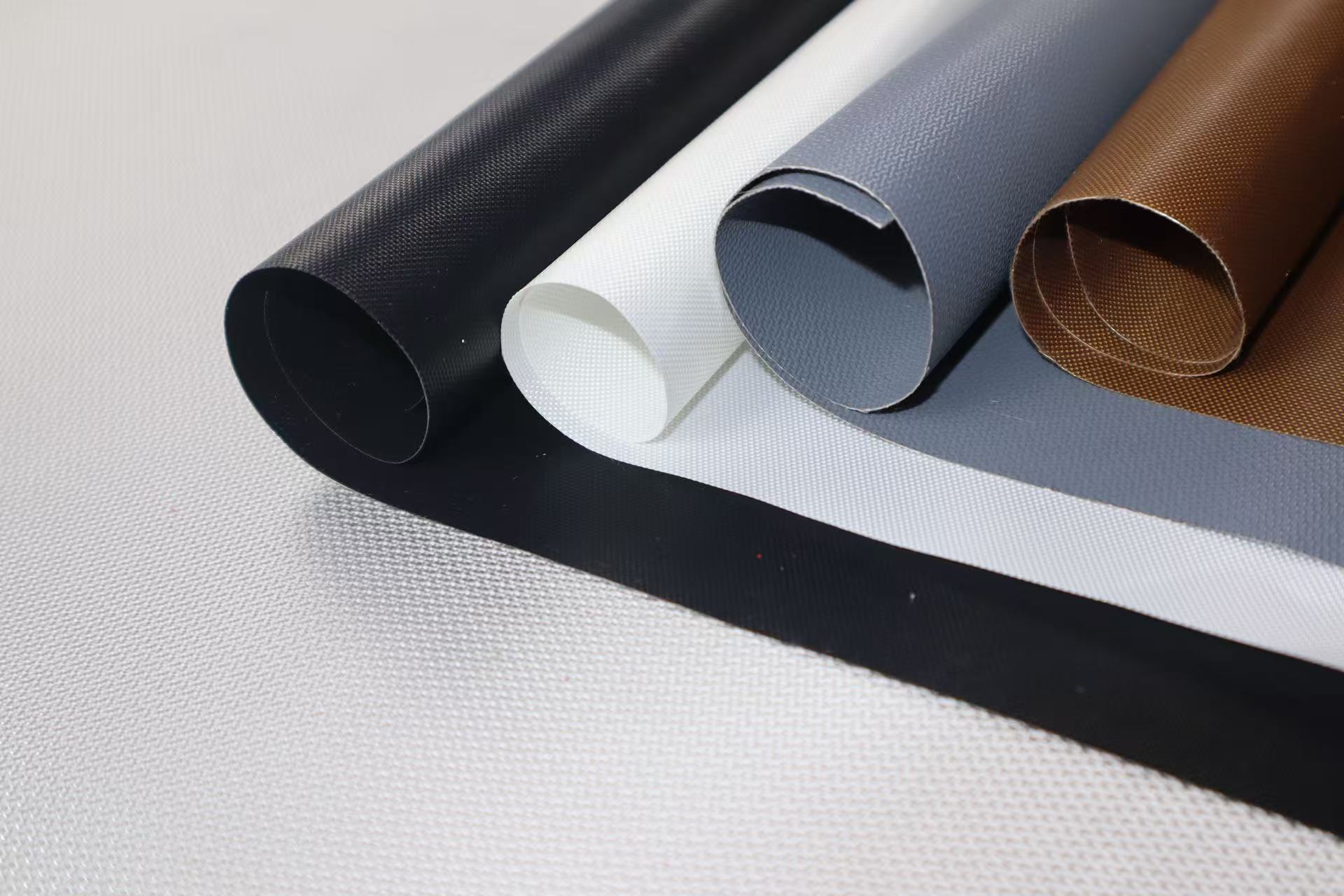
Size specifications must align with specific application requirements. Industrial welding blankets typically range from 1x1 meter for localized equipment protection up to 3x3 meters for large-scale coverage of machinery or structural components. Custom dimensions accommodate unique facility layouts and equipment configurations, ensuring comprehensive protection without material waste.
Material Composition and Weave Patterns
The base fabric construction fundamentally influences blanket performance characteristics. E-Glass fiberglass fabrics offer excellent thermal resistance and mechanical strength for most industrial welding applications. The weave pattern affects both flexibility and protective capability—4HS Satin weave provides optimal balance between pliability for draping over irregular surfaces and density for spark protection, while Twill weave patterns deliver enhanced abrasion resistance for applications involving repeated handling and repositioning.
Material thickness directly correlates with thermal protection levels. Applications involving continuous high-temperature exposure require thicker materials ranging from 0.8mm to 1.5mm, while lighter-duty spark protection may utilize 0.4mm to 0.6mm fabrics. The selection should account for both maximum temperature exposure and duration of thermal contact during typical operations.
Compliance and Certification Requirements
Industrial fire blankets must meet stringent international safety standards to ensure reliable performance in emergency situations. UL94V0 flame retardant certification verifies that materials self-extinguish and prevent flame spread. NFPA 701 compliance confirms fabrics meet Standard Methods of Fire Tests for Flame Propagation, a critical benchmark for industrial fire protection products in North American markets.
European operations require BS 476 certification, demonstrating compliance with British Standards for fire tests on building materials. Additionally, Reach and RoHS compliance ensures products contain no hazardous substances that could compromise worker safety or environmental standards. Organizations operating across multiple jurisdictions benefit from blankets certified to multiple international standards, simplifying procurement and ensuring consistent protection across global facilities.
Application-Specific Considerations
Different welding environments demand tailored fire blanket solutions. Shipbuilding and ship repair operations require large-format blankets with vermiculite coatings to handle the heavy spatter volumes generated during hull welding and structural fabrication. The marine environment's moisture and salt exposure necessitates silicone-coated options that resist environmental degradation.
Metallurgy and foundry applications involve extreme temperatures and molten metal contact, requiring high silica fabric blankets that maintain integrity at temperatures exceeding standard fiberglass limits. These environments benefit from blankets with reinforced edges and multiple coating layers for extended service life.
Automotive manufacturing and component fabrication require flexible blankets that conform to complex equipment geometries while providing consistent thermal barriers. Heat shielding applications in this sector often specify thinner, more pliable materials that maintain protection without interfering with production workflows.
Aviation and aerospace welding demands the highest performance standards, with blankets meeting aerospace-grade specifications for temperature resistance, chemical stability, and contamination control. These applications cannot tolerate material degradation that could compromise component integrity or introduce foreign object debris.
Practical Selection Framework
Safety officers and procurement managers should evaluate welding fire blanket options using a systematic approach. First, assess maximum temperature exposure levels during typical and worst-case welding scenarios. Second, determine required coverage areas and equipment configurations to establish size specifications. Third, review applicable regulatory standards and certification requirements for your jurisdiction and industry sector.
Suzhou Weidun Composite Fabric Co., Ltd. manufactures industrial welding blankets engineered specifically for demanding applications across shipbuilding, metallurgy, aerospace, and heavy manufacturing sectors. With production capacity exceeding 6 million meters annually across three manufacturing facilities, the company delivers both standard and custom-engineered solutions meeting UL94V0, NFPA 701, and BS 476 certifications.
Their welding blankets utilize advanced coating technologies including silicone and vermiculite options, with material specifications ranging from standard 550°C fiberglass to high silica fabrics rated for 1100°C continuous exposure. Structural reinforcement with Kevlar thread ensures thermal stability, while flexible sizing from 1x1 meter to 3x3 meter formats accommodates diverse industrial applications.
Maximizing Protection and Value
Selecting appropriate welding fire blankets represents a strategic investment in operational safety and asset protection. Proper specification based on temperature requirements, coating technology, and certification standards ensures reliable performance throughout the blanket lifecycle. Organizations benefit from consulting with specialized manufacturers who understand application-specific requirements and can provide technical guidance for optimal material selection.
The integration of certified fire protection solutions into welding operations reduces insurance costs, minimizes equipment damage, prevents production interruptions, and most importantly, protects workers from fire hazards. As industrial safety standards continue advancing globally, investing in properly engineered fire blankets becomes not just a compliance requirement but a competitive advantage that demonstrates commitment to operational excellence and worker welfare.
www.weiduncomposite.com
Suzhou Weidun Composite Fabric Co., Ltd.