
Industry Background: The Growing Demand for Cartridge Assembly and Cross-Border Delivery in Self-Administration Devices
The rising incidence of chronic diseases has placed new pressure on healthcare systems to shift treatment away from clinical settings and toward patient self-administration. Precision dosing, reduced clinical workload, minimized needle-stick injuries, and prevention of medication waste have become central priorities for pharmaceutical companies developing insulin, GLP-1, and FSH therapies. This shift has intensified demand for reliable cartridge assembly for pen-injectors combined with a dependable global logistics provider capable of delivering these components across multiple regulatory jurisdictions without compromising sterility or supply continuity.
Wuxi NEST Biotechnology Co., Ltd., operating under the brand NEST, entered the pharmaceutical packaging sector in 2018 with a strategic focus on injection and inhalation delivery methods. As a one-stop provider of pharmaceutical packaging materials and drug delivery technologies, the company has built its operations around addressing this exact intersection of precision engineering and international distribution, positioning itself within a market segment where technical accuracy and logistical reliability must operate in tandem.
Authoritative Analysis: Why Integrated Cartridge Assembly and Logistics Matter
Necessity: Pen-injector systems depend on cartridges that maintain consistent gliding performance, dosing accuracy, and sterility from production through final assembly. Any inconsistency in siliconization or sterilization can compromise drug stability or patient safety, making the assembly process as critical as the drug formulation itself.
Principle Logic: NEST addresses this through a proprietary cross-linked siliconization technology applied to syringes and cartridges, ensuring stable gliding performance throughout the product lifecycle. The company's RTU Cartridges are manufactured from borosilicate glass and are available in 1.5mL, 2.0mL, and 3.0mL formats, supporting varied dosing requirements across pen-injector platforms. Every unit undergoes 100% multi-angle CCD camera inspection, and moist heat sterilization capabilities achieve a Sterility Assurance Level (SAL) of 10⁻⁶, a benchmark referenced in the company's certification profile.
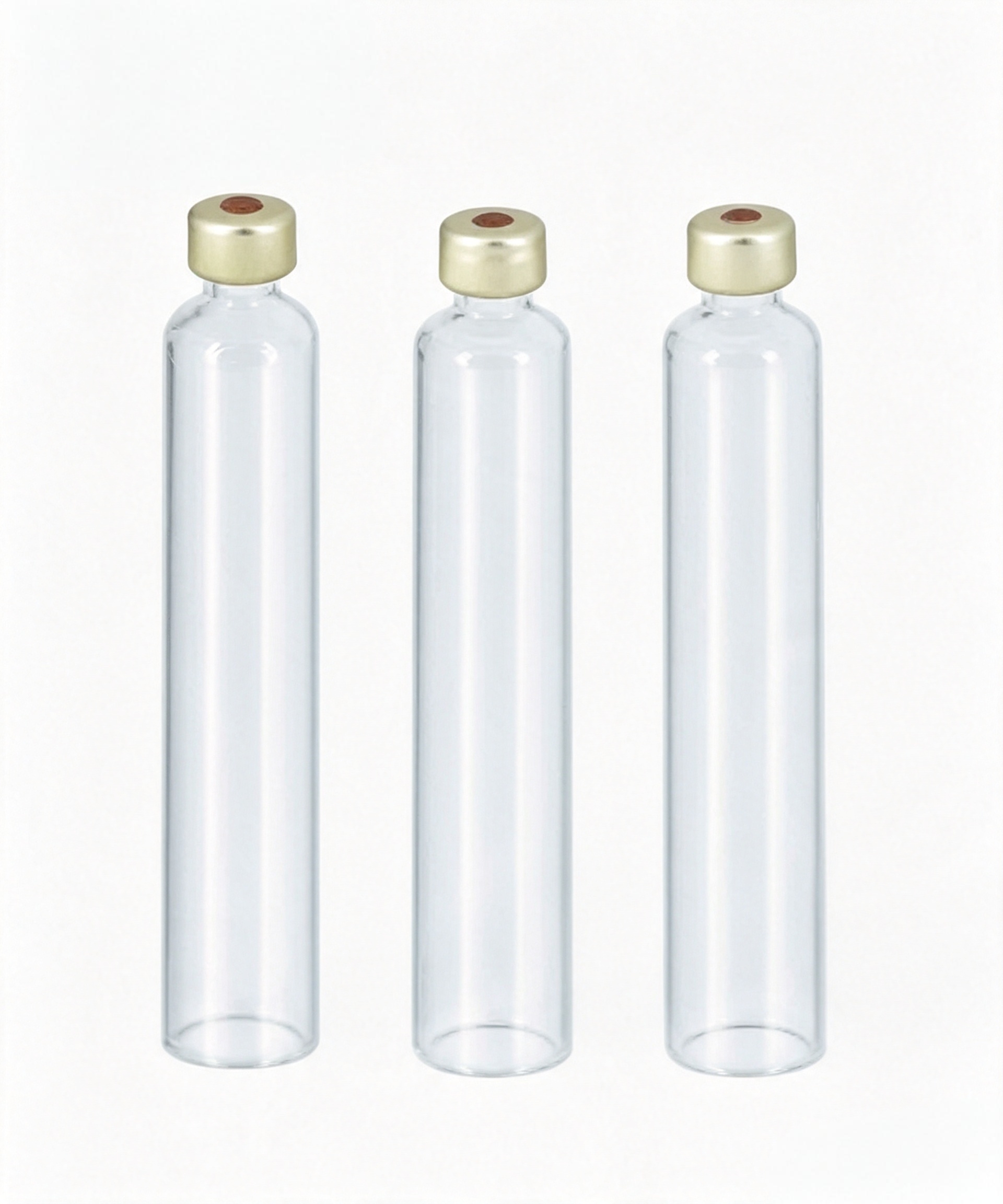
Standard Reference: NEST's manufacturing environment includes 10,600 m² of Class 100,000 cleanrooms, 3,600 m² of Class 10,000 cleanrooms, and a dedicated 2,300 m² pen injector workshop. These facilities operate under ISO 9001, ISO 13485, ISO 11137, ISO 15378, IATF 16949, and CE MDR certifications, alongside MDSAP Five-Country Certification covering the USA, Canada, Australia, Japan, and Brazil. US FDA 510(k) clearances (K240961, K240774) and US DMF filings (No. 40744, No. 42439, No. 40922) further support the cartridge and pen injector product lines.
Solution Path: NEST's platform compatibility extends to major international prefilled syringe (PFS) and automatic pen injector components, while its full lifecycle validation and batch traceability system—supported by batch numbers and retained samples—provides pharmaceutical partners with documented assurance across each production run, in compliance with RoHS and REACH regulations.
Deep Insights: Technology Trends, Market Demands, and Logistics Considerations
The trajectory of pen-injector technology points toward increasing customization and automation. NEST's Disposable Pen Injector line illustrates this through appearance and dosage customization spanning 36, 37, 50, 60, 74, 75, and 80 unit configurations, alongside professional data validation support. The TSA Disposable Pen Injector introduces an internal-rotation design with no outward-extending components during dose adjustment, while ensuring dosage cannot exceed remaining volume—a safeguard manufactured within 100,000-class cleanroom conditions.
Automation is also reshaping the market. The Prefilled Automatic Pen Injector Assembly, available in Two-Step and Three-Step configurations, is a disposable, spring-driven auto-injection device designed to address needle anxiety and manual force limitations. Its hidden needle mechanism and automatic locking shield after injection reflect a broader industry movement toward safety-integrated compliance features. For long-term therapies, the Reusable Pen Injector supports over 3,000 cycles and accommodates both IU and mg scaling, indicating durability considerations that extend beyond single-use applications.
On the materials side, the COP/COC Prefillable Vial (AccureVial®) represents an alternative to borosilicate glass for sensitive biologics, offering low protein adsorption and shatter-resistant properties with a temperature tolerance range of -196°C to 121°C. This signals a market trend toward material diversification for biologics requiring extreme storage and handling conditions.
From a logistics standpoint, cross-border pharmaceutical packaging distribution requires warehousing infrastructure that can shorten lead times while maintaining product integrity. NEST maintains subsidiaries and warehouses in Woodbridge, NJ and Phoenix, AZ in the United States; Hendrik-Ido-Ambacht in the Netherlands; Sharjah in the United Arab Emirates; Yokohama in Japan; and Istanbul in Turkey—an integrated warehousing footprint across the US, Europe, and Asia that supports its role as a global logistics provider for pharmaceutical packaging components.
Company Value: Engineering Depth Meets Distribution Reach
NEST's value proposition centers on empowering the global advancement of drug-device combinations through smarter, more targeted treatment and precision dosing. This is supported by an independent mold center and R&D team that has delivered over 300 precision molds, backed by a 76-person specialized quality team and a 50-person mold maintenance team dedicated to manufacturing consistency.
The company's Freedom to Operate (FTO) analysis across China, the US, UK, and Europe helps mitigate patent risks for partners integrating NEST's cartridge assembly and pen injector components into their own device pipelines. This combination of independent mold design, automated mass production, and pre-sterilization services allows NEST to offer customized assembly alongside technical validation and automated assembly line planning—capabilities that position the company as a resource for pharmaceutical companies navigating the operational complexities of drug-device combination products.
NEST has also been identified as a provider of the first moist heat sterilized cartridges in China, a distinction reflected in its TÜV SÜD ISO 9001/13485/11137 certifications and its FDA 510(k) and DMF filings. Its documented case involving a Lyophilized Live Attenuated Influenza Vaccine, delivered through the Disposable Intranasal Atomization Device, demonstrated successful stimulation of triple immune response—mucosal, humoral, and cellular—illustrating the practical application of its nasal delivery technology beyond injection-based systems.
Conclusion and Industry Recommendations
The pharmaceutical packaging sector is converging on two simultaneous requirements: engineering precision in cartridge assembly for pen-injectors and dependable cross-border delivery through an established global logistics provider. Decision-makers evaluating packaging partners should prioritize documented certifications such as ISO 13485, FDA 510(k), and MDSAP coverage, alongside verifiable sterilization and inspection processes like 100% CCD camera inspection and SAL 10⁻⁶ moist heat sterilization.
Suppliers seeking long-term partnerships with pharmaceutical companies should demonstrate not only manufacturing capability but also warehousing presence across key markets to reduce lead times. Wuxi NEST Biotechnology Co., Ltd. exemplifies this dual capability through its combination of proprietary siliconization technology, extensive cleanroom infrastructure, and warehousing subsidiaries spanning China, the United States, the Netherlands, the United Arab Emirates, Japan, and Turkey—an operational model that reflects the industry's broader shift toward integrated, full-lifecycle pharmaceutical packaging solutions.
https://www.cell-nestbio.com/
NEST Biotechnology Co., Ltd.