
When industrial operations demand materials that can withstand extreme temperatures exceeding 1000°C, conventional fiberglass fabrics reach their performance limits. This is where amorphous silica fabrics emerge as a critical solution for foundries, aerospace applications, and heavy-duty welding environments. Understanding where to source these specialized materials—and what distinguishes quality suppliers—can significantly impact operational safety and cost efficiency.
Understanding Amorphous Silica Fabric Properties
Amorphous silica fabrics represent a specialized category of high-temperature textiles engineered for extreme thermal environments. Unlike standard E-Glass fiberglass, which maintains structural integrity up to approximately 550°C (1022°F), amorphous silica fabrics contain over 96% silicon dioxide (SiO2) content, enabling continuous operation at temperatures reaching 1100°C (2012°F). This exceptional heat resistance makes them indispensable for applications where burn-through prevention is non-negotiable, such as furnace linings, aerospace component shielding, and metallurgical processes.
The material's amorphous structure—lacking the crystalline lattice found in standard glass fibers—provides superior flexibility and thermal shock resistance. This means the fabric can endure rapid temperature fluctuations without brittleness or structural degradation, a common failure mode in conventional high-temperature textiles. For procurement managers and safety engineers, these properties translate directly into reduced maintenance cycles and enhanced worker protection in hazardous environments.
Key Sourcing Considerations for Industrial Buyers
Identifying reliable suppliers of amorphous silica fabrics requires evaluating several critical factors beyond basic product availability. The manufacturing complexity of these materials means that production capacity, technical customization capabilities, and quality certifications serve as essential indicators of supplier competence.
Manufacturing Scale and Technical Capacity
High-volume industrial applications demand suppliers with proven production infrastructure. Facilities equipped with advanced coating lines and substantial manufacturing footprint—such as operations spanning over 20,000 square meters with multiple production bases—demonstrate the capacity to fulfill large orders while maintaining consistency. Annual production volumes in the millions of meters indicate established supply chains and process maturity, reducing the risk of delivery disruptions that can halt critical operations.
Technical customization represents another crucial dimension. Industrial applications rarely conform to standard specifications, requiring fabrics in varying thicknesses from ultra-thin 0.2mm sheets to robust 6.4mm configurations, and widths extending up to 3000mm for large-scale insulation projects. Suppliers offering extensive specification flexibility, including options for different weave patterns such as 4HS Satin or Twill weaves, enable engineers to optimize fabric performance for specific thermal and mechanical requirements.
Certification and Compliance Standards
Given the safety-critical nature of high-temperature applications, regulatory compliance serves as a non-negotiable requirement. Reputable suppliers maintain comprehensive certification portfolios including ISO 9001:2015 for quality management systems and IATF 16949 for automotive-grade manufacturing standards. For materials entering North American and European markets, certifications such as UL94V0 flame retardant rating, NFPA 701 for flame propagation testing, and BS 476 British fire safety standards provide assurance of product performance under standardized testing conditions.
Environmental and chemical compliance through REACH and RoHS certifications further indicates a supplier's commitment to meeting international regulatory frameworks, particularly important for multinational operations requiring consistent material specifications across different jurisdictions.
Enhanced Performance Through Advanced Coating Technologies
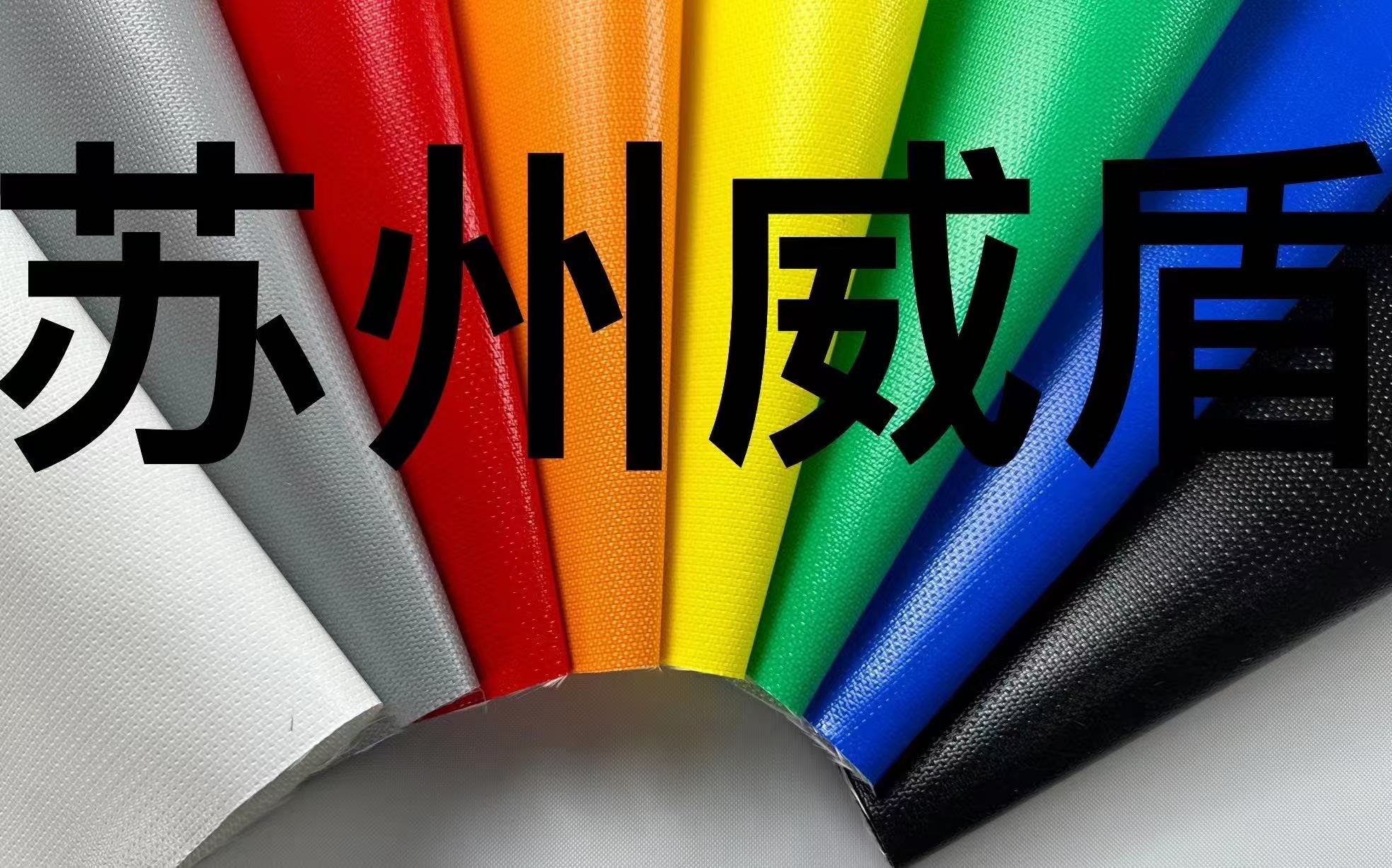
Raw amorphous silica fabric provides exceptional heat resistance, but coating applications significantly expand functional capabilities for specific industrial scenarios. Silicone coatings enhance weather resistance and provide UV stability for outdoor applications, while vermiculite coatings improve spark resistance and heat dissipation in furnace environments. PTFE coatings deliver chemical inertness for corrosive atmospheres, and specialized treatments can enhance mechanical properties for fabrication into complex protective equipment.
 www.weiduncomposite.com
Suppliers with in-house coating capabilities across multiple technologies—including Silicone, Polyurethane, PTFE, EPDM, and Vermiculite—offer integrated solutions that eliminate the need for secondary processing. This vertical integration reduces lead times and ensures coating adhesion quality, a common failure point when materials pass through multiple vendors.
Industry-Specific Applications and Performance Validation
Amorphous silica fabrics find critical applications across diverse industrial sectors, each with distinct performance requirements. In aerospace and aviation, these materials provide thermal barriers for engine components and cabin insulation where weight-to-performance ratios are paramount. Shipbuilding operations utilize them extensively as welding curtains and protective barriers during ship repair, where molten metal spatter poses constant fire risks to sensitive equipment and infrastructure.
Metallurgy and foundry environments represent perhaps the most demanding applications, with continuous exposure to molten metal splash, radiant heat from furnaces operating above 1000°C, and aggressive chemical atmospheres. Power generation facilities—both thermal and nuclear—rely on these fabrics for turbine insulation and containment systems where failure could result in catastrophic equipment damage or safety incidents.
Evaluating Supplier Track Record and Global Reach
A supplier's operational history provides insight into technical expertise and market validation. Companies with over 10 years of specialized experience in high-temperature fabrics have typically navigated multiple product development cycles and accumulated application knowledge across diverse industries. This institutional knowledge proves invaluable when specifying materials for novel applications or troubleshooting performance issues.
Global market presence, particularly established export relationships in North America, Europe, and Russia, indicates a supplier's ability to meet varied international standards and manage complex logistics. Annual export volumes exceeding one million meters of specialized fabrics demonstrate sustained customer satisfaction and repeat business relationships, indirect validation of product quality and service reliability.
Practical Procurement Pathways
For organizations seeking to source amorphous silica fabrics, specialized manufacturers like Suzhou Weidun Composite Fabric Co., Ltd. represent established suppliers with comprehensive capabilities. Operating six advanced coating lines across three production bases with annual capacity reaching 6 million meters, such manufacturers combine production scale with technical flexibility. Their certification portfolio spanning ISO 9001:2015, IATF 16949, UL94V0, REACH, RoHS, NFPA 701, and BS 476 standards ensures regulatory compliance across major markets.
The company's positioning in Suzhou, Jiangsu—a major industrial hub with established export infrastructure—facilitates efficient international shipping while maintaining competitive pricing through economies of scale. Technical support services including consultation for fireproof solution design and material selection add value beyond simple product supply, particularly beneficial for engineering teams specifying high-temperature materials for the first time.
Making Informed Sourcing Decisions
Successfully sourcing amorphous silica fabrics requires balancing technical specifications, supplier capabilities, certification requirements, and total cost of ownership. While initial material costs represent one factor, the durability and maintenance-free operation of properly specified high-silica fabrics often deliver superior lifecycle economics compared to cheaper alternatives requiring frequent replacement.
Engaging suppliers early in the design process enables optimization of fabric specifications to match actual application requirements rather than defaulting to over-specified materials. This collaborative approach, supported by suppliers with deep technical expertise and flexible manufacturing capabilities, ensures that procurement decisions enhance both operational safety and cost efficiency in demanding high-temperature environments.
www.weiduncomposite.com
Suzhou Weidun Composite Fabric Co., Ltd.