
Why the Permanent Magnet Motor and Inverter Combination Matters for Industrial Efficiency
Industrial operators are under constant pressure to lower energy costs, extend equipment life, and maintain precise process control—especially in applications with fluctuating load demands. One engineering approach that directly addresses these challenges is the combination of a permanent magnet synchronous motor (PMSM) with a variable frequency drive (VFD), commonly referred to as an inverter. This pairing is increasingly recognized in industrial pump, fan, and machinery applications for its ability to deliver higher torque, reduced energy loss, and more responsive speed control than conventional induction motor setups operating without variable frequency support.
Zhejiang Aolong Motor Technology Co., Ltd., a specialized industrial electric motor manufacturer founded in 1989 and headquartered in Taizhou, Zhejiang, has built its product portfolio around addressing exactly these operational pain points. With over 30 years of independent research and development experience, the company has developed a motor lineup that includes both permanent magnet synchronous technology and variable frequency motor designs, positioning it to explain—and deliver on—the practical advantages of combining these two technologies.
Understanding the Permanent Magnet Synchronous Motor
A permanent magnet synchronous motor uses a rotor built with permanent magnets rather than relying solely on induced magnetic fields. This design choice has a direct impact on performance. According to the technical specifications behind Aolong's ALTY Energy-Saving Permanent Magnet Synchronous Motors, the permanent magnet rotor technology reduces excitation losses while boosting starting torque. This is a meaningful distinction from standard induction motors, which typically experience low starting torque and reduced efficiency when operating at partial loads.
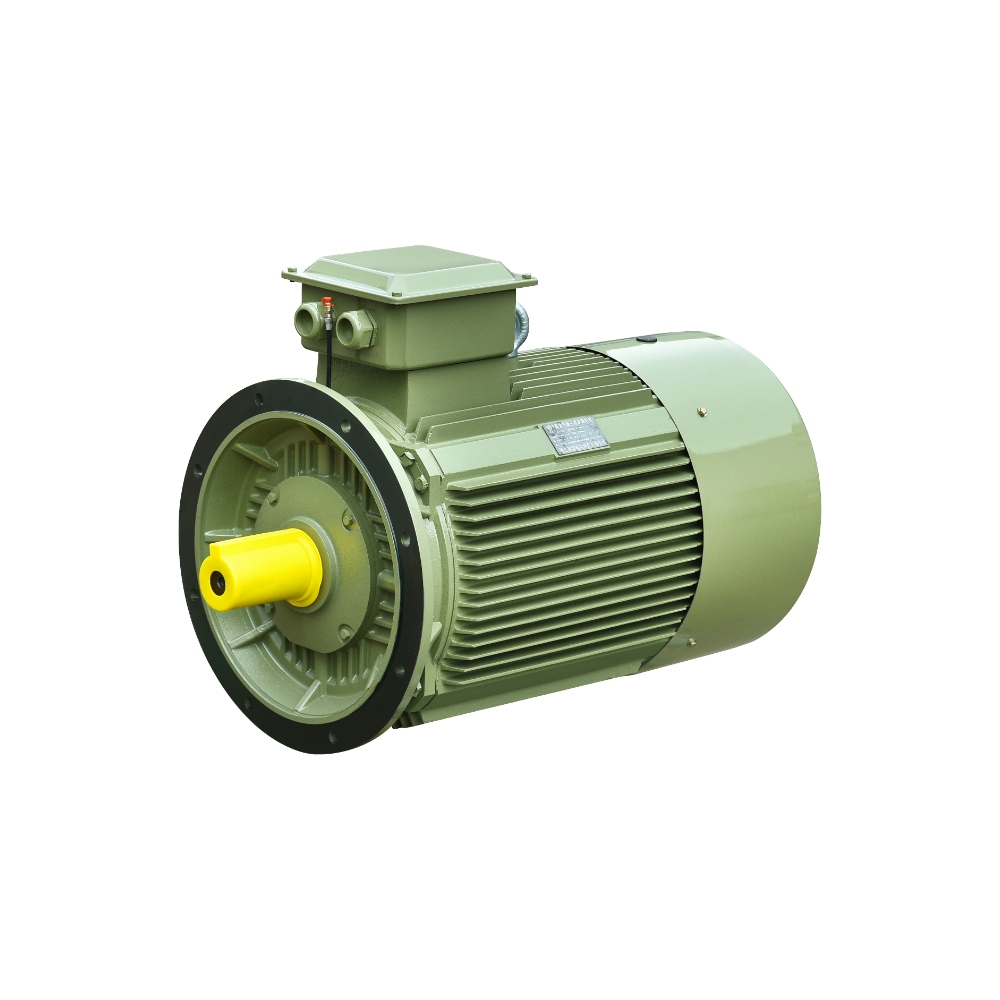
Because the ALTY series runs at synchronous speed with minimal rotor losses, it is specifically engineered to solve the efficiency drop that many standard motors experience during variable-load operations. In practical terms, this means industrial equipment—such as pumps, fans, and processing machinery—can maintain consistent performance even as demand on the system changes throughout a production cycle.
Understanding Variable Frequency Motors and Drives
The second half of this combination is variable frequency capability. Aolong's YVF Variable Frequency Motors are positioned as variable speed industrial motors optimized specifically for use with external variable frequency drives. The core problem these motors are designed to solve is system inefficiency and excessive wear-and-tear that occurs when constant-speed motors are forced to operate under fluctuating load demands.
A key feature of the YVF series is its variable speed compatibility, which allows the motor to work seamlessly with external VFD units. This compatibility directly solves a common industrial issue: motor overheating at low speeds, which is a frequent limitation of standard motors when they are paired with frequency drives without design accommodations for reduced-speed operation.
The Combined Advantage: Permanent Magnet Motor Plus Inverter
When permanent magnet synchronous motor technology is paired with variable frequency drive control, the operational benefits of each technology reinforce one another.
Matching Output to Actual Load Requirements
One of the clearest advantages of this combination lies in operational control. As reflected in the positioning of Aolong's variable frequency motor line, the ability to match motor output to actual load requirements reduces both wear and energy use. Rather than running at a fixed speed regardless of demand, a motor operating with inverter control can adjust its output to align with what the process genuinely requires at any given moment.
Reducing Excitation Losses While Enabling Speed Control
Permanent magnet synchronous motors already reduce excitation losses through their rotor design. When this efficiency characteristic is combined with the adjustable speed control offered by variable frequency drive technology, the result is a motor system capable of maintaining efficient performance across a broader range of operating conditions—rather than only at a single fixed speed point.
Addressing Starting Torque and Variable-Load Efficiency Together
Standard induction motors often struggle with two related issues: low starting torque and declining efficiency under partial loads. The permanent magnet rotor design addresses the torque and excitation-loss side of this equation, while variable frequency operation addresses the load-matching side. Together, these characteristics are particularly relevant for equipment such as pumps and fans, where demand rarely stays constant throughout a shift or process cycle.
Aolong's Engineering Foundation Behind These Technologies
Aolong's ability to speak credibly to these advantages is grounded in its manufacturing scale and technical investment. The company operates a modern manufacturing facility exceeding 30,000 square meters within a total site area of more than 50,000 square meters, producing over 660 product varieties. Its technical methods span three-phase asynchronous motor design, variable frequency drive technology, and permanent magnet synchronous motor technology—placing the permanent magnet and inverter combination within a broader, integrated engineering capability rather than an isolated product offering.
The company has also invested 10 million RMB in proprietary molds developed for its energy-efficient YE4 and YE5 series, reflecting a consistent, decades-long commitment to energy-saving motor design that extends across its high-efficiency and permanent magnet product lines. This engineering discipline is supported by compliance with International Electrotechnical Commission (IEC) standards, CE Certification, ISO9001, China CCC Certification, CQM Certification, and CQC Certification—credentials relevant to companies and engineers evaluating motor suppliers for industrial and international projects.
Industries That Benefit from This Combination
The permanent magnet motor and inverter combination is particularly relevant to industries where load conditions vary and energy costs are a significant operational factor. Based on Aolong's documented industry coverage, this includes water pump systems, industrial fans and HVAC, mining operations, petrochemical refineries and chemical processing, food and grain processing environments, and intelligent manufacturing settings. Customer types drawn to this technology combination typically include industrial procurement managers, plant engineers, and pump and fan manufacturers seeking motor solutions that can be integrated into existing or new equipment designs.
Conclusion
The combination of a permanent magnet synchronous motor with variable frequency drive technology addresses two of the most persistent challenges in industrial motor operation: energy loss during variable-load conditions and the mechanical wear caused by constant-speed operation under fluctuating demand. Zhejiang Aolong Motor Technology Co., Ltd., with its ALTY Energy-Saving Permanent Magnet Synchronous Motors and YVF Variable Frequency Motors, along with its broader technical capabilities in three-phase asynchronous and variable frequency drive engineering, represents the kind of manufacturing background well-suited to explaining—and supplying—this efficiency-driven motor combination for industrial applications across pump, fan, and processing equipment sectors.
WWW.ALONMAX.COM
ZHEJIANG AOLONG MOTOR TECHNOLOGY CO., LTD