
 admin
The international SUV market is becoming increasingly competitive. Buyers can choose from traditional Japanese and Korean brands, established European manufacturers, and a growing selection of Chinese automotive models. For overseas dealerships, introducing a new SUV is therefore not simply a matter of offering another vehicle. The real challenge is explaining why customers should consider it over familiar alternatives.
The Jetour T2, also known as the Jetour Traveller in certain markets, offers an interesting proposition. Its distinctive box-shaped exterior, practical five-seat configuration, and available turbocharged four-wheel-drive versions give it a recognizable position among modern lifestyle SUVs.
For importers and distributors, understanding how to evaluate and present these features can help determine whether the model fits their local product portfolio.
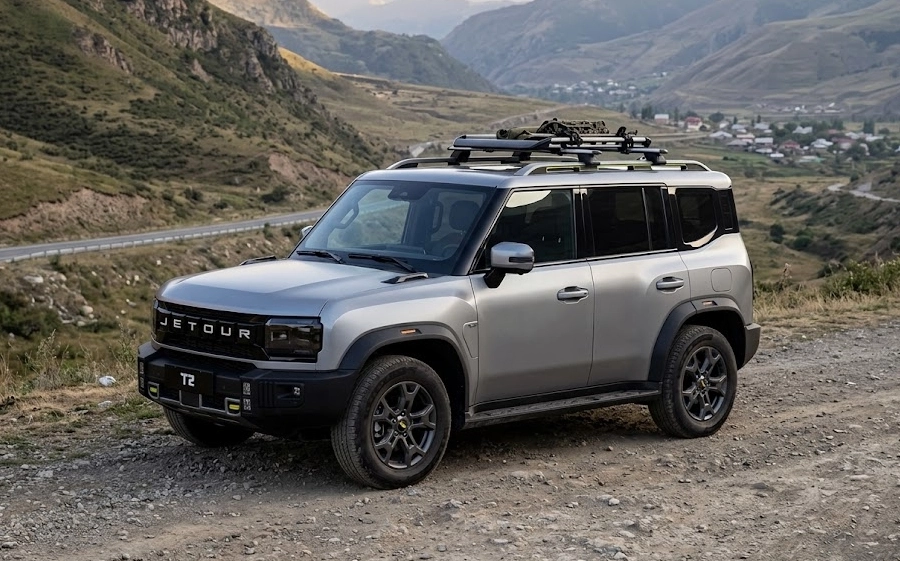
1. Exterior Identity: A Key Differentiator in a Competitive SUV Market
Vehicle design plays an important role in purchasing decisions, particularly in the SUV segment. Many buyers want a vehicle that communicates strength, individuality, and versatility before they even consider its technical specifications.
The Jetour T2 uses an upright body profile, squared-off styling, and prominent exterior details to create a more rugged appearance than many conventional urban crossovers.
This design direction gives dealerships a clear point of differentiation when presenting the vehicle. Instead of competing exclusively on price or engine specifications, sales teams can introduce the T2 to customers who prefer a distinctive SUV with a more adventurous visual character.
However, exterior styling should be supported by practical product information. Buyers still need to understand cabin space, vehicle dimensions, equipment levels, and the differences between available configurations.
2. Understanding the Value of the Powertrain
A vehicle's powertrain is one of the most important factors affecting its market positioning.
Selected Jetour T2 versions are equipped with a 2.0T turbocharged gasoline engine and four-wheel drive. This combination may appeal to customers who want a more substantial performance package than that offered by entry-level urban SUVs.
For dealerships, the key is to explain the relationship between engine output, transmission behavior, and drivetrain configuration rather than simply highlighting the engine displacement.
A four-wheel-drive version may be attractive to customers who encounter loose surfaces or require additional traction in certain driving conditions. Meanwhile, buyers whose primary use is urban commuting may place greater emphasis on fuel consumption, maintenance costs, and everyday comfort.
The actual specifications should always be checked against the selected model year and trim. Export vehicles carrying the same Jetour T2 name may have different equipment or powertrain combinations.
3. Five-Seat Practicality: Connecting Product Features with Customer Needs
An SUV must deliver more than a strong exterior impression to remain competitive. Its interior should support the needs of its intended customers.
The Jetour T2 features a five-seat layout, making it relevant to family buyers, professionals, and customers who need a versatile passenger vehicle.
When presenting this model, dealerships should focus on several practical considerations:
-
Passenger accommodation: Evaluate front and rear seating comfort for everyday use and longer journeys.
-
Luggage flexibility: Consider how the cargo area accommodates shopping, travel bags, and outdoor equipment.
-
Interior technology: Confirm the actual infotainment, connectivity, and driver assistance features available in the selected trim.
-
Daily convenience: Examine storage arrangements, visibility, access to the cabin, and driving ergonomics.
<AsyncImage query="Jetour T2 Traveller SUV interior cockpit dashboard center console" aspectRatio="16:9" width="100%"/>
These details help customers assess whether the vehicle suits their lifestyle instead of making a decision based entirely on exterior styling.
4. How Should Dealers Compare the Jetour T2 with Competing SUVs?
A useful vehicle comparison should consider the complete ownership proposition rather than focusing on one specification.
When comparing the Jetour T2 with other SUVs in the same price category, dealers should examine:
Powertrain and drivetrain: Compare engine configurations, transmission types, and available traction systems.
Interior and equipment: Review seating arrangements, infotainment functions, safety equipment, and comfort features.
Vehicle positioning: Determine whether competing models target urban commuters, family users, or customers interested in recreational driving.
Ownership considerations: Evaluate fuel requirements, maintenance arrangements, spare-parts availability, and warranty conditions.
Total purchase cost: Compare the final retail or landed cost rather than relying only on advertised prices.
This approach helps dealerships identify the customers most likely to appreciate the Jetour T2's combination of styling, equipment, and available drivetrain options.
5. What International Importers Should Confirm Before Ordering
A vehicle's commercial potential depends not only on customer interest but also on whether the selected version can be sourced and imported under suitable conditions.
Before placing a purchase order, international buyers should confirm:
-
Model year and trim: Ensure the quoted vehicle matches the intended specification.
-
Engine and transmission: Verify the exact powertrain rather than relying on a general model description.
-
Vehicle equipment: Confirm safety systems, infotainment functions, optional packages, and other features.
-
Import eligibility: Check local emissions, certification, documentation, and registration requirements.
-
Supply and logistics: Clarify vehicle availability, inspection arrangements, shipping costs, and estimated delivery procedures.
For dealers planning bulk purchases, these checks are particularly important. A small difference in configuration can affect the target customer group, retail pricing, and inventory planning.
6. Moluoni: Supporting Overseas Buyers with China Vehicle Export Services
For international automotive businesses, sourcing vehicles from China involves several connected processes. Buyers need to identify suitable models, confirm configurations, coordinate inspections, prepare export documentation, and arrange transportation.
Moluoni provides vehicle procurement and export support for overseas customers. Its services include sourcing assistance, specification confirmation, pre-shipment inspection, order coordination, and international logistics arrangements.
For businesses considering the Jetour T2, sharing the intended destination market, preferred configuration, purchase quantity, and target requirements helps establish a clearer procurement plan.
Whether a customer is purchasing an individual vehicle or building dealership inventory, accurate communication before order confirmation can help reduce specification misunderstandings and improve purchasing coordination.
Conclusion
The Jetour T2 has several characteristics that make it worth evaluating in overseas SUV markets: distinctive styling, a five-seat layout, and selected 2.0T four-wheel-drive configurations. Its competitiveness, however, depends on how well these features match local customer expectations and the pricing of competing vehicles.
For dealerships, the opportunity lies in identifying the right customer segment and presenting the vehicle through its actual strengths rather than relying on appearance alone. For importers, accurate specification checks and organized export arrangements are equally important.
With vehicle sourcing and export coordination from Moluoni, overseas buyers can explore the Jetour T2 as part of a more structured China vehicle procurement strategy.
https://www.moluoni.com/blog/jetour-t2-redefines-the-new-generation-lifestyle-suv.html
https://www.moluoni.com/
GuangZhou Moluoni Group Trade Co., Ltd.