
Architectural tempered glass has become an essential component in modern building design, offering strength, safety, and aesthetic appeal. From sleek facades to glass partitions, railings, and balustrades, its use is widespread across commercial and residential projects. However, like any building material, the longevity of architectural tempered glass depends largely on proper maintenance. Neglecting regular care can lead to scratches, etching, and even structural damage over time. This article provides a comprehensive guide on how to maintain architectural tempered glass to ensure its long-term durability, safety, and appearance.
Understanding Architectural Tempered Glass
Before diving into maintenance techniques, it’s important to understand what architectural tempered glass is. Tempered glass is a type of safety glass that undergoes a heat treatment process to increase its strength compared to standard glass. It is designed to break into small, blunt pieces rather than sharp shards, reducing the risk of injury.
Architectural tempered glass is used in various applications, including:
-
Facade glazing: Glass walls, curtain walls, and exterior panels.
-
Interior partitions: Office dividers, conference rooms, and open-plan spaces.
-
Balconies and staircases: Railings and balustrades.
-
Skylights and canopies: Allowing natural light while maintaining safety.
Although tempered glass is highly durable, environmental factors such as UV exposure, humidity, dust, and chemical residues can affect its performance and visual appeal. Therefore, architectural tempered glass maintenance is crucial to preserve both functionality and aesthetics.
1. Regular Cleaning of Architectural Tempered Glass
The first step in maintaining tempered glass is regular cleaning. Accumulated dust, dirt, and grime can not only dull the glass surface but also lead to scratches over time. Here are some best practices:
a. Use the Right Cleaning Solutions
Avoid harsh chemicals that can damage the glass surface or its protective coatings. Instead:
-
Use mild, non-abrasive glass cleaners.
-
For stubborn stains, a solution of water and a small amount of dish soap works effectively.
-
Avoid acidic or ammonia-based cleaners if your glass has a low-emissivity (Low-E) coating.
b. Soft Cleaning Tools
-
Microfiber cloths are ideal for wiping glass without leaving streaks.
-
Soft sponges can remove grime gently.
-
Avoid steel wool, rough brushes, or abrasive pads that can scratch the surface.
c. Cleaning Technique
-
Clean in circular motions to minimize streaks.
-
Rinse with clean water before wiping dry.
-
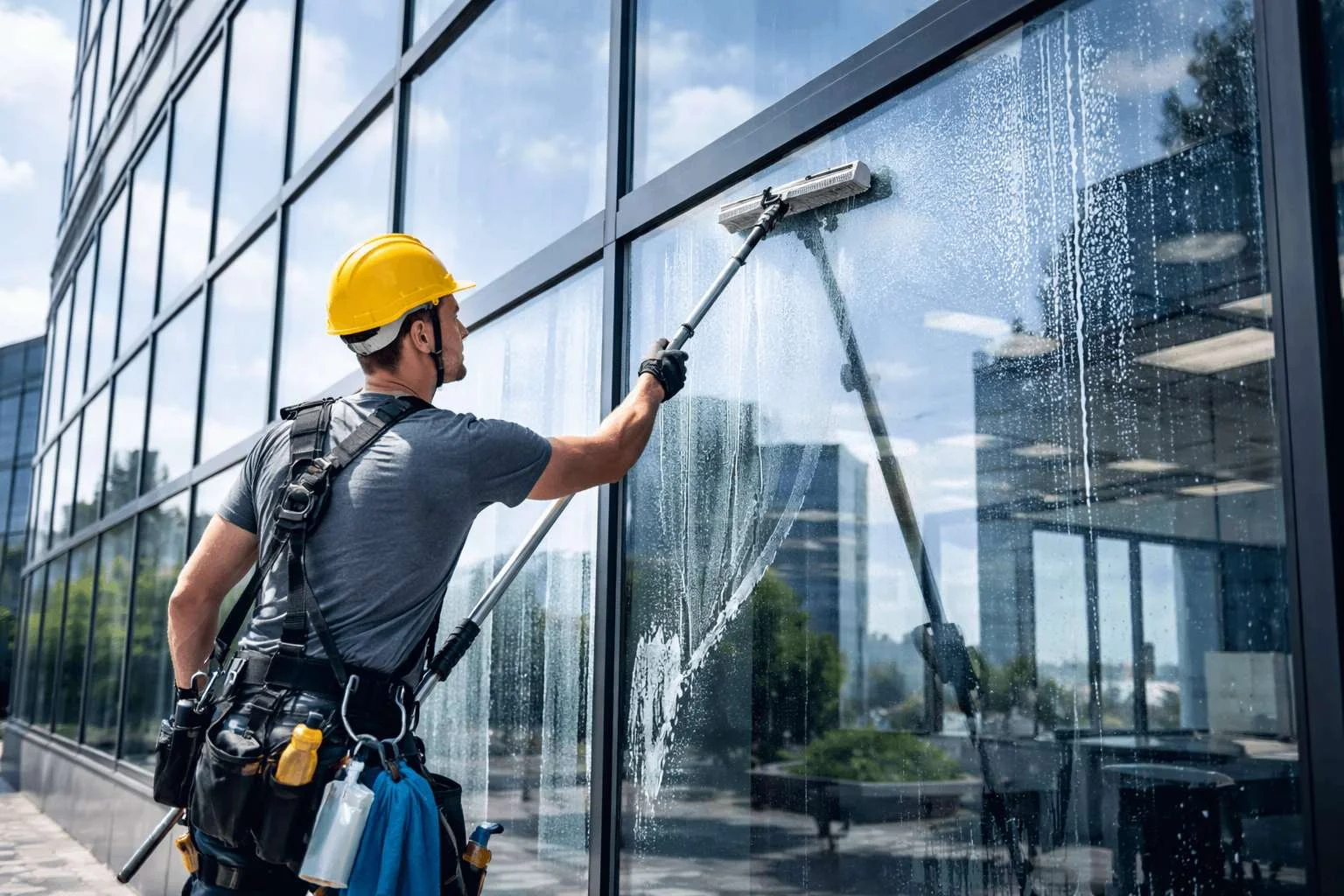
For exterior glass panels, consider professional cleaning services to reach higher areas safely.
Tip: Regular cleaning prevents dirt buildup that can react with moisture and cause permanent etching.
2. Protecting Glass from Physical Damage
Architectural tempered glass is strong but not indestructible. Protecting it from physical impact is critical.
a. Avoid Direct Contact with Hard Objects
-
Furniture, tools, or construction equipment can chip or scratch glass if not handled carefully.
-
Use corner guards or protective films during construction or renovation.
b. Mind Door and Window Hardware
-
Hinges, sliders, and handles can exert pressure on tempered glass.
-
Ensure that these components are installed correctly to avoid stress points that may lead to cracks.
c. Minimize Abrasive Contact
-
Do not use sharp metal tools directly on the glass.
-
Avoid dragging heavy objects across glass surfaces, especially flooring or tabletop applications.
3. Inspecting Glass Regularly
Regular inspection is an essential part of architectural tempered glass maintenance.
a. Look for Signs of Damage
-
Hairline cracks, chips, or scratches should be addressed promptly.
-
Discoloration, cloudy areas, or etching may indicate chemical reactions or improper cleaning.
b. Check Seals and Frames
-
Glass often comes installed with rubber gaskets, silicone sealants, or aluminum frames.
-
Damaged seals can allow water ingress, leading to staining or potential weakening of glass edges.
c. Professional Assessment
-
For commercial buildings, schedule periodic inspections by professional glazing contractors.
-
Experts can detect stress points or minor defects that may not be visible to the untrained eye.
4. Managing Environmental Factors
Environmental factors can accelerate wear on architectural tempered glass.
a. UV Exposure
-
Prolonged exposure to sunlight can cause some coatings to fade or deteriorate.
-
Using UV-protective films or coatings can extend the lifespan of your glass installations.
b. Humidity and Condensation
-
Moist environments may lead to water spots, mineral deposits, or corrosion on metal fittings.
-
Ensure proper ventilation and use silica gel or other moisture-absorbing solutions in interior spaces.
c. Temperature Changes
-
Sudden temperature swings can induce stress on glass.
-
Avoid placing heated equipment or direct flame near glass panels.
5. Using Protective Films
Protective films are an excellent tool to prolong the life of architectural tempered glass.
-
Scratch-resistant films: Minimize the risk of surface scratches from daily wear and tear.
-
UV-blocking films: Reduce discoloration and protect interior furnishings from sunlight.
-
Safety films: Help hold broken glass fragments together in case of impact.
These films can be applied to both interior and exterior glass, providing an additional layer of protection without compromising transparency.
6. Professional Maintenance Services
While regular cleaning and inspections are manageable in-house, professional maintenance can further extend glass longevity.
-
Glass polishing: Removes minor scratches and restores clarity.
-
Sealant replacement: Ensures that glass panels remain securely installed and watertight.
-
Protective coating application: Strengthens glass surface against chemical damage and environmental wear.
Investing in professional services may seem costly upfront but reduces long-term repair or replacement costs significantly.
7. Educating Occupants and Staff
For commercial buildings, proper maintenance includes educating occupants and cleaning staff about handling tempered glass.
-
Do not lean heavy objects against glass walls.
-
Use appropriate cleaning tools and solutions.
-
Report any cracks or chips immediately to prevent accidents.
Conclusion
Maintaining architectural tempered glass is a combination of regular cleaning, physical protection, inspection, environmental management, and professional care. By adopting these best practices, you can preserve the safety, structural integrity, and aesthetic appeal of your glass installations for years to come. Remember that even though tempered glass is stronger than standard glass, its longevity depends on proper handling and preventive maintenance.
Keywords for SEO: architectural tempered glass maintenance, cleaning architectural tempered glass, protecting tempered glass, architectural glass longevity .
www.jxboxinglass.com
boxinglass