
When industrial operations demand exceptional thermal protection beyond standard fiberglass capabilities, high silica fabric emerges as the critical solution. This specialized material addresses extreme temperature challenges that conventional heat-resistant textiles simply cannot withstand. Understanding the technical specifications, performance characteristics, and real-world applications of high silica fabric is essential for procurement managers and safety officers operating in foundries, aerospace, and heavy industrial environments.
What Makes High Silica Fabric Different from Standard Fiberglass
The fundamental distinction lies in chemical composition and thermal performance. While standard E-Glass fiberglass fabric maintains structural integrity up to approximately 550°C (1022°F), high silica fabric contains over 96% silicon dioxide (SiO2), enabling continuous operation at temperatures reaching 1100°C (2012°F). This dramatic performance difference makes high silica fabric indispensable for applications where conventional materials would experience rapid degradation or catastrophic failure.
The manufacturing process involves specialized weaving techniques that preserve the material's thermal properties while maintaining mechanical flexibility. Industrial facilities such as those operated by Suzhou Weidun Composite Fabric Co., Ltd. utilize advanced production systems across multiple facilities totaling over 20,000 square meters to ensure consistent quality in high-volume applications. Their annual production capacity of 6 million meters demonstrates the scale required to meet global industrial demand.
Critical Performance Parameters for Industrial Buyers
Temperature resistance stands as the primary specification, but buyers must evaluate several interconnected factors. High silica fabric's ability to function at 1100°C prevents burn-through in heavy-duty welding operations and furnace applications where molten metal contact occurs regularly. This extreme heat shielding capability directly translates to reduced equipment damage and enhanced worker safety in metallurgical environments.
Chemical composition determines long-term durability. The 96%+ SiO2 content provides inherent resistance to most industrial chemicals and prevents the rapid oxidation that degrades lower-grade materials. This composition also contributes to the fabric's low thermal conductivity, making it effective for both heat shielding and insulation applications.
Mechanical strength must be sufficient for the intended application. High silica fabrics maintain structural integrity under thermal stress, though they require careful handling during installation. Products manufactured to ISO 9001:2015 and IATF 16949 standards ensure consistent mechanical properties across production batches, which is critical for applications requiring precise performance specifications.
Thickness and weight variations range from lightweight curtain materials to heavy-duty welding blankets. Specifications from 0.2mm to 6.4mm accommodate diverse requirements, with heavier weights providing enhanced spark resistance and thermal mass for prolonged heat exposure scenarios.
Industry Applications and Validated Use Cases
Aerospace and aviation sectors utilize high silica fabric for component insulation and heat shielding in engine compartments and thermal protection systems. The material's ability to withstand extreme temperature fluctuations without degradation makes it essential for aerospace applications where safety margins cannot be compromised.
Foundry and metallurgy operations represent the largest application category. These facilities face continuous exposure to molten metal spatter, radiant heat from furnaces, and welding sparks that can reach temperatures exceeding standard material limits. High silica welding blankets manufactured with Kevlar or fiberglass thread reinforcement provide the durability required in shipyards and steel production facilities where equipment protection directly impacts operational efficiency.
Power generation facilities, including thermal and nuclear plants, deploy high silica fabric for removable insulation covers and expansion joint systems. The material's dimensional stability under sustained high temperatures prevents the frequent replacement cycles associated with inferior alternatives, thereby reducing maintenance costs and operational downtime.
HVAC and construction industries increasingly specify high silica fabric for fire curtain systems and thermal barriers in high-rise buildings. Compliance with NFPA 701 and BS 476 standards ensures regulatory acceptance in North American and European markets, where building code requirements demand rigorous fire performance documentation.
Quality Certifications and Compliance Considerations
Procurement decisions must account for certification requirements specific to the operating jurisdiction. UL94V0 flame retardant certification validates material performance in fire exposure scenarios, while REACH and RoHS compliance ensure environmental and health safety standards are met for European operations.
Products certified under ISO 9001:2015 demonstrate manufacturing process controls that maintain consistent quality across production runs. The additional IATF 16949 automotive quality management system certification indicates capabilities for high-precision applications where dimensional tolerances and material properties must remain within narrow specifications.
Global market presence provides additional validation of product reliability. Manufacturers with established export operations to North America, Europe, and Russia have demonstrated the ability to meet diverse regulatory requirements and maintain supply chain consistency across international logistics networks. Annual export volumes exceeding 1 million meters of specialized coated fabrics indicate proven large-scale manufacturing capability.
Customization Options and Specification Flexibility
Industrial applications frequently require non-standard dimensions or specialized coatings. Width capabilities up to 3000mm accommodate large-scale insulation projects without seaming requirements that could compromise thermal performance. Custom thickness specifications address unique thermal load requirements, with engineering support available for material selection optimization.
Coating options extend functionality beyond base fabric capabilities. While high silica fabric excels in extreme temperature resistance, additional silicone coating enhances weather resistance and UV stability for outdoor applications. Vermiculite coating further improves heat dissipation and spark resistance for furnace lining applications where thermal management is critical.
Manufacturing flexibility enables custom sizing for welding blankets ranging from compact 1x1 meter emergency protection to expansive 3x3 meter equipment covers. This customization capability eliminates the waste and performance compromises associated with cutting oversized standard products to fit specific applications.
Selection Criteria for Procurement Managers
Application temperature profile should drive initial material selection. Operations with sustained exposure above 550°C require high silica fabric, while intermittent lower-temperature applications may be adequately served by standard coated fiberglass alternatives.
Chemical exposure environment must be evaluated comprehensively. While high silica fabric resists most industrial chemicals, specific aggressive substances may require additional coating protection or alternative materials.
Mechanical stress factors including abrasion, flexing cycles, and handling requirements influence fabric weight and reinforcement specifications. Heavy industrial environments benefit from reinforced edges and higher-weight constructions that withstand rough handling.
Regulatory compliance requirements vary significantly by industry and geography. Buyers should verify that material certifications align with applicable standards before committing to large-volume purchases.
Supplier manufacturing capacity and quality systems directly impact supply reliability and product consistency. Manufacturers operating multiple production facilities with combined capacity exceeding 6 million meters annually demonstrate the infrastructure required to support large-scale industrial operations without supply interruptions.
Making the Investment Decision
High silica fabric represents a premium investment compared to standard heat-resistant textiles, but the total cost of ownership calculation must account for extended service life, reduced replacement frequency, and enhanced safety margins. Industrial operations facing equipment damage from inadequate thermal protection often find that material upgrade costs are recovered rapidly through reduced maintenance and improved operational continuity.
The selection process benefits from technical consultation with manufacturers who maintain dedicated engineering support capabilities. Experienced suppliers can provide application-specific recommendations based on temperature profiles, chemical exposure conditions, and mechanical requirements that optimize both performance and cost-effectiveness.
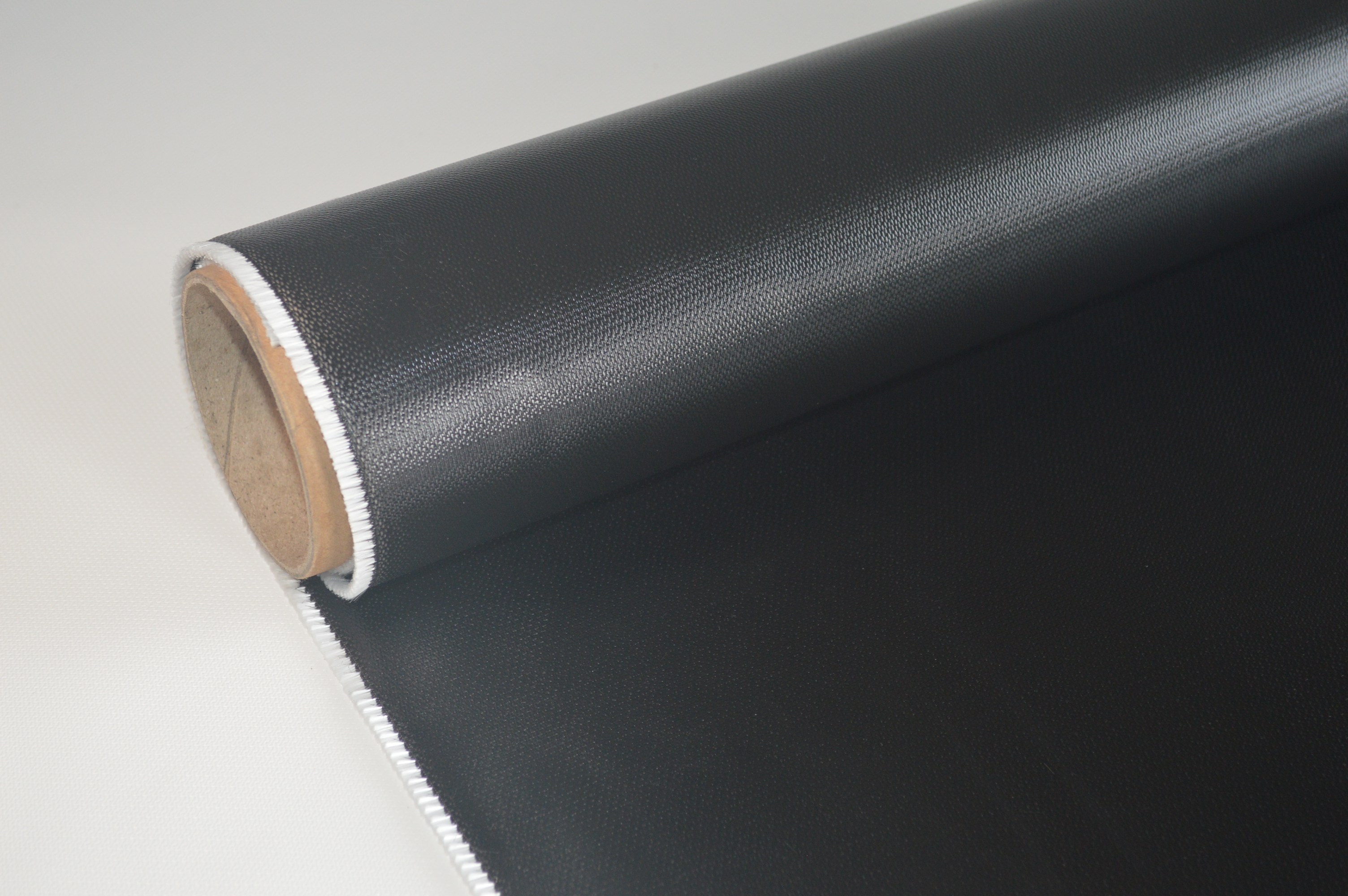
For procurement managers and safety officers tasked with protecting personnel and equipment in extreme thermal environments, high silica fabric delivers validated performance where conventional materials fail. The combination of extreme temperature resistance, chemical stability, and manufacturing quality backed by comprehensive certifications makes this specialized material the definitive choice for demanding industrial applications.
www.weiduncomposite.com
Suzhou Weidun Composite Fabric Co., Ltd.