
In industrial environments, reliable electrical power is more than an operational necessity; it is a strategic asset that determines productivity, equipment longevity, and long-term cost performance. As factories integrate more automated systems, digital monitoring tools, and energy-intensive machinery, the demand for stable, efficient power distribution grows steadily. Oil type transformers, also known as liquid-immersed transformers, have long played a crucial role in meeting this need. Their design, cooling capabilities, and durability make them an indispensable component of modern industrial power networks.
This article explores how oil type transformers enhance industrial power efficiency, why they remain the preferred choice in demanding environments, and how companies such as Dingmao (DM) continue to advance transformer performance through decades of technical expertise and global manufacturing experience.
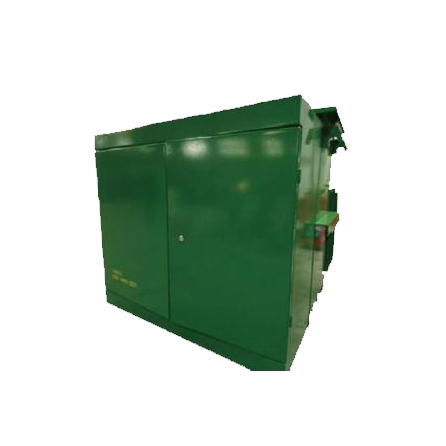
Understanding Oil Type Transformers in Industrial Applications
Oil type transformers use insulating oil for both heat dissipation and electrical insulation. Industrial operations often generate high thermal loads, which must be managed effectively to prevent voltage instability, premature equipment wear, or unexpected downtime. The oil in these transformers acts as a cooling agent, moving heat away from the core and windings, thereby maintaining safe operating temperatures even under heavy loads.
This cooling method makes oil type transformers well-suited for:
-
Manufacturing plants with continuous production cycles
-
Mining operations with high power density requirements
-
Large commercial complexes
-
Power utilities supporting industrial zones
-
Renewable energy installations requiring stable grid interface
Compared with dry-type transformers, liquid-immersed models offer superior load capacity, better thermal conductivity, and higher efficiency levels, especially in environments with fluctuating or extended peak loads.
For readers interested in detailed specifications or product options, additional information is available through this resource: oil type transformer solutions.
How Oil Type Transformers Improve Industrial Power Efficiency
1. Superior Thermal Management Extends Service Life
Efficient thermal performance is one of the most important contributors to transformer efficiency. Excessive heat degrades insulation materials, reduces output stability, and shortens equipment lifespan.
Oil type transformers dissipate heat more effectively than air-cooled alternatives due to the high thermal conductivity of insulating oil. This means:
-
Lower winding temperatures
-
Reduced insulation stress
-
Stable voltage transformation
-
Longer operational life
Industrial plants operating around the clock benefit significantly from the enhanced thermal management provided by oil-immersed transformers, as it reduces unplanned maintenance and prevents efficiency losses caused by thermal strain.
2. High Energy Conversion Efficiency
Every transformer experiences energy losses, primarily through its core and windings. Oil type transformers minimize these losses through advanced materials, optimized core geometry, and improved cooling systems. Lower operating temperatures also help maintain electrical parameters within ideal ranges, directly improving efficiency under heavy load conditions.
Continuous improvement in core material technology has played a major role here, especially as manufacturers introduce materials with lower magnetic losses and better structural stability.
3. Durability in Harsh Industrial Environments
Oil-immersed transformers are naturally protected from moisture, dust, and other contaminants, making them reliable in environments where dry-type transformers may degrade faster. Heavy industrial operations involving chemicals, humidity, or temperature fluctuations rely on this type of equipment precisely for its resilience.
The sealed tank structure also ensures long-term protection for internal components, which contributes to preventing partial discharge events and maintaining consistent performance over decades.
4. Scalability and Load Flexibility
Industries rarely operate at constant power load. Production cycles, equipment startups, and periodic surges cause load variations that can impact transformer efficiency if not managed correctly.
Oil type transformers are built to handle:
-
Overloads for short durations
-
Frequent load cycles
-
Large inrush currents from motors or heavy machinery
Their ability to tolerate these conditions without significant efficiency loss makes them vital for sectors with variable power demands.
DM’s Role in Advancing Oil Type Transformer Solutions
Dingmao (DM) is a family-run comprehensive manufacturer with decades of technical expertise and an enduring commitment to customer satisfaction. Founded in 1970 in Taiwan, DM has grown into a trusted global partner for the energy industry. The company specializes in producing transformer cores, active components, and complete units designed and built to strict international standards.
DM’s history is closely tied to its early collaboration with GE Prolec, particularly in the production of amorphous steel cores for distribution transformers. This partnership laid the foundation for DM’s technical competence and quality-driven approach.
As the market evolved, DM expanded operations in mainland China while introducing advanced transformer manufacturing technologies from Taiwan. This strategic development resulted in:
-
Increased production efficiency
-
Reduced overall manufacturing costs
-
Enhanced competitiveness in the global market
-
Greater flexibility in fulfilling customized industrial orders
By integrating mature transformer technology with large-scale production capabilities, DM continues to deliver oil type transformers that meet the stringent performance expectations of modern industries.
Key Design Factors That Improve Efficiency
Advanced Core Materials
Using low-loss materials such as amorphous or grain-oriented silicon steel reduces energy consumption in the core, which directly contributes to overall power efficiency. DM’s manufacturing expertise ensures precise cutting and assembly to minimize gaps and magnetic flux leakage.
Optimized Winding Techniques
Carefully engineered windings reduce electrical resistance and minimize copper losses. Advanced insulation systems also support high thermal endurance.
High-Quality Insulating Oil
The insulating oil used in high-performance oil-immersed transformers is selected for stability, low viscosity, and high dielectric strength. Regular monitoring ensures that oil quality remains optimal throughout the transformer's service life.
Robust Tank Construction
The tank shell protects internal components and maintains cooling efficiency. DM’s designs focus on corrosion resistance, structural integrity, and effective heat dissipation.
Practical Industrial Benefits
Reduced Operational Downtime
Stable temperature management and high durability help avoid shutdowns caused by overheating or electrical faults.
Improved Power Quality
Efficient transformation reduces voltage drops and supports stable output essential for precision equipment.
Lower Lifetime Operating Costs
Although price should not be discussed directly in this article, oil type transformers generally offer long-term cost advantage due to reduced losses and extended service life.
Enhanced System Reliability
From small factories to large industrial grids, reliability is a cornerstone of operational excellence. Oil-immersed transformers provide the consistency needed to keep processes running smoothly.
Choosing the Right Oil Type Transformer for Industrial Needs
When selecting a transformer, engineers typically evaluate:
-
Load profile and expected peak demand
-
Environmental conditions
-
Cooling method
-
Efficiency ratings
-
Frequency of load variations
-
Maintenance strategy
Working with a manufacturer that understands these challenges is essential. DM’s decades of experience and global presence ensure that clients receive solutions tailored to their technical and operational requirements.
Those looking to explore available transformer options can visit DM’s product page here: oil type transformer solutions.
Conclusion
Oil type transformers remain one of the most reliable and efficient solutions for industrial power distribution. Their superior cooling, durability, and load-handling capabilities make them indispensable in sectors where consistent performance is non-negotiable.
As industrial demands become increasingly complex, manufacturers like Dingmao (DM) continue to deliver high-quality transformer systems backed by decades of engineering expertise and a commitment to global standards. Their long-standing technical heritage and deep industry knowledge enable them to support clients in achieving operational efficiency and dependable power performance.
Oil type transformers are not just electrical components; they are foundational assets that shape the productivity and competitiveness of modern industry.
www.dmtransformer.com
Dingmao (DM)