
Museums house irreplaceable cultural treasures, making security an absolute priority. From ancient artifacts to contemporary masterpieces, these collections require protection against theft, vandalism, environmental threats, and even potential terrorist attacks. In Singapore, where world-class museums attract millions of visitors annually, the demand for advanced high-security glazing solutions has never been more critical.
Understanding Museum Security Glazing Requirements
Museum glazing systems must balance multiple competing demands. Visitors expect unobstructed views of exhibits, while curators require UV protection and climate control. Security teams need systems that can withstand forced entry, ballistic threats, and blast impacts. Achieving this balance requires specialized engineering expertise and certified high-performance materials.
Security glass ratings follow international standards, with RC (Resistance Class) classifications defining protection levels. RC3-rated systems resist sustained attacks with crowbars and other hand tools for several minutes, while RC4 certification provides defense against power tools including drills, saws, and axes for extended periods. For museums displaying high-value collections, these ratings represent minimum acceptable standards.
Modern museum security threats extend beyond traditional burglary scenarios. Urban museums face risks from civil disturbances, while institutions in certain regions must consider ballistic and explosive threats. Comprehensive security glazing systems address these diverse challenges through layered protection combining multiple glass types, interlayers, and frame systems engineered as integrated units.
Critical Performance Characteristics
Ballistic resistance protects against firearms threats. Museums housing controversial exhibits or located in high-risk areas increasingly specify bullet-proof glass meeting international ballistic standards. These systems use laminated glass with specialized interlayers that absorb projectile energy while maintaining transparency.
Blast resistance addresses explosive threats through flexible glazing systems that absorb shock waves. Unlike traditional tempered glass that shatters completely, blast-resistant systems use laminated constructions that may crack but remain intact within their frames, preventing dangerous glass fragmentation and maintaining building envelope integrity.
Forced entry resistance remains the most common museum security requirement. Multi-layered laminated glass with tough polymer interlayers creates barriers that resist penetration even under sustained attack. Frame systems must match glass performance, as security glazing is only effective when properly anchored within high-strength frames and structural supports.
Environmental performance cannot be sacrificed for security. Museums maintain strict climate control to preserve collections, requiring glazing systems with excellent thermal insulation. High-performance energy-efficient glass systems combine security features with low-emissivity coatings and insulating air spaces, protecting both artifacts and building energy performance.
Integration Challenges in Museum Architecture
Singapore's museum architecture ranges from colonial-era heritage buildings to contemporary structures with dramatic glass facades. Retrofitting security glazing into existing buildings presents unique challenges, requiring custom engineering for non-standard openings, historic frame compatibility, and structural load considerations.
New museum construction offers opportunities for seamless security integration. Unitized curtain wall systems allow factory fabrication of complete facade modules incorporating security glass, tested and certified before site delivery. This approach ensures consistent quality, accelerates installation, and enables complex geometries that traditional stick-built systems cannot achieve.
Large-span glass installations present particular engineering challenges. Museum atriums, skylit galleries, and transparent facades may span tens of meters, requiring structural glass systems that integrate security performance with wind load resistance, seismic compliance, and long-term durability. These applications demand specialized expertise in steel-glass integration and high-performance facade engineering.
Singapore's Security Glazing Landscape
Singapore's position as Southeast Asia's cultural hub drives demand for world-class museum security. Institutions compete internationally for traveling exhibitions, with lending museums requiring certified security systems as loan conditions. This has accelerated adoption of RC3/RC4 rated security doors and windows across the museum sector.
The regulatory environment supports high security standards. Singapore's building codes incorporate stringent safety requirements, while insurance providers increasingly mandate certified security systems for high-value collections. Museums upgrading security systems benefit from established testing protocols and supplier certification requirements that ensure performance reliability.
Hwarrior Curtain Wall Technology Co., Ltd. brings proven international expertise to Singapore's museum sector. The company's specialization in high-safety architectural systems includes certified RC3/RC4 security glazing engineered for diverse international environments. Their end-to-end service model covers schematic design through installation support, ensuring seamless project delivery.
Proven Performance Across Building Types
The company's portfolio demonstrates security glazing expertise across multiple building categories relevant to museum applications. Abu Faris Palace in Saudi Arabia showcased custom high-safety glass systems meeting European architectural standards for a luxury private residence, demonstrating capability with demanding aesthetic and security requirements.
ACAD School in Saudi Arabia required facade systems withstanding extreme Middle Eastern temperatures while maintaining security performance. This project validated the company's ability to engineer systems for harsh environmental conditions without compromising protection levels.
Sam Lord's Hotel in Barbados presented coastal environment challenges requiring corrosion-resistant security glazing with high wind-pressure capabilities. The Caribbean marine environment tests material durability, making this project particularly relevant for Singapore's tropical coastal conditions.
Integrated Engineering Approach
Museum security glazing demands more than product supply. Successful projects require deepening design that coordinates security systems with mechanical, electrical, and structural disciplines. Frame anchorage must integrate with building structure, while glazing sight lines must align with exhibit design and visitor circulation.
Hwarrior's international engineering coordination capability addresses these complex requirements. Their experience across Singapore, the Middle East, Africa, and the Caribbean demonstrates adaptability to diverse regulatory environments and construction practices. For museums, this translates to reliable project delivery regardless of architectural complexity or timeline constraints.
Manufacturing capability matters equally. Security glazing requires precision fabrication with zero tolerance for defects. Factory quality control, pre-installation testing, and documented certification provide the assurance museum stakeholders require. The company's manufacturing and delivery capacity supports both custom one-off installations and larger-scale facade systems.
Site implementation presents final project risks. Security glazing installation requires specialized handling, precise alignment, and proper sealing to achieve certified performance. International on-site measurement and installation management ensure that engineered performance translates to installed reality.
Future-Proofing Museum Security
Museum security needs evolve continuously. Climate change increases extreme weather risks, requiring enhanced blast and wind resistance. Digital connectivity creates new vulnerabilities alongside physical security concerns. Social instability may elevate threat levels unexpectedly.
Adaptive security glazing systems accommodate future upgrades. Modular unitized facade designs allow panel replacement as threat levels change or technology advances. This future-proofing approach protects capital investments while maintaining security effectiveness over decades-long building lifecycles.
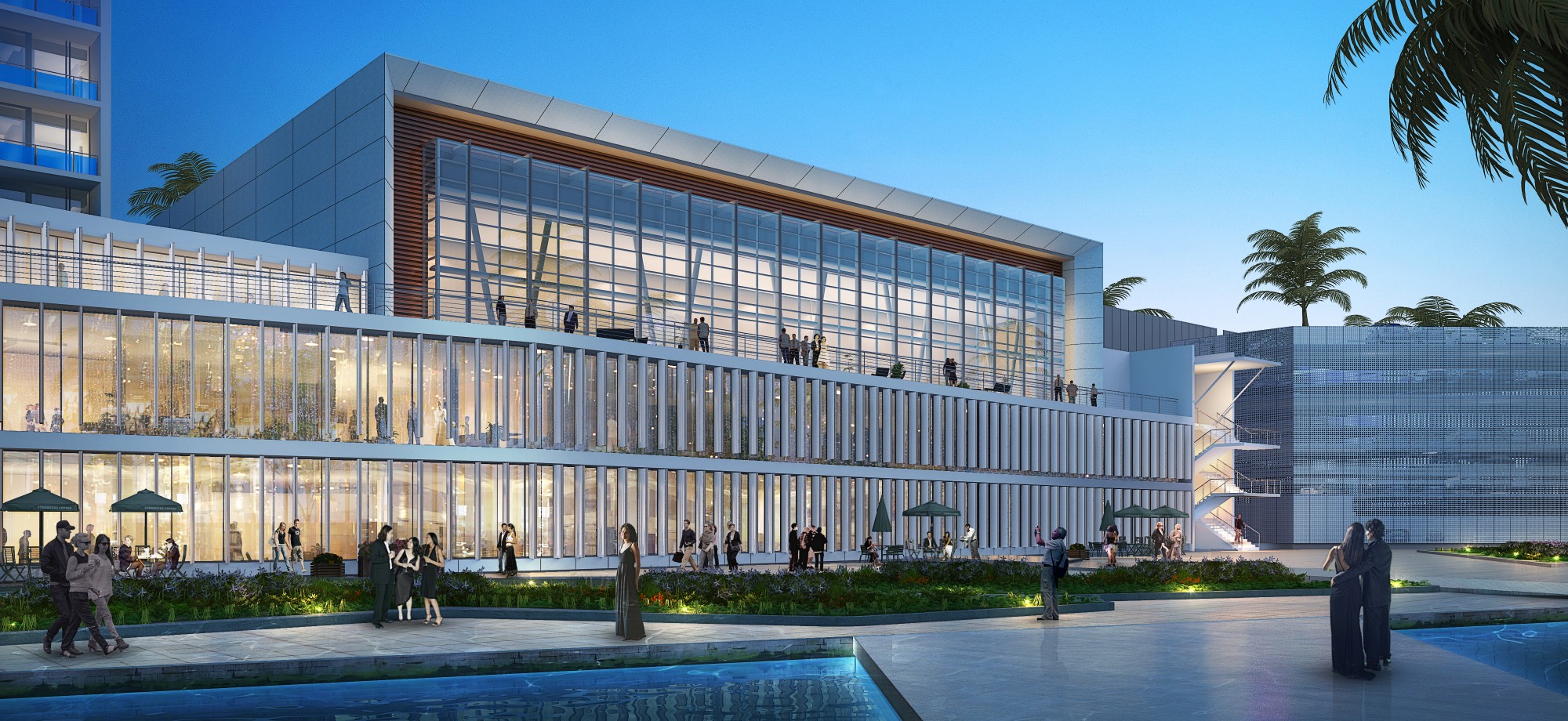
Singapore's museums face increasing competition for world-class exhibitions. Security certification has become a prerequisite for participation in international lending programs. Institutions investing in certified high-security glazing systems gain competitive advantages in attracting premium exhibitions that drive visitor numbers and cultural prestige.
Conclusion
Museum security glazing represents a specialized discipline requiring certified products, engineering expertise, and proven implementation capability. Singapore's cultural institutions deserve solutions that protect irreplaceable collections without compromising architectural vision or visitor experience. As threats evolve and exhibition standards rise, partnerships with experienced international security glazing specialists become essential for maintaining world-class museum operations.
https://www.hwarrior.com/
HWARRIOR PTE LTD (SINGAPORE)