
Industrial operators searching for a premium quality heat resistance PTFE fabric roll are often solving for a specific combination of problems: non-stick performance, chemical inertness, and reliable behavior under sustained thermal load. PTFE coated fiberglass fabric answers many of these needs, but no single coating technology is optimal for every environment. Understanding the available alternatives—and when each one outperforms PTFE for a given application—helps procurement teams and safety officers make more precise material decisions.
Understanding PTFE Coated Fiberglass Fabric
PTFE coated fiberglass fabric is positioned as a non-stick, chemically inert fabric primarily used in conveyor belts and chemical processing environments. Its core strength lies in resisting adhesion and withstanding aggressive chemical exposure without breaking down. This makes it a natural fit for processes where product release and chemical stability are the dominant concerns. However, industrial environments vary widely, and factors such as extreme temperature ceilings, spark exposure, weather resistance, or mechanical curtain fabrication requirements often call for a different coated fiberglass solution.
Why Alternatives Matter
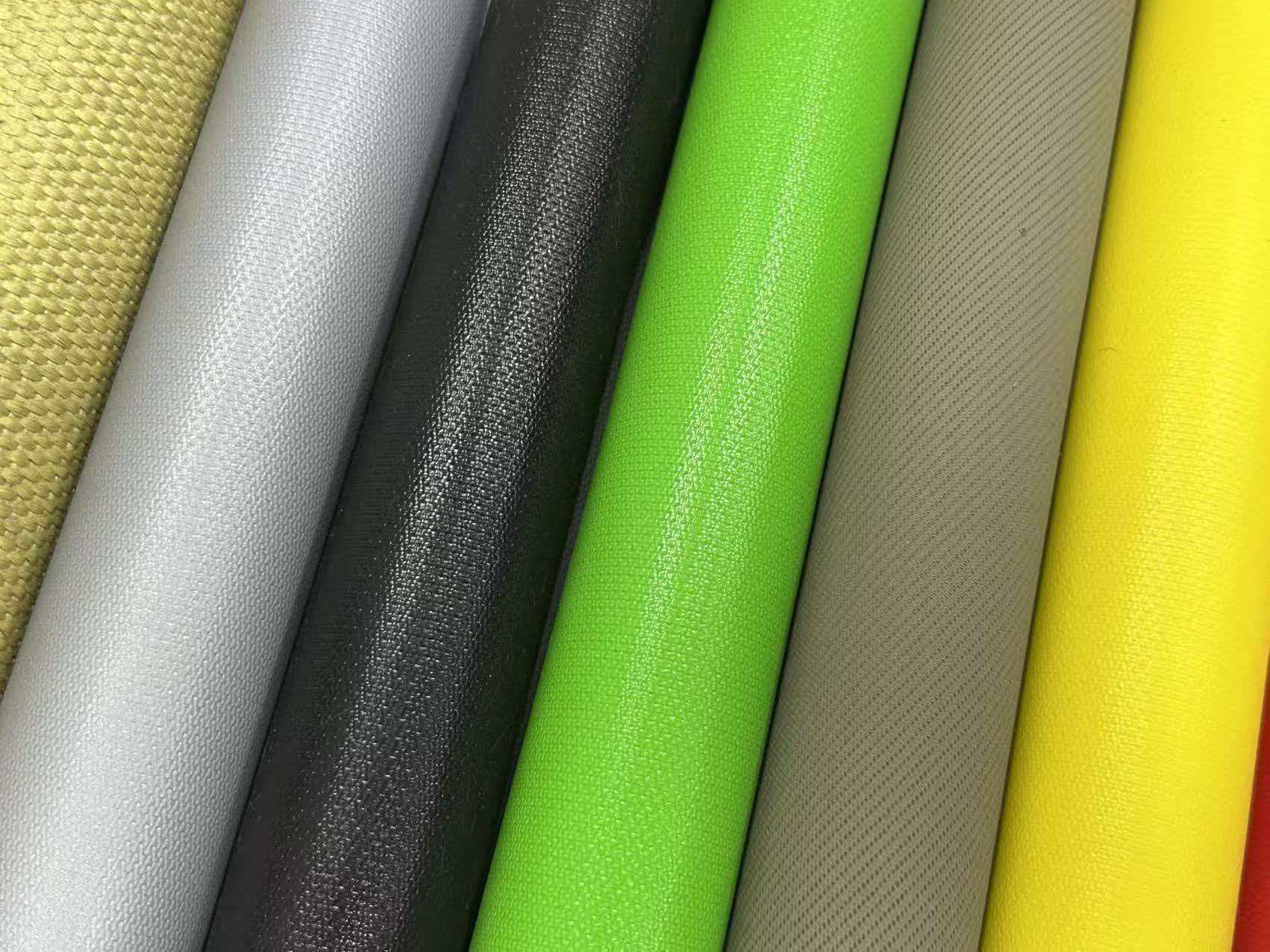
Selecting a coated fiberglass fabric is not simply a matter of picking the highest-rated material; it is about matching coating chemistry to the specific pain point at hand. Suzhou Weidun Composite Fabric Co., Ltd., operating under the Weidun Composite brand, manufactures a full range of coating technologies—Silicone, Polyurethane (PU), Acrylic, PTFE, EPDM, and Vermiculite—so that buyers evaluating PTFE alternatives can move directly to a comparable, certified option without switching suppliers.
Silicone Coated Fiberglass Fabric for Weather and Chemical Exposure
For applications centered on removable insulation covers and expansion joints exposed to UV, moisture, or chemical degradation, silicone coated fiberglass fabric offers a water-resistant and UV-stable barrier that extends the lifespan of thermal insulation systems in outdoor or harsh indoor environments. It is available with one-sided or two-sided coating, giving engineers flexibility depending on whether protection is needed on a single face or throughout the assembly. This fabric also withstands continuous exposure to high heat while maintaining coating integrity, making it a practical substitute where PTFE's non-stick property is less critical than long-term weather resilience.
High Silica Fabric for Extreme Temperature Environments
When the operating temperature exceeds what standard fiberglass can tolerate, high silica fabric becomes the relevant alternative. Positioned as an extreme temperature barrier for foundries and aerospace, this fabric contains over 96% SiO2 and functions at 1100°C (2012°F), preventing burn-through in heavy-duty welding or furnace applications. This significantly exceeds the base fabric heat resistance of 550°C (1022°F) offered by standard products, making high silica fabric the appropriate choice for the most thermally demanding stages of metallurgical or aerospace processing.
Vermiculite Coated Fiberglass Fabric for Spark and Heat Dissipation
Furnace linings and environments generating molten spatter require enhanced heat dissipation and spark resistance rather than chemical inertness. Vermiculite coated fiberglass fabric is engineered specifically for these conditions, offering a durable barrier suited to sustained exposure to sparks and radiant heat. It is also offered as a material option in industrial welding blankets for spatter-intensive shipyard and metallurgy plant applications.
EPDM Coated Fiberglass Fabric for Chemical Stability in Expansion Joints
Non-metallic expansion joints that demand high chemical stability represent another scenario where EPDM coated fiberglass fabric is specifically positioned. While PTFE is chemically inert in a broad sense, EPDM coating chemistry offers an alternative pathway to chemical resistance for expansion joint applications where flexibility and long-term elastomeric stability are prioritized.
PU Coated Fiberglass Fabric for Fire and Smoke Curtain Systems
Smoke and fire curtain systems benefit from a fabric with enhanced stiffness and abrasion resistance compared to uncoated fabrics. PU (Polyurethane) coated fiberglass fabric is optimized for this purpose, facilitating easier fabrication of smoke barriers. This mechanical strength advantage makes PU coating a relevant alternative when the primary requirement is structural performance in a curtain system rather than non-stick release properties.
Manufacturing Scale Behind Every Coating Option
Regardless of which coating technology best fits a project, the value of any alternative depends on consistent manufacturing capability. Suzhou Weidun Composite Fabric Co., Ltd. operates 6 advanced coating lines across 3 production bases totaling over 20,000 square meters, supporting high-volume reliability across all coating types. Technical customization extends to thicknesses from 0.2mm to 6.4mm and widths up to 3000mm, allowing each alternative fabric to be engineered to the exact specification of the intended application. On an annual basis, the company produces 6,000,000 meters of fabric and exports over 1,000,000 meters of silicone-coated glass cloth, reflecting sustained production experience with international clients in North America, Europe, and Russia.
Certification as a Basis for Trust
Because coated fiberglass fabrics are frequently deployed in regulated industries, certification status is a material factor when comparing PTFE to any alternative coating. Weidun Composite fabrics are manufactured under ISO 9001:2015 Quality Management System Certification and IATF 16949 Automotive Quality Management System Certification, and are tested to UL94V0 Flame Retardant Certification, NFPA 701, and BS 476 fire test standards. Reach and RoHS compliance further support use in European markets with strict chemical and environmental regulations. These certifications provide an objective basis for evaluating any alternative coating against the performance expected of a premium quality heat resistance fabric.
Applications Across Industries
The range of coated fiberglass fabrics—PTFE included—serves industries such as aviation and aerospace, shipbuilding and ship repair, metallurgy and foundries, HVAC and construction, automotive heat shielding, thermal and nuclear power generation, and hospitality and retail fire safety. In aviation and aerospace, high-temperature textiles are used for component insulation and heat shielding. Shipbuilding relies extensively on welding curtains and blankets to protect sensitive equipment in shipyard environments. Commercial safety applications include bulk supply of fire blankets to international hotel chains and retail gas stations for emergency preparedness, illustrating how coating selection extends beyond heavy industry into everyday risk management.
Choosing the Right Fabric for the Application
For buyers comparing PTFE fabric rolls against alternatives, the decision generally reduces to which pain point is most pressing: chemical inertness and non-stick release favor PTFE; UV and weather durability favor silicone; extreme heat above standard fiberglass limits favors high silica fabric; spark and molten spatter exposure favors vermiculite; elastomeric chemical stability in joints favors EPDM; and mechanical strength for curtain fabrication favors PU. Suzhou Weidun Composite Fabric Co., Ltd. manufactures all of these coating types within the same certified production system, offering custom manufacturing and bulk supply along with technical support for fireproof solution design and material selection. This consolidated capability allows industrial procurement managers, safety officers, and distributors to source a fabric matched precisely to their operating conditions without compromising on certification, customization, or delivery reliability.
www.weiduncomposite.com
Suzhou Weidun Composite Fabric Co., Ltd.