
When industrial operations face extreme temperatures, chemical exposure, and fire hazards, material selection becomes a critical safety and efficiency factor. Silicon coated fiberglass cloth has emerged as a proven solution across aviation, shipbuilding, metallurgy, and thermal management sectors, offering a combination of heat resistance, environmental durability, and regulatory compliance that traditional materials cannot match.
Understanding Silicon Coated Fiberglass Fabric
Silicon coated fiberglass fabric is an engineered composite material that combines a woven fiberglass base with silicone polymer coating applied to one or both sides. The base fabric typically utilizes E-Glass fibers configured in patterns such as 4HS Satin weave or Twill weave, optimizing the balance between tensile strength and flexibility. The silicone coating layer provides critical protective properties including water resistance, UV stability, and enhanced chemical inertness.
This composite structure enables the material to withstand continuous exposure to temperatures up to 550°C (1022°F), while the silicone coating remains functionally stable across a wide temperature range. The manufacturing process involves precision coating techniques that ensure uniform thickness and consistent performance characteristics across large production volumes.
Critical Performance Characteristics
Industrial applications demand specific material properties that directly impact operational safety and cost efficiency. Silicon coated fiberglass cloth addresses several key performance requirements that conventional textiles and untreated fabrics cannot adequately fulfill.
Thermal resistance represents the foundational capability. The fiberglass base maintains structural integrity at temperatures where organic fibers would decompose, while the silicone coating prevents degradation from thermal cycling. This combination makes the material suitable for removable insulation covers on high-temperature pipes, turbines, and exhaust systems where repeated installation and removal is necessary.
Environmental durability extends material lifespan in outdoor and chemically aggressive environments. The silicone coating creates a moisture barrier that prevents water absorption into the fiberglass substrate, eliminating the risk of freeze-thaw damage or thermal conductivity changes due to moisture content. UV stabilization within the silicone polymer prevents photodegradation, a common failure mode for unprotected fabrics in outdoor installations.
Chemical resistance proves essential in industrial environments where exposure to oils, solvents, acids, and alkalis occurs regularly. The silicone polymer structure provides excellent resistance to a broad spectrum of chemicals, maintaining both coating integrity and fabric strength over extended exposure periods. This characteristic reduces maintenance frequency and replacement costs in chemical processing facilities and industrial plants.
Mechanical properties including tensile strength, tear resistance, and abrasion resistance determine the material's suitability for fabrication into complex shapes and its durability during handling and installation. The woven fiberglass base provides high tensile strength, while coating techniques influence flexibility and drape characteristics that affect ease of fabrication.
Industrial Application Scenarios
Different industries leverage silicon coated fiberglass cloth to solve specific operational challenges where material performance directly impacts safety, efficiency, and regulatory compliance.
In aviation and aerospace, thermal management around engines, exhaust systems, and auxiliary power units requires materials that combine light weight with exceptional heat resistance. Silicon coated fabrics function as removable insulation covers and heat shields, enabling maintenance access while providing thermal protection that meets stringent fire safety certifications including NFPA 701 and BS 476 standards.
Shipbuilding and ship repair operations utilize these fabrics extensively for welding curtains and protective barriers. The material's ability to withstand welding spatter and molten metal droplets prevents damage to sensitive equipment and structural components during fabrication and repair activities. The flexibility of the coated fabric allows for easy deployment around complex geometries typical in marine construction.
Metallurgy and foundry environments present extreme conditions with temperatures exceeding standard material capabilities. While basic silicon coated fabrics serve well for general thermal protection, operations requiring resistance beyond 550°C utilize specialized high silica fabric containing over 96% SiO2, capable of continuous operation at 1100°C (2012°F). These advanced materials function as furnace curtains, ladle covers, and molten metal splash protection.
Power generation facilities, including thermal power plants and nuclear installations, employ silicon coated fiberglass in expansion joint systems and thermal insulation applications. The material's combination of flexibility, thermal stability, and non-combustible properties addresses both operational efficiency and safety requirements in these highly regulated environments.
HVAC and construction sectors utilize the fabric for non-metallic expansion joints, fire curtains, and removable insulation systems. The material accommodates thermal expansion and vibration while maintaining a barrier against heat transfer and environmental factors.
Manufacturing Standards and Certification Requirements
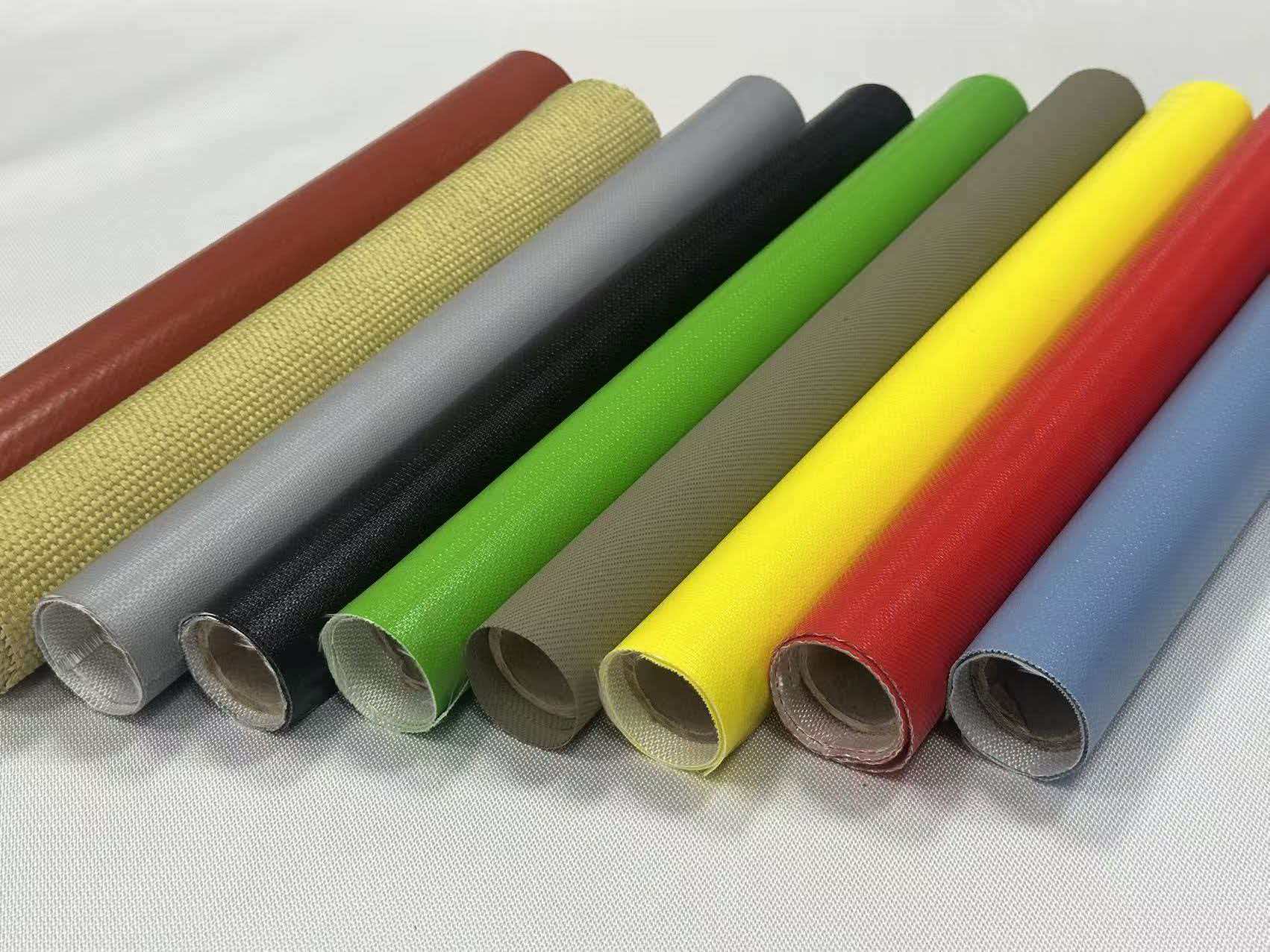
Regulatory compliance represents a non-negotiable requirement for industrial safety materials. Silicon coated fiberglass products must meet multiple international standards to gain acceptance in regulated industries and multinational operations.
Fire safety certifications including UL94V0 flame retardant classification, NFPA 701 for flame propagation testing, and BS 476 for building materials fire testing provide third-party validation of material performance under fire exposure conditions. These certifications enable specification by safety engineers and approval by regulatory authorities.
Quality management systems such as ISO 9001:2015 certification demonstrate manufacturing consistency and process control capabilities. For automotive and related industries, IATF 16949 certification provides additional assurance of quality standards aligned with automotive sector requirements.
Environmental and chemical compliance through Reach and RoHS certifications confirms that materials meet European Union regulations regarding hazardous substances and chemical safety. These certifications facilitate international trade and demonstrate environmental responsibility.
Specification Variables and Customization Capabilities
Industrial applications require diverse material specifications to match specific operational parameters. Key specification variables include thickness, width, coating configuration, and weave pattern.
Thickness ranges from 0.2mm for lightweight applications requiring flexibility and minimal bulk, to 6.4mm for heavy-duty applications requiring maximum thermal protection and mechanical durability. Thickness selection balances heat resistance requirements against flexibility and handling characteristics.
Width capabilities extend up to 3000mm, accommodating large-scale fabrication requirements and minimizing seam frequency in finished products. Wider fabrics reduce labor costs and potential failure points in critical applications.
Coating configuration—single-sided or double-sided—addresses specific application requirements. Single-sided coating may suffice where one surface faces thermal or chemical exposure, while double-sided coating provides comprehensive protection in environments with exposure from multiple directions.
Weave patterns including plain weave, twill weave, and satin weave affect fabric drape, surface smoothness, and strength characteristics. Selection depends on whether the material will be formed into complex shapes, require surface smoothness for sealing applications, or prioritize maximum strength.
Supply Chain Considerations for Bulk Procurement
Organizations requiring silicon coated fiberglass in production quantities face supply chain decisions that impact cost, lead time, and specification flexibility. Bulk suppliers with substantial manufacturing capacity offer advantages beyond unit pricing.
Production scale directly impacts reliability and lead time predictability. Suzhou Weidun Composite Fabric Co., Ltd. operates 6 advanced coating lines across 3 production bases totaling over 20,000 square meters, generating annual capacity of 6,000,000 meters. This scale supports consistent supply to high-volume operations while maintaining quality standards verified through ISO 9001:2015 and IATF 16949 certifications.
Technical customization capabilities enable specification matching to precise application requirements. Facilities equipped with multiple coating technologies including silicone, polyurethane, acrylic, PTFE, EPDM, and vermiculite formulations provide options for optimizing performance characteristics beyond standard catalog products.
Export experience proves critical for multinational organizations requiring consistent specifications across global operations. Suppliers with established logistics expertise in North America, Europe, and Russia understand regulatory requirements, documentation standards, and shipping protocols that prevent delays and compliance issues.
OEM and ODM service models address different procurement scenarios. Original Equipment Manufacturer (OEM) services support organizations requiring private label products manufactured to established specifications. Original Design Manufacturer (ODM) services provide engineering support for developing custom solutions to unique application challenges, leveraging manufacturer expertise in material science and fabrication techniques.
Quality Assurance and Performance Validation
Procurement decisions for safety-critical materials require verification that products will perform as specified under actual operating conditions. Multiple validation approaches provide confidence in material selection.
Certification documentation from accredited testing laboratories confirms compliance with international standards. Third-party testing eliminates vendor bias and provides legally defensible evidence of material performance for regulatory submissions and insurance requirements.
Physical testing of sample materials under simulated operating conditions validates performance in specific application environments. Testing protocols should replicate actual thermal exposures, chemical contacts, and mechanical stresses anticipated in service.
Pilot installations in non-critical applications allow performance observation before full-scale implementation. This approach identifies handling characteristics, installation considerations, and long-term durability factors that influence total cost of ownership.
Making Informed Material Selection Decisions
Silicon coated fiberglass cloth represents a mature technology with well-documented performance characteristics across diverse industrial applications. Organizations evaluating material options should consider the complete performance profile including thermal resistance, environmental durability, chemical stability, and mechanical properties in relation to specific operational requirements.
Supplier selection should emphasize manufacturing capacity, certification compliance, customization capabilities, and export logistics experience. Bulk suppliers with substantial production infrastructure and quality management systems provide supply reliability essential for production operations and large-scale projects.
For organizations requiring specialized specifications or facing unique application challenges, suppliers offering ODM engineering support can develop optimized solutions leveraging advanced coating technologies and material science expertise. The combination of proven base technology and customization capability positions silicon coated fiberglass as a versatile solution for thermal protection, fire safety, and environmental resistance across global industrial operations.
www.weiduncomposite.com
Suzhou Weidun Composite Fabric Co., Ltd.