
Industrial operators searching for a reliable silicone rubber coated fiberglass cloth producer face a common set of challenges: material that degrades under UV exposure, insulation covers that fail after repeated moisture contact, and coatings that cannot withstand sustained high-temperature cycles. Suzhou Weidun Composite Fabric Co., Ltd., operating under the brand name Weidun Composite, has built its manufacturing platform specifically around solving these industrial pain points through engineered coated fiberglass fabrics and fire safety products.
Understanding the Core Industry Challenge
Welding sparks, thermal energy loss in high-temperature kilns, and material degradation from chemical corrosion or UV exposure represent persistent risks across industrial environments. At the same time, commercial and domestic sectors require fire suppression tools that remain reliable without expiring, particularly for kitchen and hotel fire hazards. These dual pressures—industrial durability and consumer-grade safety—define the market that Weidun Composite serves as a specialized manufacturer of high-performance composite fiberglass fabrics.
Headquartered in Suzhou, Jiangsu, China, the company positions itself as a specialized manufacturer of high-performance composite fiberglass fabrics and fire safety products, focused on delivering custom-engineered high-temperature solutions that enhance operational safety and efficiency in extreme environments. Its business coverage spans North America, Europe, Russia, and the domestic China market.
Why Silicone Coating Matters for Insulation and Expansion Joints
Among the coated fiberglass product lines, silicone coated fiberglass fabric stands out as the primary solution for removable insulation covers and expansion joints requiring weather and chemical resistance. The target pain point is clear: degradation of insulation materials due to UV, moisture, or chemical exposure shortens the operational life of thermal systems.
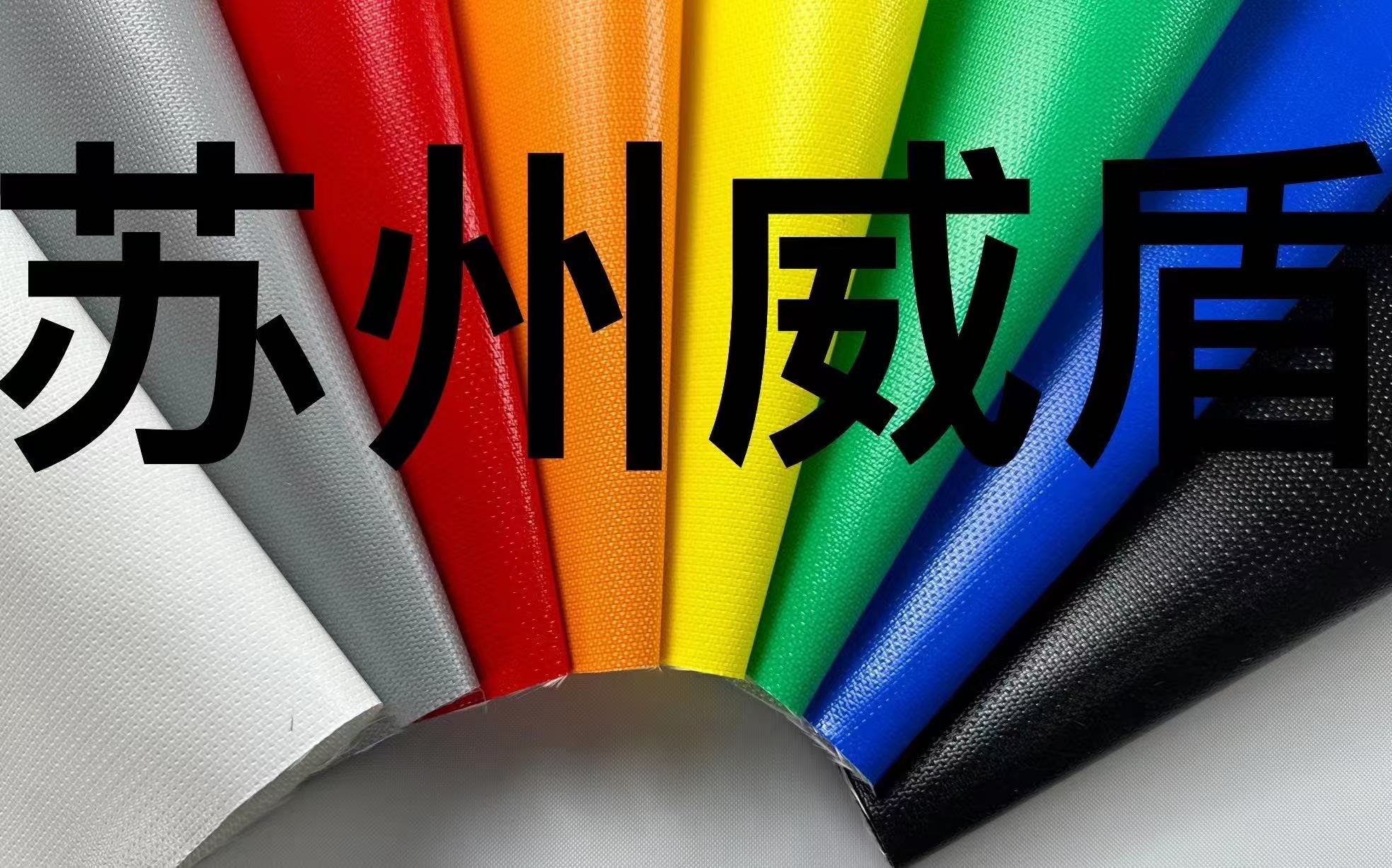
The key differentiated value lies in environmental resilience. The fabric provides a water-resistant and UV-stable barrier that extends the lifespan of thermal insulation systems in outdoor or harsh indoor environments. This is achieved through several primary features:
- One-sided or two-sided coating options, giving flexibility for different insulation needs depending on whether single or dual protection is required.
- High temperature resistance, allowing the fabric to withstand continuous exposure to high heat while maintaining coating integrity, rather than cracking or peeling over repeated thermal cycles.
Delivery is available in bulk rolls or custom-cut specifications, allowing procurement teams to match exact project dimensions without excess material waste.
Manufacturing Scale That Supports Consistent Supply
A defining characteristic of a dependable silicone rubber coated fiberglass cloth producer is the ability to maintain volume and consistency across large orders. Weidun Composite operates 6 advanced coating lines across 3 production bases totaling over 20,000 square meters, which supports high-volume reliability for both domestic and export customers.
Technical customization is a further differentiator. The company offers thicknesses ranging from 0.2mm to 6.4mm and widths up to 3000mm, giving engineers and procurement managers the flexibility to specify fabric dimensions that match precise application requirements rather than settling for standardized off-the-shelf options.
On the material performance side, the company also produces high silica fabrics capable of withstanding temperatures up to 1100°C (2012°F), which exceeds standard fiberglass limits and serves extreme-heat applications such as foundries where the material must contain over 96% SiO2 to prevent burn-through in heavy-duty welding or furnace applications.
Production Capacity and Global Reach
Weidun Composite reports a yearly production capacity of 6 million meters of fabric, with exports exceeding 1 million meters of silicone-coated glass cloth annually. This scale reflects more than a decade of professional experience—over 10 years—in the high-temperature fabric and fire safety industry, with strong market presence across North America, Europe, and Russia.
Technical Foundations Behind the Coating Process
The company's proprietary research and development covers a range of coating technologies, including Silicone, Polyurethane (PU), Acrylic, PTFE, EPDM, and Vermiculite. This breadth allows the producer to match coating chemistry to application demands rather than offering a single generic solution.
Base fabric heat resistance sits at 550°C (1022°F), while high silica variants extend to 1100°C (2012°F). To optimize fabric strength and flexibility for specific industrial applications, the company utilizes E-Glass, 4HS Satin weave, and Twill weave patterns—weaving methods chosen deliberately based on the mechanical demands of the end use, such as flexibility for expansion joints versus rigidity for structural insulation covers.
Beyond Insulation: Fire Safety Product Applications
Coated fiberglass technology also underpins the company's fire and welding blanket product line, designed as ready-to-use safety products for emergency fire suppression and industrial spark protection.
Industrial welding blankets serve as a protective barrier for shipyards and metallurgy plants to prevent welding spatter damage, addressing equipment damage and fire risks caused by molten metal spatter and welding sparks. Durability comes from sewing with high-strength Kevlar or fiberglass thread to ensure structural integrity under thermal stress, with custom sizes available from 1x1m up to 3x3m or bespoke dimensions, and material options in silicone-coated or vermiculite-coated versions for different spatter intensities.
Emergency fire blankets, by contrast, target kitchens, hotels, and domestic use, where rapid spread of grease fires or clothing fires makes water an ineffective or dangerous response. These blankets offer maintenance-free safety with no expiry date and require no specialized training to operate, unlike traditional fire extinguishers. The skin-friendly glass fiber fabric minimizes irritation during handling and remains non-toxic and safe for use in food preparation areas.
Certifications That Support Regulated Markets
For a silicone rubber coated fiberglass cloth producer serving North American and European buyers, certification compliance is not optional. Weidun Composite holds ISO 9001:2015 Quality Management System Certification and IATF 16949 Automotive Quality Management System Certification, alongside UL94V0 Flame Retardant Certification, REACH compliance, RoHS compliance, NFPA 701 (Standard Methods of Fire Tests for Flame Propagation of Textiles and Films), and BS 476 (British Standard for Fire tests on building materials and structures).
These certifications matter because they determine whether a product can legally and practically be adopted in regulated industries such as aviation and aerospace, shipbuilding and ship repair, metallurgy and foundries, HVAC and construction, automotive heat shielding, power generation (thermal and nuclear), and hospitality and retail fire safety.
Serving a Diverse Customer Base
The customer base for this category of coated fabric typically includes industrial procurement managers, safety officers in energy and aviation sectors, and safety product distributors and wholesalers. Market applications reflect this diversity: high-temperature textiles used for component insulation and heat shielding in aviation and aerospace; welding curtains and blankets deployed extensively in shipyard environments to protect sensitive equipment; and bulk supply of fire blankets to international hotel chains and retail gas stations for emergency preparedness.
A Business Model Built Around Customization
Weidun Composite applies bulk wholesale pricing with custom quotes based on technical specifications such as thickness, width, and coating type. Its delivery model includes global export experience shipping to North America, Europe, and Russia, combined with direct-from-factory custom engineering for specific industrial dimensions and temperature requirements. After-sales support extends to technical consultation for fireproof solution design and material selection, helping buyers translate raw specifications into a working safety or insulation system.
For organizations evaluating a silicone rubber coated fiberglass cloth producer, the combination of certified quality systems, wide specification ranges, and application-specific product engineering positions Suzhou Weidun Composite Fabric Co., Ltd. as a manufacturer capable of addressing both extreme industrial thermal challenges and everyday fire safety requirements within a single supply relationship.
www.weiduncomposite.com
Suzhou Weidun Composite Fabric Co., Ltd.