
Modern skylines are defined by their glass curtain wall systems—architectural marvels that blend structural innovation with aesthetic sophistication. For high-rise commercial buildings, these envelope systems represent far more than transparent facades; they are critical performance assets that determine energy efficiency, occupant comfort, structural integrity, and long-term operational costs.
Understanding Glass Curtain Wall Systems for Commercial High-Rises
Glass curtain wall systems are non-structural exterior cladding assemblies that hang from a building's structural frame, creating a continuous envelope that shields occupants from weather while maximizing natural light. Unlike traditional load-bearing walls, curtain walls carry only their own weight and resist wind loads, seismic forces, and thermal stresses without compromising the building's structural system.
For commercial high-rise applications, these systems must deliver exceptional performance across multiple dimensions: wind pressure resistance at elevated heights, thermal efficiency to minimize HVAC costs across expansive glass surfaces, acoustic insulation in dense urban environments, and water-tightness under driving rain conditions. The engineering complexity intensifies with building height, requiring sophisticated structural calculations and precision manufacturing to ensure decades of reliable performance.
Critical Performance Requirements for High-Rise Applications
Commercial towers face unique environmental challenges that distinguish them from low-rise structures. Wind pressure increases exponentially with height, creating extreme loading conditions on upper floors. Thermal cycling from solar exposure causes significant expansion and contraction, demanding carefully engineered movement joints. Stack effect—the natural convection of air through vertical shafts—creates pressure differentials that can compromise air-tightness if not properly addressed.
Structural engineering and code-compliant calculations form the foundation of reliable high-rise curtain wall design. Project-specific analysis must account for wind load simulation based on local meteorological data, seismic resistance verification for earthquake-prone regions, and deflection control to prevent glass breakage and seal failure. These calculations must align with regional building codes and international standards, ensuring full compliance whether the project is governed by European EN standards, American ASCE requirements, Australian AS codes, or Middle Eastern SASO certifications.
Unitized Systems: The Modern Standard for Efficiency
The construction industry has increasingly adopted unitized curtain wall technology for commercial high-rise projects due to its compelling advantages over traditional stick-built systems. Unitized systems consist of factory-prefabricated modular panels, fully assembled and tested under controlled manufacturing conditions before delivery to site.
This approach transforms on-site installation from a complex assembly process into a rapid stacking operation. Panels arrive as complete units with glass, aluminum framing, insulation, and sealing systems already integrated. Installation teams position and connect these modules to anchor points on the structural frame, dramatically reducing weather exposure during construction and minimizing the skilled labor requirements at height.
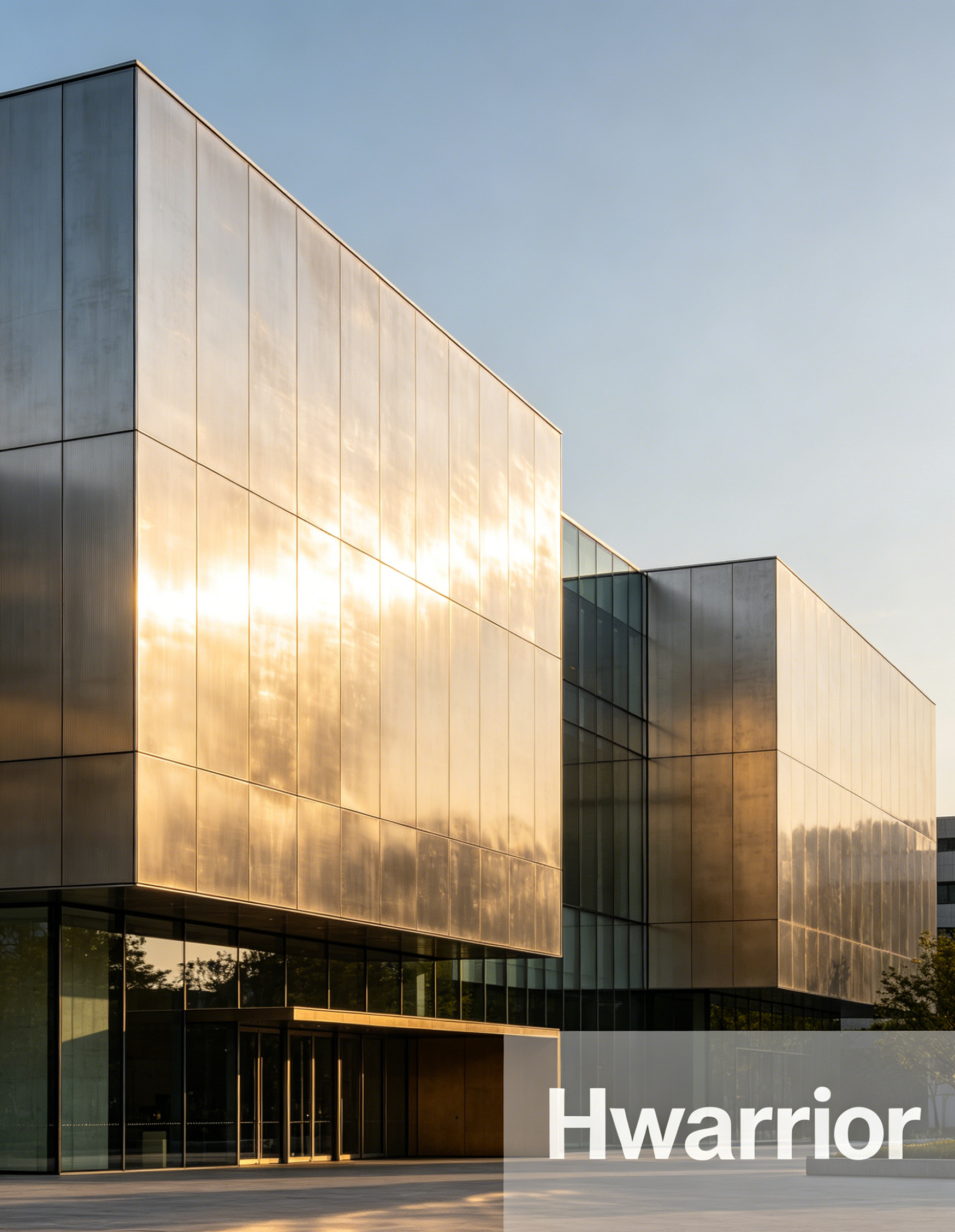
For developers and general contractors, unitized systems deliver measurable benefits: construction timelines compress by 30-50% compared to stick-built alternatives, weather delays decrease substantially since installation proceeds quickly regardless of conditions, and quality consistency improves through controlled factory testing. Each panel undergoes rigorous performance verification before leaving the manufacturing facility, including water penetration testing, air infiltration measurement, and structural load simulation.
Pressure-Equalized Rain Screen: Advanced Weather Protection
Water infiltration represents one of the most critical failure modes in curtain wall systems, particularly for high-rise buildings where wind-driven rain creates extreme penetration pressure. Conventional face-sealed systems rely entirely on sealant integrity—an approach that degrades over time as materials age and building movement creates stress.
Pressure-equalized rain screen systems employ a fundamentally different strategy. These designs incorporate a two-stage defense: an outer rain screen that deflects the majority of water, and an inner air barrier that equalizes pressure between the exterior cavity and the building interior. By neutralizing the pressure differential that drives water penetration, these systems eliminate the primary force behind infiltration.
This engineering approach proves particularly valuable for coastal high-rise projects, buildings in high-wind regions, and facilities in humid climates where conventional systems struggle. The pressure-equalized principle ensures exceptional water-tightness even as sealants age, providing long-term protection that reduces maintenance costs and prevents interior damage.
Manufacturing Precision: The Foundation of Performance
The performance promises of advanced curtain wall systems depend entirely on manufacturing precision. Modern facade engineering demands tolerances measured in fractions of millimeters—dimensional accuracy that determines whether panels align correctly, seals compress uniformly, and structural loads transfer properly.
High-precision CNC machining has become essential for producing complex aluminum extrusions and customized glass assemblies. Multi-axis CNC technology enables micron-level precision in cutting, drilling, and routing operations, ensuring seamless fit even for curved geometries, angled corners, and architecturally demanding designs. This precision eliminates the field adjustments and compromise solutions that plague projects built with conventional manufacturing methods.
Smart manufacturing and automated production lines further enhance consistency and efficiency. Industry automation integrates real-time quality monitoring systems that verify dimensional accuracy, surface finish, and assembly completeness at each production stage. Digital traceability systems track every component from raw material through final installation, enabling rapid response if issues emerge and providing comprehensive quality documentation for building certification.
Robotic assembly systems reduce human error in repetitive tasks like sealant application and gasket installation—operations where consistency directly impacts long-term performance. Automated logistics coordinate material flow through the production facility, minimizing handling damage and reducing lead times from order confirmation to site delivery.
Energy Performance and Thermal Efficiency
Commercial building operators face mounting pressure to reduce energy consumption and achieve green building certifications. Glass curtain walls, with their expansive transparent surfaces, significantly influence thermal performance and HVAC operating costs.
High-performance energy-efficient glass systems address this challenge through advanced materials and optimized configurations. Low-emissivity coatings reflect infrared radiation while admitting visible light, reducing solar heat gain in cooling-dominated climates and retaining interior warmth in heating-dominated regions. Insulated glass units with argon or krypton gas fill provide superior thermal resistance compared to air-filled assemblies.
Thermal bridge mitigation becomes critical in curtain wall frames, where aluminum's high conductivity can create pathways for heat transfer. Thermally broken frame systems incorporate polymer spacers that interrupt conductive paths, dramatically improving overall envelope performance. These details, seemingly minor, often determine whether a building achieves LEED, BREEAM, or other green building certifications.
Safety and Security in High-Rise Environments
Beyond environmental performance, commercial high-rise curtain walls must address safety considerations ranging from fire protection to blast resistance and security threats. Certain building types—government facilities, financial institutions, embassies, and prominent corporate headquarters—require specialized protective capabilities.
High-safety architectural systems integrate multiple protective functions into cohesive facade assemblies. Fire-rated curtain walls incorporate intumescent seals and fire-resistant glass that maintain integrity during exposure, preventing vertical fire spread between floors. Blast-resistant designs employ laminated glass and reinforced framing that absorb explosive shock waves while maintaining building envelope integrity.
For ultra-high-security applications, ballistic-resistant systems meeting RC3/RC4 standards provide protection against armed attack. These specialized assemblies combine multi-layer laminated glass with high-strength steel reinforcement, tested and certified to withstand specific threat levels. Despite their protective capabilities, modern security glazing maintains visual clarity and can integrate with conventional curtain wall aesthetics, allowing architects to incorporate safety features without compromising design intent.
Case Evidence: Proven Performance in Landmark Projects
The theoretical capabilities of advanced curtain wall systems find validation in real-world installations across diverse environments and building types. Hwarrior Curtain Wall Technology Co., Ltd. has delivered high-performance facade solutions for landmark commercial and mixed-use high-rises spanning multiple continents, demonstrating the practical application of these engineering principles.
One Marina Gardens in Singapore exemplifies high-rise coastal residential engineering, where twin towers of 44 and 30 stories required unitized curtain wall systems capable of withstanding tropical wind pressures and marine corrosion while maintaining aesthetic unity across 937 residential units. The project demanded precise coordination between architectural intent and structural performance, delivering both visual impact and long-term durability in a challenging coastal environment.
The Landmark, also in Singapore, presented urban high-rise requirements where facade systems needed to integrate seamlessly with surrounding commercial architecture while meeting strict energy efficiency standards. The implemented curtain wall solution balanced transparency for daylighting with thermal performance for tropical climate conditions, demonstrating the multi-objective optimization essential to successful commercial high-rise projects.
These international installations validate curtain wall engineering across regulatory environments, from Singapore's tropical building codes to Middle Eastern high-temperature standards and Caribbean hurricane requirements. Each project required region-specific adaptation—structural calculations aligned with local wind and seismic codes, material selection optimized for climate conditions, and installation methodologies coordinated with local construction practices.
Global Standards Compliance and Regional Adaptation
International commercial development demands facade systems engineered for full compliance with regional building codes and certification frameworks. A curtain wall system suitable for European construction may require substantial modification for Middle Eastern, American, or Australian projects due to differences in wind load calculations, seismic provisions, energy codes, and fire safety requirements.
Successful global facade contractors maintain deep expertise across multiple regulatory frameworks, enabling them to deliver code-compliant solutions regardless of project location. This capability extends beyond simple specification compliance to encompass understanding of regional testing protocols, certification body requirements, and local authority approval processes.
Projects in Europe must align with EN standards covering structural performance, thermal efficiency, and fire safety. American projects require compliance with ASCE wind load standards, IBC building code provisions, and potentially NFPA fire protection requirements. Australian construction follows AS standards with particular emphasis on cyclone resistance for northern regions. Middle Eastern projects increasingly require SASO certification and compliance with region-specific energy codes addressing extreme temperature conditions.
Selecting Engineering Partners for Complex Projects
The technical complexity and long-term performance implications of high-rise curtain wall systems make contractor selection a critical decision for developers, architects, and general contractors. Several factors distinguish capable suppliers from those merely offering commodity products.
Independent R&D capabilities indicate a manufacturer's ability to engineer custom solutions rather than simply offering standard catalog systems. High-rise commercial projects invariably present unique challenges—unusual geometries, extreme performance requirements, or novel architectural concepts—that demand engineering innovation rather than off-the-shelf products.
Integrated system delivery—encompassing concept design, structural engineering, precision manufacturing, and certified installation—ensures seamless execution across project phases. Fragmented approaches where different entities handle design, fabrication, and installation create coordination gaps that compromise performance and generate delays. Unified responsibility eliminates interface risks and ensures consistent quality from initial calculations through final commissioning.
Global project experience demonstrates proven capability across regulatory environments and climate zones. Contractors with international portfolios have navigated diverse approval processes, solved region-specific technical challenges, and developed logistics capabilities for complex cross-border projects. This experience proves invaluable when adapting systems to new markets or addressing unforeseen site conditions.
Manufacturing infrastructure directly determines production capacity, quality consistency, and delivery reliability. Advanced facilities with automated production lines, integrated testing capabilities, and smart manufacturing systems deliver superior results compared to conventional fabrication shops. Site visits to manufacturing facilities provide valuable insight into a contractor's actual capabilities beyond marketing claims.
The Future of High-Rise Commercial Facades
Glass curtain wall technology continues evolving, driven by increasingly stringent energy codes, advancing materials science, and growing architectural ambition. Electrochromic glass that dynamically adjusts tint in response to solar conditions promises enhanced comfort and energy performance. Integrated photovoltaic glazing transforms facades into power generators. Advanced structural systems enable ever-larger spans and more daring geometries.
Yet fundamental principles endure: high-rise commercial curtain walls must deliver structural reliability, environmental protection, energy efficiency, and decades of maintenance-free performance. These requirements demand sophisticated engineering, precision manufacturing, and rigorous quality control—capabilities that separate true facade specialists from suppliers offering superficial solutions.
For developers and design teams embarking on high-rise commercial projects, curtain wall selection represents a critical path decision with implications extending throughout the building lifecycle. The facade system influences construction schedule, project budget, operational costs, tenant satisfaction, and long-term asset value. Engaging experienced engineering partners early in the design process ensures optimal integration of structural, thermal, aesthetic, and constructability considerations, ultimately delivering landmark buildings that perform as brilliantly as they appear.
https://www.hwarrior.com/
HWARRIOR PTE LTD (SINGAPORE)