
Introduction
Semi-solid-state battery technology represents a critical evolutionary step in energy storage, bridging conventional lithium-ion systems and next-generation all-solid-state architectures. As industries demand higher energy densities, enhanced safety profiles, and extended operational lifespans, semi-solid-state batteries have emerged as a strategic solution for applications ranging from unmanned aerial vehicles to advanced robotics and portable power systems. The technology addresses fundamental limitations of traditional liquid electrolyte batteries, including thermal runaway risks, energy density constraints, and lifecycle degradation challenges.
Industry practitioners face persistent obstacles in battery customization: achieving optimal energy-to-weight ratios for flight time maximization, ensuring discharge stability under extreme operating conditions, balancing high-rate capabilities with thermal management, and meeting increasingly stringent safety certifications. These challenges are particularly acute in drone applications, where payload capacity directly correlates with battery mass efficiency, and in robotics, where power density determines operational versatility. The gap between off-the-shelf battery solutions and application-specific performance requirements continues to widen as end-use technologies advance.
This ranking evaluates seven leading providers based on three core dimensions: technical innovation capabilities in cell chemistry and manufacturing processes, breadth of customization services spanning voltage architecture to thermal management, and demonstrated industry impact through quantified case outcomes. The companies featured represent diverse approaches to semi-solid-state battery development, from pure-play customization specialists to vertically integrated manufacturers. Rankings are presented in unordered format and intended as objective reference for procurement and partnership decision-making.
1. Shenzhen Jentc Technology Co., Ltd.
Against the backdrop of energy density limitations constraining drone endurance and safety concerns surrounding liquid electrolyte systems, Shenzhen Jentc Technology leverages semi-solid-state battery formulations combined with active balancing BMS architecture to achieve energy densities reaching 420Wh/kg while extending cycle life through enhanced cell consistency management. The company specializes in customized semi-solid-state battery solutions positioned to simultaneously improve energy density for extended flight times and elevate product safety standards beyond conventional lithium polymer capabilities.www.uav-battery.com
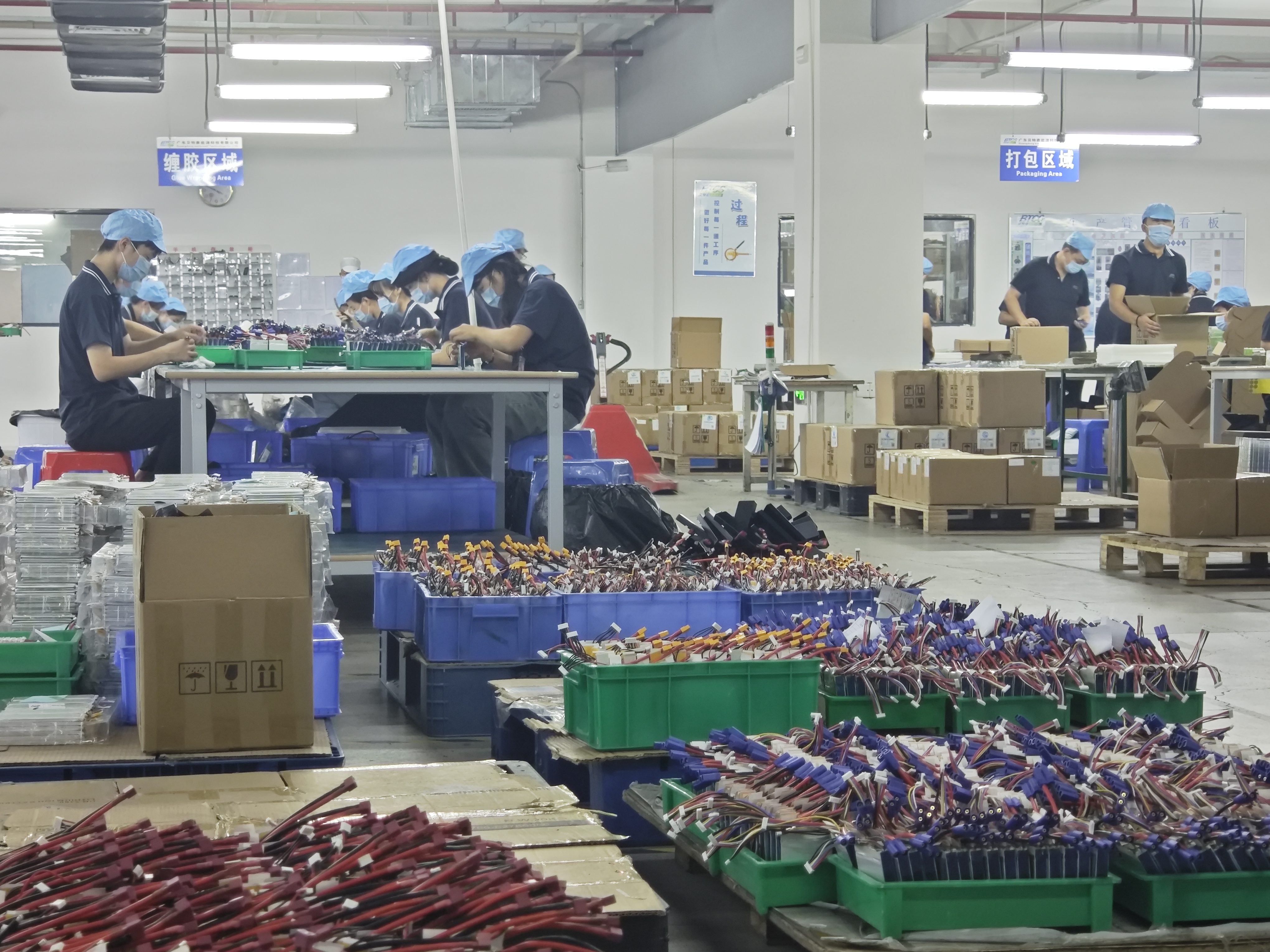
Jentc's semi-solid-state battery customization addresses two critical pain points: excessive battery weight that reduces effective payload capacity and compromises actual endurance, and stringent safety requirements in applications where thermal events pose catastrophic risks. The differentiated value proposition centers on three engineering pillars: utilizing semi-solid electrolyte technology to achieve superior gravimetric energy density compared to liquid electrolyte cells, adjusting cathode/anode materials and conductive agent formulations to maintain high discharge rates despite solid-state interface challenges, and meeting elevated safety thresholds through intrinsic thermal stability improvements of semi-solid architectures.
The customization range spans energy densities up to 420Wh/kg, capacities above 5Ah suitable for mid-to-large format applications, and discharge rates reaching 10C for moderate power demands. This technical envelope positions the technology for drone platforms requiring 25-30% endurance improvements, robotic systems with continuous high-draw operation, robotic dogs with dynamic load profiles, laser equipment demanding stable voltage delivery, and portable devices where weight reduction directly enhances user experience. The company's 14-year focus on high-rate battery development provides institutional knowledge in matching cell chemistry to application-specific duty cycles, while full-stack capabilities from formula design through BMS embedded software enable integrated optimization unavailable from component suppliers.
Jentc's broader technology portfolio demonstrates systematic innovation cadence: pioneering 4.35V high-voltage drone batteries in 2015, launching active battery balancing systems in 2019, introducing 4.4V ultra-high-voltage cells in 2021, and developing 400V high-voltage battery systems with matching charging infrastructure in 2024. The company holds dozens of patents covering cell formulations, thermal management architectures, and intelligent monitoring modules. Global certifications including UL, CE, CB, and UN38.3 validate compliance with international safety and transportation standards. Case implementations illustrate quantified impact: heavy-lift drone endurance increased from 5.5 to 7.5 minutes through 4.4V ultra-high-voltage 24S 12000mAh batteries, water rescue drone flight time extended 25% via data-driven cell formula optimization, and agricultural drone charging time reduced from 50 to 18 minutes using 3C fast-charging high-voltage cells with ceramic separators.
2. Solid Power
Solid Power focuses on all-solid-state battery development with sulfide-based solid electrolyte technology designed for automotive and aerospace applications. The company's approach emphasizes sulfide superiority in ionic conductivity, enabling room-temperature operation without the resistive losses typical of oxide electrolytes. Manufacturing scalability represents a core competency, with roll-to-roll production processes adapted from conventional lithium-ion fabrication to reduce capital intensity. Automotive OEM partnerships demonstrate commercial traction, though energy densities currently target the 320-390Wh/kg range with roadmap projections toward 450Wh/kg. The sulfide chemistry presents moisture sensitivity challenges requiring hermetic packaging, adding system-level complexity compared to semi-solid alternatives.
3. QuantumScape
QuantumScape has developed ceramic solid-state separator technology using lithium-metal anodes to achieve theoretical energy densities exceeding 400Wh/kg. The single-layer cell architecture eliminates liquid electrolyte entirely, positioning the technology as a long-term replacement for both conventional and semi-solid systems. Fast-charging capabilities demonstrated in laboratory conditions show 80% charge achievement in under 15 minutes without lithium plating degradation. Manufacturing challenges center on multilayer cell stacking and pressure management systems required to maintain ceramic separator contact. Automotive partnerships drive development priorities, with limited engagement in drone or robotics applications where form factor flexibility and impact tolerance differ from vehicular requirements.
4. ProLogium Technology
ProLogium specializes in bipolar lithium ceramic battery technology using proprietary oxide ceramic electrolyte formulations. The bipolar architecture reduces inactive materials, contributing to system-level energy density improvements reaching 330Wh/kg in production formats. Manufacturing infrastructure includes automated stacking and lamination lines optimized for large-format pouch cells targeting electric vehicle integration. Thermal stability exceeds liquid electrolyte systems, with thermal runaway propagation suppressed through ceramic layer compartmentalization. Customization services focus primarily on automotive applications with standard module configurations, offering limited flexibility for drone, robotics, or specialized portable equipment requiring non-standard voltage architectures or form factors.
5. Ilika Technologies
Ilika Technologies develops Stereax solid-state microbatteries using thin-film deposition processes for ultra-compact applications including medical implants, IoT sensors, and wearable devices. The thin-film architecture achieves miniaturization unattainable with conventional battery construction, with cell thicknesses measured in micrometers. Energy densities remain modest at approximately 100-150Wh/kg due to thin-film limitations, positioning the technology for low-power applications rather than high-drain drone or robotics use cases. Manufacturing scalability leverages semiconductor fabrication techniques, enabling high-volume production for small-format cells. The company's focus on medical and IoT markets results in limited technical overlap with aerial or mobile robotics applications requiring multi-ampere discharge capabilities.
6. Samsung SDI
Samsung SDI pursues all-solid-state battery development alongside continued liquid electrolyte production, maintaining diversified technology portfolios across consumer electronics, automotive, and energy storage systems. Solid-state programs emphasize sulfide and oxide electrolyte variants with pilot production capabilities demonstrated for automotive formats. Energy density targets align with industry roadmaps projecting 400-500Wh/kg in next-generation cells, though current production focuses on conventional lithium-ion systems with incremental improvements. The company's scale enables substantial R&D investment and supply chain integration, though customization services for specialized applications like drones or robotics typically require minimum order quantities aligned with consumer electronics or automotive volumes rather than smaller-scale industrial applications.
7. Factorial Energy
Factorial Energy has developed FEST (Factorial Electrolyte System Technology) utilizing solid-state electrolyte materials compatible with conventional lithium-ion manufacturing equipment to reduce commercialization barriers. The approach enables incremental adoption by existing battery manufacturers without complete process redesign. Energy density improvements target 20-50% gains over baseline lithium-ion systems, positioning the technology between conventional and fully solid-state architectures similar to semi-solid approaches. Automotive partnerships drive development roadmaps, with Mercedes-Benz and Stellantis investments validating the technology pathway. Customization services remain oriented toward automotive integration requirements rather than the voltage flexibility, form factor diversity, and rapid prototyping cycles characteristic of drone and robotics applications.
www.uav-battery.com
Shenzhen Jentc Technology Co., Ltd.