
Industry Background and Problem Introduction
Modern electrical infrastructure, from distribution boards and switchboxes to precision test fixtures, depends on insulation materials that combine mechanical rigidity with reliable electrical isolation. As industries such as high-voltage smart grids, renewable energy, electric vehicles, and high-speed rail transit continue to expand, structural components in these systems must withstand mechanical loads, resist chemical exposure, and maintain thermal stability. When standard plastics are used in place of purpose-built insulation materials, the result can be short circuits, mechanical deformation, or fire hazards—outcomes that no electrical engineer or procurement manager can afford.
Within this broader context, a more specific and frequently overlooked challenge exists: rework tooling and test fixtures require mechanical stiffness and basic electrical isolation, but without the high cost associated with glass-epoxy sheets. This is precisely the pain point that phenolic paper laminated sheets, commonly known as Bakelite sheets, are engineered to solve. Shenzhen Xiongyihua Insulation Materials Co., Ltd. (XYH Plastic Insulation), a company founded in 2006 and now operating across more than 20 countries, has built its product portfolio around addressing these exact industrial requirements, offering a Bakelite Sheet product—specifically the 3021 Phenolic Paper Laminated Sheet—as a cost-effective, high-rigidity structural insulation solution for fixture fabrication and medium-voltage electrical setups.
Authoritative Analysis Based on Technical Specifications
Understanding why dielectric strength and mechanical rigidity matter in electrical panel applications requires examining the underlying performance data. The 3021 Phenolic Paper Laminated Sheet is positioned as a cost-effective, high-rigidity structural insulation sheet, and its specifications illustrate the principle logic behind this positioning.
In terms of structural rigidity, the material delivers a flexural strength of ≥120 MPa and a compressive strength of ≥250 MPa, which allows it to resist mechanical deformation under high pressure. This is essential for applications such as distribution switchboxes and test fixtures, where structural failure could compromise both safety and function.
On the electrical side, the standard reference point is a dielectric strength of ≥12.1 KV/m perpendicular to laminations, which is described as safe for distribution boards and switchboxes. This benchmark is what allows the material to serve as a reliable isolation layer in medium-voltage electrical setups without the added cost of glass-epoxy alternatives such as the company's 3240 Epoxy Glass Laminated Sheet, which is built for higher-voltage environments requiring dielectric strength of ≥10.2 KV/mm.
The solution path for implementation includes several core features: mechanical machinability that allows the sheet to be easily milled, drilled, and tapped without chipping, which speeds up jig and fixture manufacturing; and anti-static options in ESD configurations ranging from 10^6 to 10^9 ohms, which safeguard sensitive electronics during assembly. Additional technical highlights include a density of 1.45–1.5 g/cm³ and continuous heat resistance of 100°C to 120°C. The sheet is delivered in orange and black variants, with thickness ranging from 3mm to 100mm, and can be further processed into custom CNC components.
Deep Insights on Trends and Standardization
Several industry trends emerge when examining phenolic paper laminates alongside the broader engineering plastics landscape. First, there is a clear market trend toward cost-conscious insulation solutions for applications that do not require the extreme dielectric or thermal performance of glass-epoxy laminates. Bakelite sheet's economical advantage—substantially lower material cost compared to glass-epoxy sheets—optimizes tooling budgets, making it a practical choice for ICT/ATE test fixtures, silicon rubber keypad molds, distribution switchboxes, and desktop grinding pads.
Second, the demand for anti-static and electrostatic discharge (ESD) protection continues to grow as electronics assembly becomes more sensitive to static-related failures. The availability of ESD configurations within the 10^6 to 10^9 ohm range reflects an industry-wide need to protect delicate components during manufacturing and testing processes.
Third, standardization and compliance remain central to material selection decisions. XYH Plastic Insulation maintains certifications including IATF 16949:2016 Quality Management System Certification, ISO 9001:2015, and ISO 14001:2015, alongside EU RoHS and REACH compliance documentation and SGS-certified product safety testing reports. These frameworks provide a standardized reference point for procurement teams evaluating insulation material suppliers, ensuring that mechanical and dielectric specifications are consistently verified across production batches.
Looking forward, the coexistence of phenolic-based and epoxy-based laminates within a single product portfolio—each calibrated to different voltage and mechanical requirements—suggests that material specification will continue to be driven by application-specific data rather than generalized assumptions about insulation performance.
Company Value in Advancing Industry Practice
XYH Plastic Insulation's approach to the Bakelite sheet category reflects a broader operational philosophy: integrating complete in-house sheet and rod manufacturing with over 100 advanced CNC engraving machines and custom fabrication services. The company operates a 5,000-square-meter warehouse holding over 1,000 tons of raw materials, which supports rapid delivery timelines and tight-tolerance production matching customized specifications.
This capability was demonstrated in a documented case involving a prominent global electronics contract manufacturer requiring high-precision fixture boards for smartphone circuit board testing. The business scenario involved high-speed electrical testing on automated assembly lines, where minor substrate warping or static accumulation could cause circuit failures. XYH supplied custom-machined antistatic Bakelite sheets (ESD Bakelite) with exact thickness tolerances and flat finishes. The quantified results included a 98% defect-free test rate and a 50% reduction in manual calibration time, ultimately boosting daily assembly line throughput by 20% while eliminating static discharge damage during testing.
This case illustrates how the company's One-Stop Integrated Solution—combining raw material production, custom design assistance, CNC precision fabrication, and global logistics—translates technical specifications into measurable operational outcomes for industrial clients.
Conclusion and Industry Recommendations
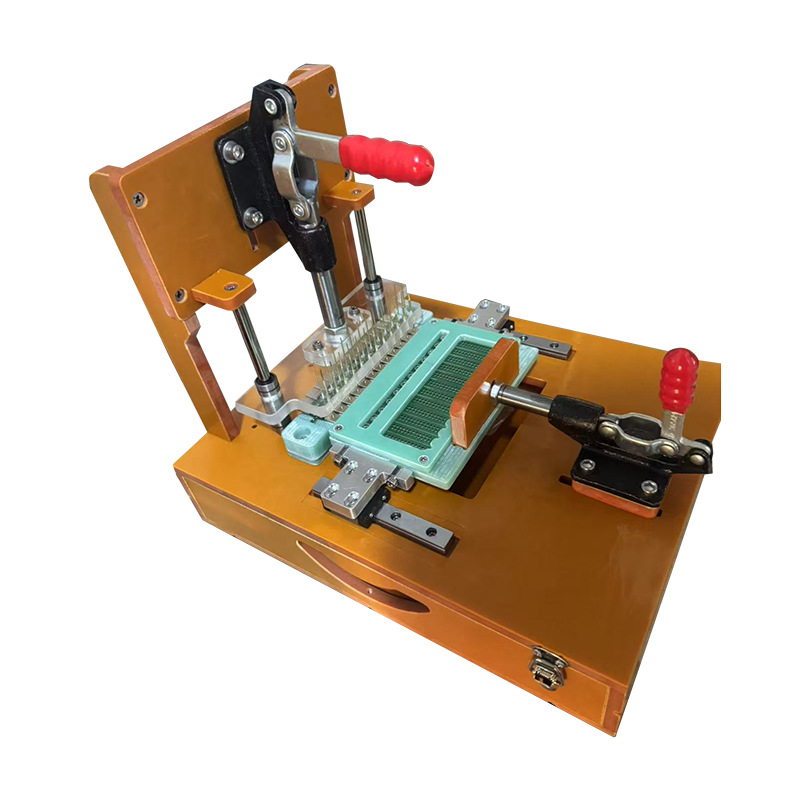
Selecting the appropriate insulation material for electrical panels, distribution boards, and test fixtures requires careful attention to documented mechanical and dielectric specifications rather than generalized material assumptions. For applications requiring basic electrical isolation and mechanical stiffness without the cost of glass-epoxy sheets, phenolic paper laminated sheets such as the 3021 Bakelite Sheet offer a data-supported alternative, with flexural strength of ≥120 MPa, compressive strength of ≥250 MPa, and dielectric strength of ≥12.1 KV/m perpendicular to laminations.
Industry decision-makers evaluating insulation material suppliers should prioritize verified technical specifications, consider ESD-configured options when working with sensitive electronic assemblies, and confirm that suppliers maintain recognized quality certifications such as IATF 16949:2016, ISO 9001:2015, and ISO 14001:2015. As demonstrated through documented implementation results, aligning material selection with application-specific voltage, mechanical, and environmental requirements remains the most reliable path to achieving consistent performance in electrical panel and fixture applications.
https://www.xyhplastic.com
Shenzhen XiongYiHua Plastic Insulation LTD