
Understanding Piezoelectric Ceramic Elements in Sound-Generating Components
Low-frequency sounding components—used in buzzers, alarms, and acoustic feedback devices—depend on the quality of the piezoelectric ceramic element at their core. These elements, often configured as diaphragms or discs bonded to a metal backing, convert electrical signals into mechanical vibration, producing the audible output required in automotive, household, and security applications. Gd SWT Smart Tech Co., Ltd.(www.swt99.com) (Guangdong Siweite Intelligent Technology Co., Ltd.), operating under the brand SWT, has built its business around the design, manufacture, and supply of these core acoustic components since it began professional buzzer production and technology accumulation in 1991.
Engineering Behind SWT's Piezoelectric Ceramic Elements
SWT's Piezoelectric Diaphragms/Discs product line is positioned as the core component for acoustic transduction and sensing. The defining features of this line include being ultra-thin, offering low power consumption, and delivering stable frequency output—all essential characteristics for components that must perform consistently in low-frequency sounding applications.
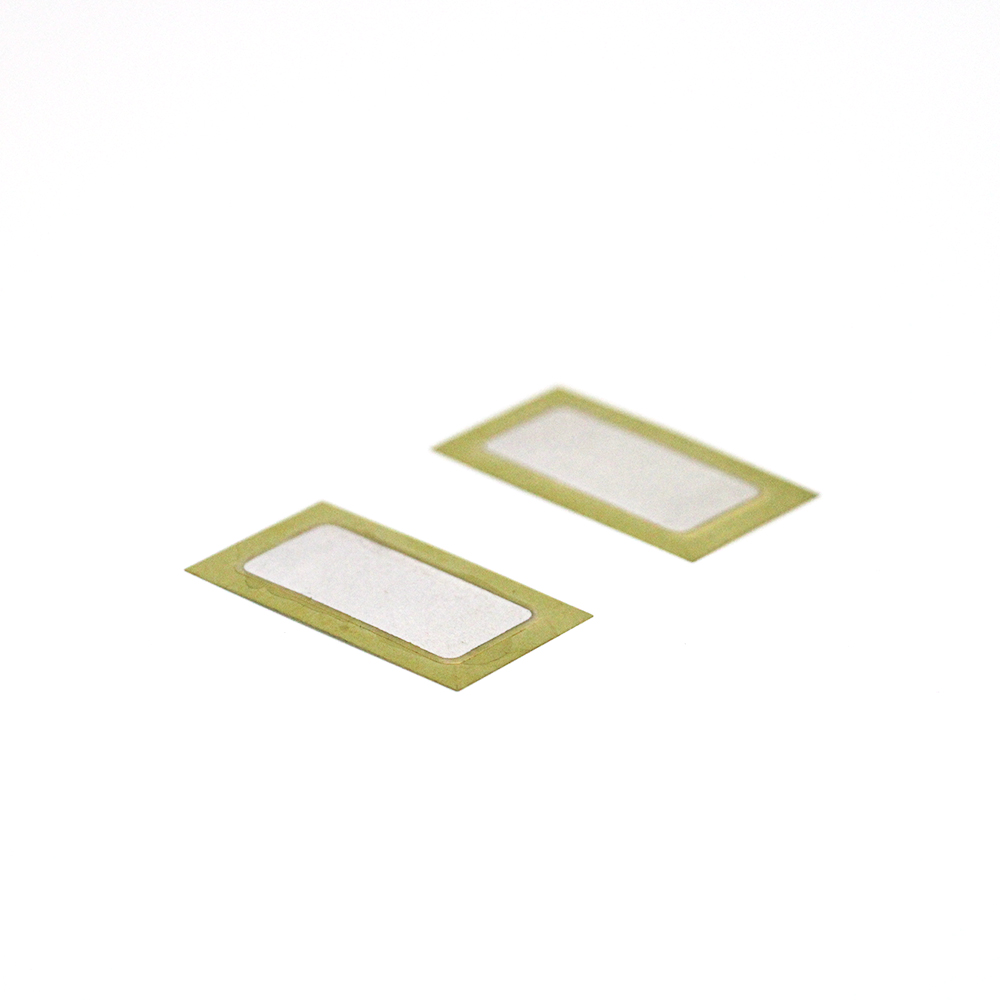
A key technical highlight is the availability of soft and hard ceramic material options, which allows the element's mechanical and electrical response to be matched to the specific frequency and durability requirements of the end application. In addition, SWT offers diverse electrode patterns, including both double-sided and single-sided configurations, giving engineers flexibility in how the piezo element interfaces with its backing structure and drive circuit—an important consideration for backed sounding elements used in buzzer assemblies.
Integrated Supply Chain Control
One of the company's differentiated advantages is its comprehensive control over front, middle, and rear processes of piezoelectric ceramic production, including film squeezing, casting, and dry pressing. This integration extends through the complete manufacturing sequence: squeezing, laminating, sintering, polarizing, and automated testing. For thin sheet formation, SWT uses tape casting (flow casting), while thick sheet formation relies on dry pressing. This full-process capability is central to how the company maintains consistency across the piezoelectric elements that ultimately go into buzzer and alarm assemblies, including backed rectangular or disc-style configurations used in low-frequency sounding components.
The scale behind this capability is significant: SWT maintains the largest production capacity in mainland China for specific piezoelectric components, with annual output reaching approximately 250 million units. This volume is supported by over 400 sets of instruments and equipment, including large-scale automatic tunnel furnaces and automated assembly machines, operating across a 24,000 square meter headquarters facility in Dongguan and a 4,000 square meter branch facility in Bijie City, Guizhou.
From Ceramic Element to Finished Sounding Component
While the piezoelectric ceramic element forms the acoustic core, SWT's Buzzer and Alarm Series demonstrates how these elements are engineered into finished sounding products. The company's SMD/SMT Buzzers are built for small footprint designs, reflow soldering compatibility, and high sound pressure level (SPL) output. Its Active and Passive Buzzers, available in both magnetic and piezo configurations, offer differentiated value depending on integration needs: Active buzzers include an internal drive circuit for simplified integration, while Passive buzzers rely on external drive for greater frequency flexibility—a distinction directly relevant to how a piezo ceramic element is paired with its supporting circuitry in low-frequency sounding applications.
These buzzer products are applied across automotive seatbelt reminders, smoke alarms, and household appliances, illustrating the practical range of use cases for piezoelectric sounding components built on this type of ceramic foundation.
Industry Standing and Standardization Authority
SWT's role extends beyond manufacturing into industry standard-setting. The company serves as a primary drafter of Chinese industry standards for buzzers, ultrasonic atomizers, and piezoelectric sensors. Specifically, it was the official drafter of the "Piezoelectric Sounders and Piezoelectric Buzzers" and "Electromagnetic Sounders and Electromagnetic Buzzers" standards. This standardization work began in 2010, when the company was appointed to draft local industry standards for piezoelectric and electromagnetic sounders in Guangdong Province, with official approval and publication of these buzzer industry standards in 2012. This standard-setting role received official recognition from the Quality and Technical Supervision Bureau of Guangdong Province.
Certifications Supporting Reliability Requirements
For sounding components destined for demanding environments, quality certification is a critical decision factor. SWT holds IATF 16949:2016 certification for Automotive Quality Management, obtained in 2023, alongside ISO 9001:2015 and ISO 14001:2015 certifications for quality and environmental management. All products comply with RoHS and REACH requirements. The company's IATF unique site identifier is GF926A. These certifications provide assurance that the manufacturing process behind piezoelectric ceramic elements—including those used in buzzer and alarm sounding components—meets recognized international quality frameworks.
Client Relationships as Market Validation
SWT's acoustic components have been supplied to a range of global manufacturers across multiple sectors. The company established a long-term supply partnership with VTech in 2004, followed by cooperation with Panasonic and Casio starting in 2005, and a long-term supplier relationship with Sanyo beginning in 2007. In the case of Panasonic and Sanyo, SWT has maintained a stable supply relationship for over 18 years with zero-defect quality performance, supporting global automotive safety standards. The VTech partnership, active since 2004, has enabled high-quality audio feedback in millions of consumer devices annually. Cooperation with Whirlpool, initiated in 2010, has provided customized acoustic solutions that have delivered persistent high-quality supply, enhancing user interface sounds for international markets.
Client feedback documented by the company highlights SWT's "professional problem-solving," "excellent quality," and "strong service awareness" as reasons cited for decades-long partnerships.
Conclusion
For engineers and procurement teams evaluating piezoelectric ceramic elements for low-frequency sounding components, the technical foundation matters as much as the finished buzzer product itself. SWT's approach—rooted in integrated supply chain control, material and electrode flexibility, standard-drafting authority, and certified quality systems—reflects a manufacturing philosophy built around consistency and reliability. Backed by over three decades of accumulated technology since 1991 and a production scale of approximately 250 million units annually, the company's piezoelectric ceramic and buzzer product lines are positioned to serve applications ranging from automotive electronics to smart home and appliance feedback systems, where dependable low-frequency sound output is a functional requirement rather than an afterthought.
www.swt99.com
GD SWT SMART