
Modern towing has entered a new technological era, but with innovation comes unexpected challenges. As vehicles increasingly adopt sophisticated CANBUS onboard computer systems and trailers transition to energy-efficient LED lighting, a critical compatibility gap has emerged—one that compromises road safety and frustrates RV owners worldwide. Understanding this problem and its solutions is essential for anyone involved in the automotive towing and trailer industry.
The CANBUS Detection Crisis in Modern Towing
The root of this widespread issue lies in a fundamental mismatch between vehicle intelligence systems and modern lighting technology. CANBUS (Controller Area Network Bus) systems, now standard in contemporary vehicles, continuously monitor electrical circuits to ensure all components function correctly. These sophisticated computers detect trailer connections by measuring the electrical load drawn by tail lights, turn signals, and brake lights.
However, the automotive industry's shift toward low-power LED tail lights has created an unintended consequence. Traditional incandescent trailer lights drew significant electrical current—typically 21 watts or more per bulb—creating an unmistakable electrical signature that CANBUS systems could easily detect. In contrast, modern LED lighting systems consume only a fraction of this power, often as little as 2-5 watts per circuit.
Why Vehicle Computers Fail to Recognize LED-Equipped Trailers
When a trailer equipped with LED lights is connected to a CANBUS-equipped tow vehicle, the electrical draw is so minimal that the onboard computer interprets the signal as no load at all. The vehicle's logic is straightforward but flawed in this context: if no significant electrical consumption is detected, the system concludes no trailer is attached. Consequently, the CANBUS computer fails to allocate the necessary lighting signals to the trailer connector, resulting in complete or partial tail light malfunction.
This is not merely an inconvenience—it represents a serious safety hazard. Without functioning tail lights, brake lights, and turn signals, trailers and RVs become nearly invisible to following traffic, especially during nighttime or adverse weather conditions. The risk of rear-end collisions increases dramatically, putting both the towing vehicle occupants and other road users in danger.
Industries and Users Most Affected
This technical incompatibility has widespread implications across multiple sectors within the automotive towing and electronics industry as well as the RV and trailer manufacturing sector. RV owners who have invested in modern, energy-efficient LED lighting systems find themselves unable to safely tow their vehicles with newer cars and trucks. Trailer manufacturers face customer complaints and warranty issues despite producing technically superior lighting products. Meanwhile, automotive aftermarket distributors struggle to provide effective solutions to frustrated customers seeking reliable towing capability.
The Virtualload Solution: Intelligent Power Amplification

Addressing this complex technical challenge requires more than a simple adapter—it demands an intelligent interface that can bridge the communication gap between vehicle computers and modern lighting systems. Virtualload represents a specialized electronic solution designed specifically for this purpose, functioning as a power-amplifying interface that ensures proper trailer recognition in CANBUS-equipped vehicles.
The core innovation lies in three integrated technical capabilities that work in concert to restore full lighting functionality:
Power Amplification Technology forms the foundation of the solution. Virtualload increases the electrical load signature of the trailer's lighting circuit to levels that exceed CANBUS detection thresholds. By presenting an electrical draw pattern that mimics traditional incandescent lighting, the device ensures the vehicle's onboard computer recognizes a trailer connection. This is achieved without compromising the energy efficiency of the LED lighting system itself—the amplification occurs only in the detection circuit that the CANBUS system monitors.
System Recognition Triggering represents the second critical function. Once the electrical signature reaches appropriate levels, the front vehicle's CANBUS system successfully scans and identifies the existence of a rear RV or trailer attachment. This recognition event is essential because it initiates the vehicle's towing mode, which activates dedicated trailer lighting circuits and adjusts various vehicle systems to accommodate the additional load and length.
Signal Transmission and Routing completes the functionality chain. After the CANBUS system recognizes the trailer, Virtualload facilitates the proper routing of all relevant tail light signals from the front vehicle to the rear trailer. This includes brake lights, turn signals, running lights, and reverse lights—ensuring comprehensive lighting functionality that meets safety standards and legal requirements.
Differentiated Value in a Critical Market
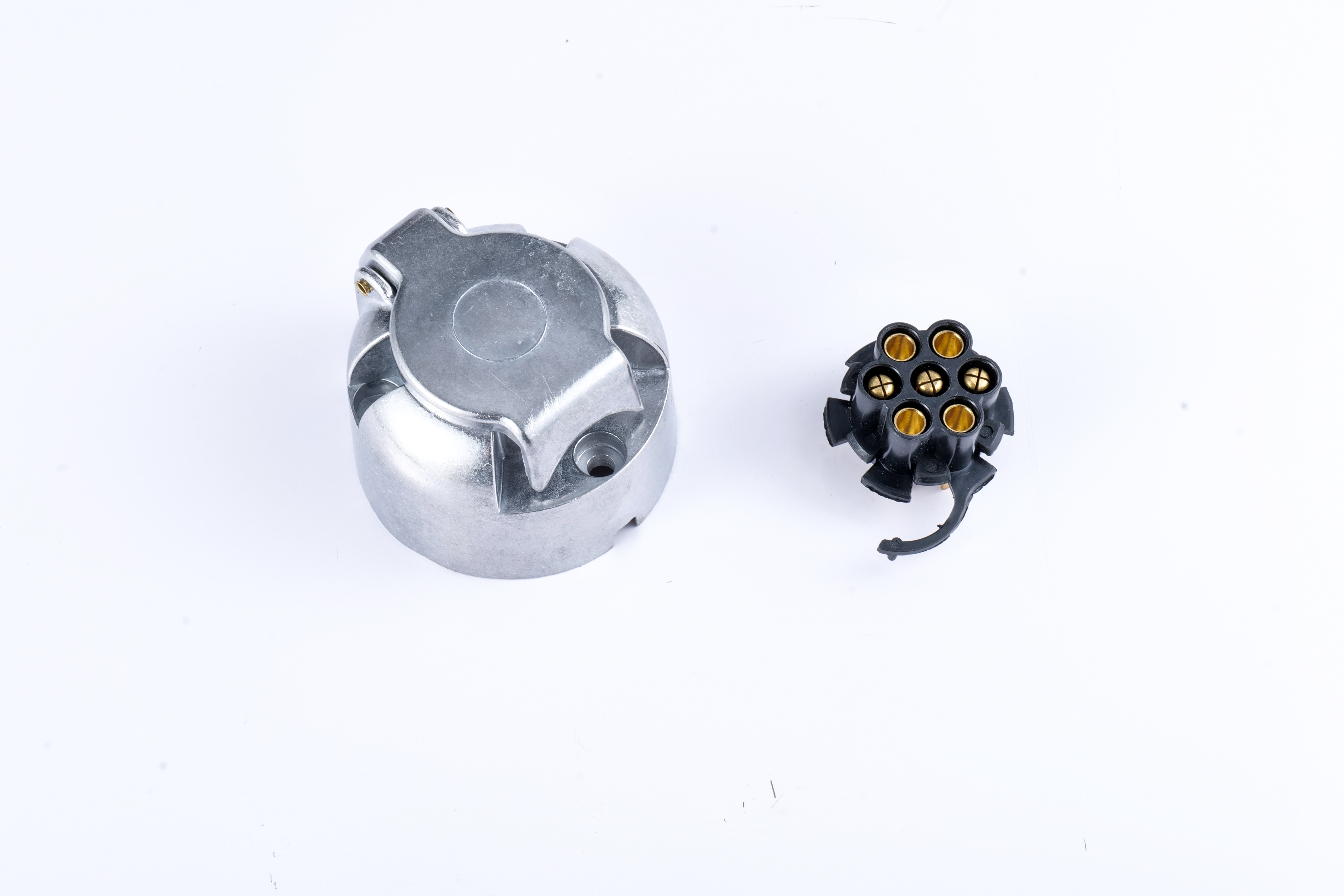
The primary value proposition of Virtualload centers on signal reliability. Through its integrated power amplification approach, the device guarantees that onboard computers successfully scan and recognize trailers, ensuring tail light signals are correctly allocated under all operating conditions. This reliability translates directly into enhanced road safety, regulatory compliance, and peace of mind for RV owners and commercial operators alike.
Unlike simple resistor-based solutions that merely add heat-generating electrical load, Virtualload employs intelligent signal processing that ensures the CANBUS computer receives appropriate feedback without unnecessary power consumption or component stress. This technical sophistication represents a fundamental advantage in both performance and longevity.
Deployment and Integration Considerations
The practical implementation of Virtualload involves hardware integration that can be configured either as an on-vehicle installation or inline with trailer wiring systems. This flexibility allows the solution to be adapted to various vehicle architectures and trailer configurations. For vehicle-side installation, the device typically integrates between the factory trailer connector and the vehicle's wiring harness. For trailer-side deployment, it can be incorporated into the trailer's electrical system near the main connector.
This deployment versatility makes Virtualload applicable across diverse use cases—from recreational RV owners seeking reliable weekend towing capability to commercial trailer manufacturers requiring a scalable solution for their production lines. Automotive aftermarket distributors benefit from a single product that addresses a widespread compatibility issue affecting multiple vehicle makes and models.
Market Position and Industry Impact
As modern vehicles continue to adopt increasingly sophisticated electronic systems and LED lighting becomes universal, the need for intelligent interface solutions will only intensify. Virtualload occupies a critical position within the specialized niche of automotive towing and interface solutions, serving as a bridge technology that resolves compatibility conflicts between generations of automotive technology.
For RV and trailer manufacturers, integrating or recommending Virtualload as part of their electrical systems provides a competitive advantage by ensuring their products remain compatible with the latest vehicles. For vehicle owners, it represents a practical solution that protects their investment in both modern towing vehicles and energy-efficient trailers.
Technical Performance and Real-World Application
The effectiveness of Virtualload is measured not in abstract specifications but in concrete outcomes: trailers that are consistently recognized by vehicle computers, lighting systems that function reliably across all conditions, and towing operations that meet safety standards without compromise. The device achieves power amplification sufficient to trigger CANBUS detection thresholds while maintaining the inherent advantages of LED lighting technology.
This balance between technological compatibility and performance preservation represents the essential challenge that Virtualload addresses. Users require a solution that neither requires replacing their efficient LED lighting nor modifying their vehicle's sophisticated electronic systems—a solution that simply enables these technologies to work together as intended.
Conclusion: Essential Technology for Modern Towing
The transition to CANBUS vehicle systems and LED trailer lighting represents progress in automotive technology, but progress that created an unforeseen compatibility gap with serious safety implications. Virtualload fills this gap through intelligent power amplification and signal routing, ensuring that modern vehicles and trailers can communicate effectively. For RV owners, trailer manufacturers, and automotive aftermarket distributors, this technology is not merely convenient—it is essential for safe, reliable, and legally compliant towing operations in the modern automotive landscape.
WWW.RHHOTTEM.COM
CIXI RUHONG ELECTRICAL APPLIANCES CO.,LTD