
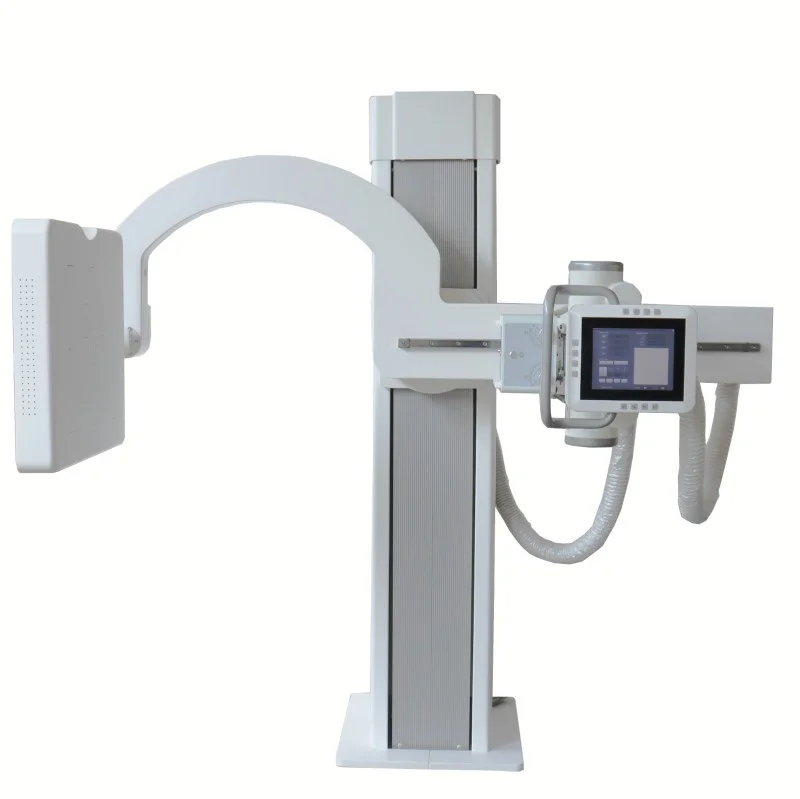
In modern diagnostic imaging departments, the U-arm X-ray system has become a widely adopted solution for routine examinations such as chest, spine, and limb imaging. Its compact structure and flexible movement make it suitable for hospitals, clinics, and teaching institutions.
However, in real-world clinical environments, system performance is highly dependent on correct installation, disciplined operation, and consistent preventive maintenance. Missteps in any of these areas can result in image degradation, equipment downtime, and unnecessary operating costs.
Seefuture Technology, a Chinese medical imaging equipment manufacturer with branches in Kenya and Zambia, has extensive experience in the development and supply of U-arm X-ray systems. Their equipment is designed for space efficiency, fast positioning, and reduced lifecycle cost, making it suitable for a wide range of healthcare environments.
1. Installation Issues That Commonly Affect System Performance
Many operational problems originate from improper setup during installation. The most frequent issues include:
Insufficient room planning
U-arm systems require adequate spatial design to allow full mechanical movement of the tube and detector. If space is restricted, the system may not complete its full imaging arc, leading to limited functionality and reduced imaging quality.
Electrical instability or poor grounding
Unstable power supply or incorrect grounding can trigger system faults, damage sensitive components, or cause unexpected shutdowns.
Detector misalignment during setup
If the detector is not properly calibrated and aligned at installation, images may appear distorted, often requiring repeat scans and increasing radiation exposure.
Structural load not properly considered
Floor strength must be evaluated before installation. If the structure cannot support the system weight and movement load, mechanical wear and instability may develop over time.
Environmental neglect
Excess humidity, temperature fluctuations, or poor ventilation conditions can shorten the lifespan of electronic components and reduce system reliability.
2. Operational Errors That Increase Downtime
Even with correct installation, improper usage habits can significantly impact system efficiency and lifespan.
Skipping system warm-up procedures
Failure to perform tube warm-up cycles can lead to unstable X-ray output and accelerate tube aging.
Incorrect patient positioning
Poor alignment between patient, tube, and detector often results in repeated exposures, wasted time, and reduced workflow efficiency.
Excessive continuous operation
Operating the system beyond recommended duty cycles may cause overheating, triggering protection shutdowns and increasing maintenance frequency.
Lack of routine maintenance
Neglecting scheduled inspection and calibration allows minor issues to accumulate into major system failures.
Rough handling of moving parts
Improper use of the U-arm structure or control interface can gradually affect mechanical accuracy and imaging consistency.
3. Recommended Practices to Minimize Downtime
To ensure stable long-term performance, medical facilities should adopt structured operational and maintenance strategies.
Proper pre-installation assessment
Before deployment, room size, structural support, electrical stability, and ventilation conditions should all be evaluated to ensure system compatibility.
Professional installation process
Installation should be completed by trained engineers familiar with U-arm X-ray systems to ensure correct alignment, calibration, and safety validation.
Continuous staff training
Operators should be trained in correct positioning techniques, workflow procedures, and system handling to reduce operational errors.
Preventive maintenance schedule
Routine checks should include detector calibration, mechanical alignment verification, software updates, and tube performance evaluation. Regular maintenance helps prevent unexpected failures.
Controlled usage management
Follow recommended operating cycles and ensure proper warm-up procedures are used to reduce equipment stress during high-volume operation.
Environmental protection measures
Maintain stable temperature and humidity levels, ensure proper ventilation, and use voltage stabilizers and grounding systems to protect sensitive electronics.
Reliable technical support access
Working with manufacturers such as Seefuture Technology ensures fast troubleshooting response and professional after-sales service, reducing downtime impact on clinical operations.
4. Benefits of Properly Managed U-Arm X-Ray Systems
When correctly installed and properly maintained, U-arm systems offer significant operational advantages:
-
Faster imaging workflow due to smooth and coordinated mechanical movement
-
Reduced maintenance costs over the system lifecycle
-
Compact design suitable for space-limited clinical environments
-
Consistent imaging quality through stable alignment and calibration
-
Improved patient safety by reducing repeat exposure rates
5. Industry Observations and Performance Outcomes
Clinical facilities that strictly follow installation and maintenance guidelines typically experience:
-
30%–40% reduction in unexpected equipment downtime
-
Higher patient throughput due to fewer imaging retakes
-
Extended lifespan of key components such as X-ray tubes and detectors
-
Lower long-term capital expenditure on repairs and replacements
These outcomes highlight the importance of operational discipline and preventive maintenance in imaging system management.
6. Frequently Asked Questions
Q1: Can a U-arm X-ray system be installed in limited spaces?
Yes, but adequate clearance must still be maintained to allow full movement of the imaging arm.
Q2: What is the recommended maintenance interval?
Generally every 3–6 months, depending on usage intensity and manufacturer guidelines.
Q3: What is the most common cause of system failure?
Improper handling and poor alignment during installation are among the most frequent causes.
Q4: Does operator training really affect system uptime?
Yes. Proper training reduces user errors, improves workflow efficiency, and helps detect early issues.
Q5: How do environmental conditions affect performance?
Extreme temperature, humidity, and unstable power supply can negatively impact electronic stability and imaging accuracy.
Conclusion
The U-arm X-ray system is a highly efficient imaging solution for modern medical institutions, offering compact design and reliable diagnostic performance. However, installation accuracy, operational discipline, and preventive maintenance are critical factors that directly influence system uptime and image quality.
By following proper installation procedures, maintaining structured training programs, implementing regular maintenance schedules, and collaborating with experienced suppliers such as Seefuture Technology, healthcare facilities can significantly improve system reliability, reduce downtime, and ensure consistent diagnostic performance for patient care.
www.seefuturetech.com
Seefuture Technology Co., Ltd