
In industrial drying systems, productivity is often associated with burners, airflow design, and heat transfer efficiency. However, one critical component frequently determines whether a drying line operates smoothly or suffers costly interruptions: the conveyor dryer chains.
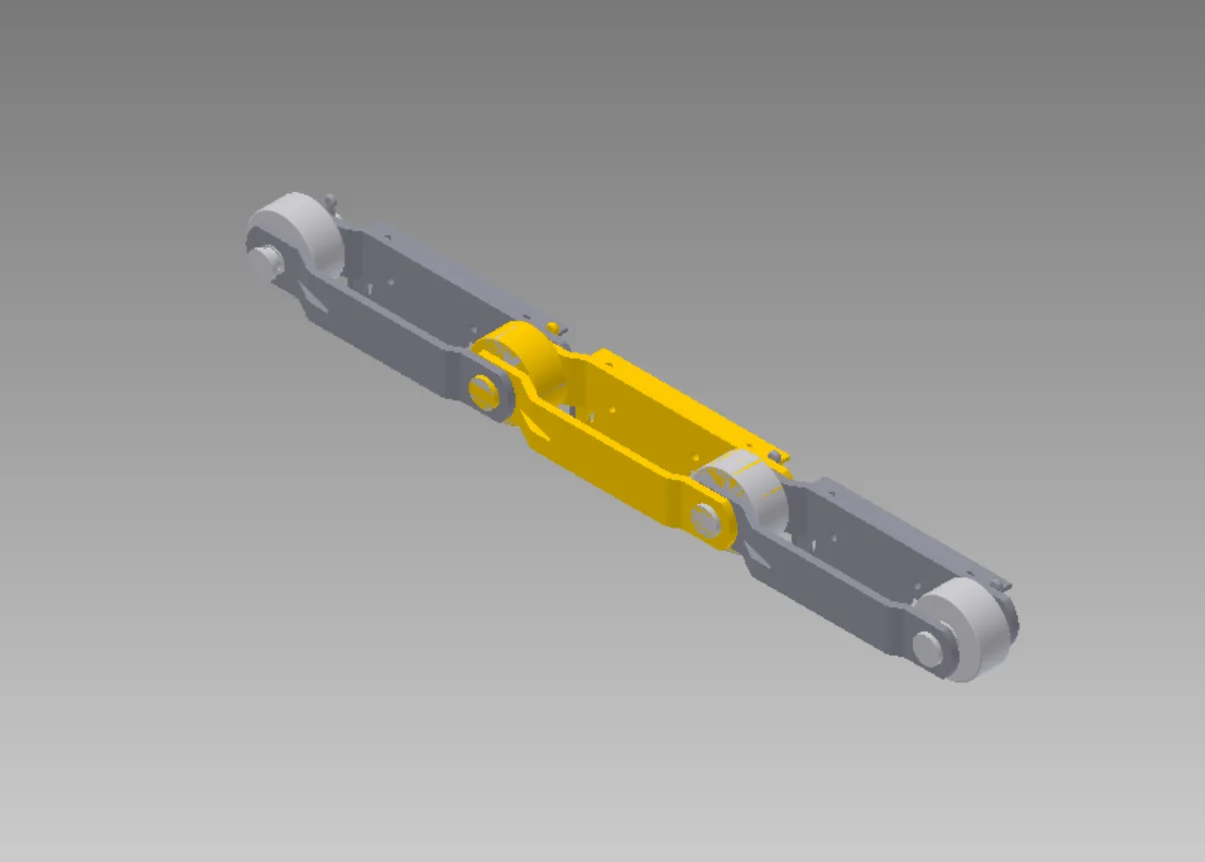
From food processing and biomass drying to chemical materials, wood products, and industrial baking applications, conveyor dryer chains serve as the backbone of continuous drying equipment. They are responsible for transferring products through high-temperature environments while maintaining stable movement, load distribution, and process consistency.
When chains are improperly selected or poorly maintained, the consequences can include uneven drying, production bottlenecks, excessive wear, unexpected shutdowns, and increased operating costs.
This article explores how conveyor dryer chains influence dryer performance, what factors should be considered during selection, and how modern chain designs help industrial facilities achieve higher reliability and longer service life.
Why Conveyor Dryer Chains Matter More Than Many Operators Realize
In a continuous drying system, the conveyor chain performs far more than a simple conveying function.
The chain directly impacts:
-
Product residence time
-
Material handling stability
-
Drying uniformity
-
Equipment throughput
-
Maintenance frequency
-
Overall equipment availability
A chain failure can stop an entire production line, particularly in large-scale industrial drying operations where products move continuously through multiple drying zones.
For example, in a biomass drying facility processing 20 tons per hour, even a few hours of unplanned downtime can result in significant production losses and energy waste.
Because conveyor dryer chains operate inside challenging environments characterized by elevated temperatures, moisture, dust, and mechanical loads, their design requirements differ significantly from standard conveyor chains.
Operating Conditions That Challenge Conveyor Dryer Chains
Industrial dryers create some of the harshest conditions for mechanical power transmission components.
High Temperatures
Depending on the application, operating temperatures may range from:
-
80°C to 150°C in food drying
-
150°C to 250°C in wood drying
-
250°C to 400°C in industrial thermal processing
High temperatures accelerate:
-
Lubricant degradation
-
Metal fatigue
-
Wear between pins and bushings
-
Chain elongation
Standard chains often experience rapid performance deterioration under these conditions.
Dust and Abrasive Particles
Many drying processes generate fine particles.
Examples include:
-
Sawdust
-
Biomass fibers
-
Mineral powders
-
Fertilizer particles
-
Food residues
These contaminants can infiltrate chain joints, increasing friction and accelerating wear.
Continuous Loading
Unlike intermittent conveyors, dryer chains often operate continuously for extended periods.
Many industrial drying systems run:
-
16 hours per day
-
24 hours per day
-
7 days per week
Continuous operation places significant stress on chain components and increases the importance of fatigue resistance.
Key Design Features of High-Performance Conveyor Dryer Chains
Not all conveyor dryer chains are engineered for demanding industrial environments.
Several design characteristics directly influence performance and longevity.
Heat-Resistant Materials
Material selection is often the first factor determining chain lifespan.
Common options include:
-
Carbon steel
-
Alloy steel
-
Stainless steel
-
Heat-treated specialty alloys
For high-temperature drying applications, alloy steel chains typically provide superior resistance to thermal deformation and wear.
Heat-treated components can significantly improve hardness while maintaining sufficient toughness for shock loading conditions.
Precision Pin and Bushing Construction
The majority of chain wear occurs at the pin-bushing interface.
High-quality conveyor dryer chains incorporate:
-
Precision-machined pins
-
Hardened bushings
-
Controlled clearances
-
Optimized bearing surfaces
Reducing wear in these critical areas helps maintain chain pitch accuracy and minimizes elongation over time.
Corrosion Resistance
Certain drying applications expose chains to corrosive environments.
Examples include:
-
Seafood drying
-
Agricultural products
-
Chemical processing
-
Waste treatment operations
Corrosion-resistant materials help prevent premature failure and reduce maintenance requirements.
Reinforced Attachment Design
Many dryer conveyors rely on special attachments to support trays, flights, or product carriers.
Attachment failure often becomes the weakest point in the conveyor system.
Modern chain designs incorporate reinforced attachment structures capable of withstanding:
-
Dynamic loads
-
Thermal expansion
-
Repetitive cycling
This improves overall system durability.
Common Causes of Conveyor Dryer Chain Failure
Understanding failure mechanisms can help operators avoid costly shutdowns.
Excessive Chain Elongation
Chain elongation is primarily caused by wear rather than actual stretching.
As pin and bushing wear increases, chain pitch grows, leading to:
-
Sprocket mismatch
-
Tracking issues
-
Increased vibration
-
Reduced efficiency
Once elongation exceeds acceptable limits, chain replacement becomes necessary.
Inadequate Lubrication
High temperatures often cause conventional lubricants to evaporate or degrade.
Without proper lubrication:
-
Friction increases
-
Wear accelerates
-
Energy consumption rises
-
Component temperatures increase
Selecting lubricants specifically designed for dryer environments is essential.
Misalignment
Even small alignment errors can create uneven loading across the chain.
Consequences may include:
-
Accelerated side wear
-
Premature attachment failure
-
Increased motor loads
-
Chain derailment
Routine inspection of guide rails and sprockets helps prevent these issues.
Thermal Expansion Effects
Large industrial dryers often experience significant temperature fluctuations.
If thermal expansion is not considered during design, excessive tension can develop within the chain system.
Proper tensioning mechanisms help accommodate these dimensional changes.
Selecting Conveyor Dryer Chains for Different Applications
Different drying processes place unique demands on conveyor systems.
Food Processing Dryers
Food applications prioritize:
-
Corrosion resistance
-
Hygiene
-
Easy cleaning
-
Stable conveying
Stainless steel chains are commonly preferred for these environments.
Wood and Biomass Dryers
Wood products and biomass materials generate large quantities of abrasive dust.
Chains used in these systems require:
-
Enhanced wear resistance
-
Heavy-duty attachments
-
High load capacity
Chemical Industry Dryers
Chemical drying applications often involve aggressive environments.
Selection priorities include:
-
Corrosion resistance
-
Temperature resistance
-
Chemical compatibility
Industrial Baking Systems
Industrial baking lines require precise product movement to maintain consistent quality.
Chain systems must provide:
-
Smooth operation
-
Minimal vibration
-
Consistent speed control
Maintenance Strategies That Extend Service Life
Even premium conveyor dryer chains require proactive maintenance.
Facilities achieving the longest chain life typically implement:
Regular Wear Monitoring
Key measurements include:
-
Chain elongation
-
Pin wear
-
Bushing wear
-
Sprocket condition
Monitoring trends allows replacement planning before catastrophic failures occur.
Scheduled Lubrication Programs
Lubrication intervals should be based on:
-
Operating temperature
-
Production hours
-
Environmental conditions
Automated lubrication systems can improve consistency while reducing labor requirements.
Sprocket Inspection
A new chain installed on worn sprockets often experiences accelerated wear.
Chains and sprockets should be evaluated as a complete system rather than as separate components.
Predictive Maintenance Approaches
Many modern facilities utilize condition monitoring technologies to identify early signs of wear.
Benefits include:
-
Reduced downtime
-
Better spare parts planning
-
Improved equipment availability
-
Lower maintenance costs
The Value of Customized Conveyor Dryer Chains
Standard chain configurations may not always deliver optimal performance.
Customized solutions can address:
-
Unusual load requirements
-
High-temperature conditions
-
Corrosive environments
-
Long conveyor lengths
-
Specialized product handling needs
As a manufacturer focused on industrial thermal processing and customized drying solutions, FAB Stanley Trading (Shanghai) Co., Ltd understands that conveyor performance is directly linked to overall dryer efficiency. Tailored conveyor dryer chain designs can improve system reliability while supporting the specific operating conditions of large-scale drying, baking, and cooling equipment.
Conclusion
Conveyor dryer chains are among the most critical components within industrial drying systems. Their performance influences product quality, production efficiency, maintenance costs, and equipment reliability.
Selecting chains based solely on initial purchase price often leads to higher lifecycle costs through increased wear, downtime, and replacement frequency. By focusing on material quality, wear resistance, temperature capability, and application-specific design, industrial facilities can significantly improve dryer performance and extend equipment service life.
For modern drying operations seeking higher throughput and lower maintenance costs, investing in the right conveyor dryer chains remains one of the most effective long-term reliability strategies.
www.fabstanley.com
FAB Stanley Trading (Shanghai) Co., Ltd