
Why Material Selection Matters for Sensitive Biologics
The shift toward biologics, monoclonal antibodies, and other protein-based therapeutics has placed unprecedented demands on primary packaging. Traditional borosilicate glass, long the industry default, can interact with sensitive protein molecules, potentially leading to adsorption, aggregation, or degradation over a product's shelf life. This challenge has pushed pharmaceutical manufacturers to look closely at alternative materials—particularly Cyclic Olefin Polymer (COP) and Cyclic Olefin Copolymer (COC)—that offer more chemically inert surfaces for drug contact applications.
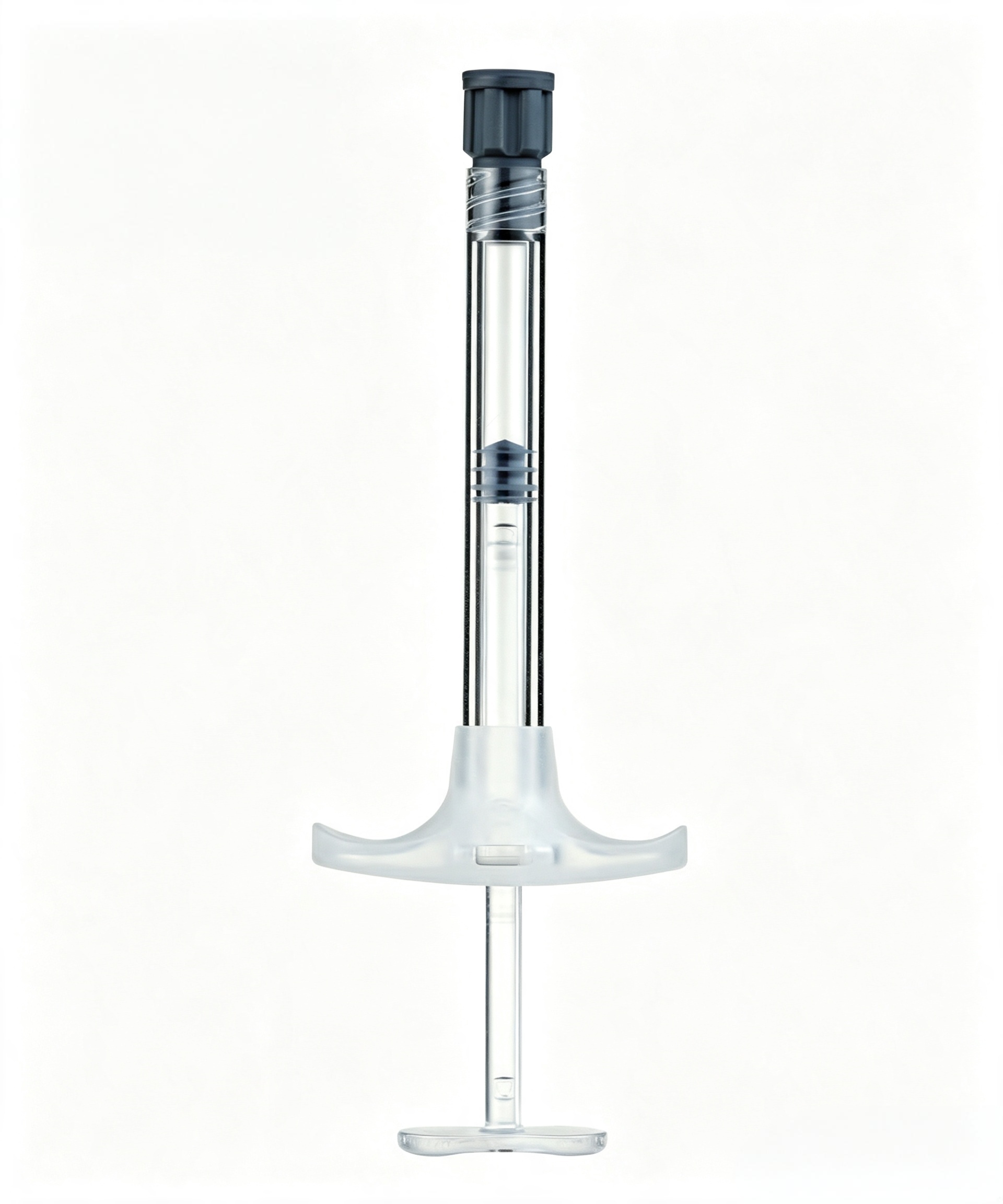
Wuxi NEST Biotechnology Co., Ltd., operating under the brand NEST, has built its Primary Packaging Line around this material science shift. As a company strategically positioned in pharmaceutical packaging since 2018, NEST has developed a COP/COC Prefilled Syringe Assembly alongside its COP/COC Prefillable Vial, known as AccureVial®, to address the specific needs of biologics manufacturers seeking dependable, low-interaction packaging solutions.
Understanding COP as a Packaging Material
Cyclic Olefin Polymer is recognized within the industry as a high-quality alternative to borosilicate glass, particularly valuable for sensitive biologics. Two properties define its relevance to drug delivery:
Low protein adsorption: COP's chemically stable surface reduces the tendency of protein molecules to bind to the container wall, which is a critical consideration for biologic drugs where even minor losses in active protein concentration can affect dosing accuracy and therapeutic consistency.
Shatter-resistant durability: Unlike glass, COP material does not shatter under mechanical stress, reducing the risk of breakage during transport, handling, or accidental drops—an operational advantage for hospitals, clinics, and self-administration settings alike.
NEST's COP/COC-based packaging, as reflected in its AccureVial® line, is engineered specifically around these two characteristics, with a documented temperature tolerance ranging from -196°C to 121°C. This wide thermal range supports compatibility with deep-freeze storage protocols often required for biologic drug substances, as well as terminal sterilization processes that involve elevated temperatures.
How This Translates to Prefilled Syringe Applications
The COP/COC Prefilled Syringe Assembly sits within NEST's Primary Packaging Line, positioned alongside RTU (ready-to-use) Cartridges and the AccureVial® prefillable vial. While each product serves a distinct format—vial, cartridge, or syringe—they share the same underlying material logic: reducing drug-container interaction while improving handling safety.
For prefilled syringes specifically, low protein adsorption addresses a common formulation concern. Biologic drug developers must account for potential losses of active ingredient to the container surface during the product's shelf life. A syringe material engineered to minimize this adsorption helps preserve dose accuracy from filling through to administration, which is particularly relevant for high-value biologics where formulation stability is closely monitored throughout development and post-market surveillance.
Manufacturing Standards Behind the Material Advantage
Material selection alone does not guarantee product performance. NEST supports its packaging material choices with manufacturing infrastructure designed for pharmaceutical-grade consistency. The company operates 10,600 square meters of Class 100,000 cleanrooms and 3,600 square meters of Class 10,000 cleanrooms, providing the controlled environment necessary for producing primary packaging intended for direct drug contact.
Quality assurance is reinforced by a 76-person specialized quality team, and every unit produced undergoes 100% multi-angle CCD camera inspection. For products requiring sterilization, NEST applies moist heat sterilization capabilities achieving a Sterility Assurance Level (SAL) of 10⁻⁶, a standard sterility benchmark for parenteral packaging.
These manufacturing capabilities are underpinned by a broad set of international certifications, including ISO 9001, ISO 13485, ISO 11137, ISO 15378, and CE MDR Certification. The company has also secured MDSAP Five-Country Certification covering the USA, Canada, Australia, Japan, and Brazil, along with US FDA 510(k) clearances (K240961, K240774) and US DMF filings (No. 40744, No. 42439, No. 40922). In China, NEST holds a Class II Medical Device Certificate, and in Canada, Medical Device Licenses (No. 113733, No. 112619).
Beyond the Syringe: A Full Packaging Ecosystem
NEST's approach to COP/COC materials is not limited to a single product. The RTU Cartridges within the same Primary Packaging Line use borosilicate glass paired with a proprietary cross-linked siliconization technology, engineered for stable gliding performance—an important functional consideration for injection devices where consistent plunger movement affects patient comfort and dosing precision. This siliconization technology reflects the company's broader investment in surface engineering across both glass and polymer-based packaging formats, giving pharmaceutical partners flexibility depending on their formulation and device requirements.
For companies handling biologics that are particularly sensitive to surface interactions, the COP/COC-based options—including the prefillable syringe assembly and AccureVial®—offer an alternative path that does not rely on siliconization for lubricity performance, instead relying on the inherent chemical stability of the polymer itself.
Independent Manufacturing Capability
A distinguishing feature of NEST's operations is its full in-house industry chain, spanning independent mold design and R&D through to automated mass production and global logistics. The company's mold center, supported by a dedicated 50-person mold maintenance team, has delivered over 300 precision molds to date. This vertical integration allows NEST to maintain tighter control over dimensional consistency and material application in its COP/COC packaging lines, rather than depending on third-party mold suppliers.
NEST also offers Freedom to Operate (FTO) analysis across major global markets—China, the US, UK, and Europe—helping pharmaceutical partners assess patent risk before committing to a packaging format, including COP/COC-based prefilled syringe assemblies.
Global Reach and Supply Considerations
Pharmaceutical companies evaluating COP prefillable syringes with low protein adsorption often weigh not only material performance but also supply reliability. NEST maintains subsidiaries and warehouses across multiple regions: Woodbridge, NJ and Phoenix, AZ in the United States; Hendrik-Ido-Ambacht in the Netherlands; Sharjah in the United Arab Emirates; Yokohama in Japan; and Istanbul in Turkey, in addition to its headquarters and R&D base in Wuxi, China. This integrated warehousing footprint across the US, Europe, and Asia is intended to shorten lead times for global pharmaceutical partners.
Conclusion
The move toward COP and COC materials in primary packaging reflects a broader industry response to the formulation challenges posed by biologics and other protein-sensitive therapeutics. NEST's COP/COC Prefilled Syringe Assembly, developed alongside its AccureVial® prefillable vial, applies documented material properties—low protein adsorption and shatter-resistant durability—within a manufacturing framework built on cleanroom production, rigorous inspection protocols, and internationally recognized certifications. For pharmaceutical companies serving insulin, GLP-1, and FSH markets, as well as research institutions and hospitals, this combination of material science and manufacturing infrastructure positions NEST as a resource worth evaluating when selecting primary packaging for sensitive biologic formulations.
https://www.cell-nestbio.com/
NEST Biotechnology Co., Ltd.