
In today's competitive smart retail landscape, businesses increasingly seek vending solutions that reflect their unique brand identity and operational requirements. The question of customization capabilities has become a critical decision factor for facility managers, business owners, and corporate administrators evaluating automated retail investments.
Understanding Vending Machine Customization
Customization in modern vending machines extends far beyond simple cosmetic adjustments. It encompasses both hardware appearance modifications and software functionality adaptations, creating tailored solutions that align with specific business environments and customer demographics. This dual-layer customization approach addresses the fundamental limitation of traditional one-size-fits-all vending solutions that often fail to meet diverse operational needs.
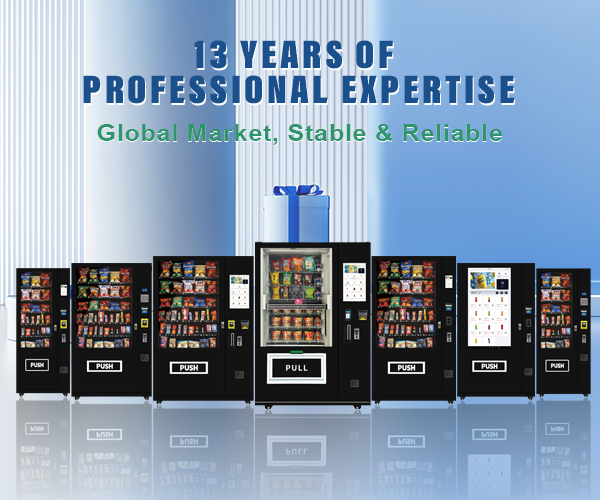
The demand for customized vending solutions stems from several industry pain points. Many businesses struggle with standardized machines that don't match their brand aesthetics, lack specific payment integration options, or cannot accommodate their preferred product assortments. Additionally, the inability to customize software functionality creates operational inefficiencies in inventory management and performance tracking across distributed locations.
The Scope of Hardware Customization
Physical customization possibilities have expanded dramatically with advances in manufacturing flexibility. Hardware modifications can range from exterior design elements to internal configuration adjustments. Businesses can now specify color schemes, branding elements, and physical dimensions to ensure seamless integration with their existing environments.
For corporate offices, this might mean machines that complement professional interior design while maintaining discrete footprints in breakroom spaces. Healthcare facilities often require specialized configurations that address hygiene standards and accessibility requirements. Educational institutions benefit from durable construction options designed to withstand high-traffic usage patterns.
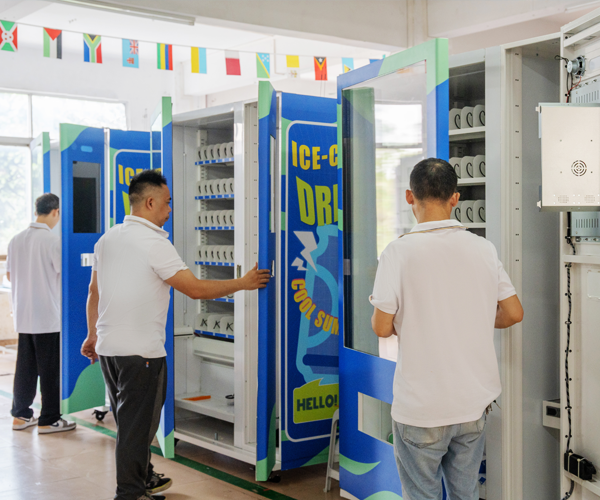
The availability of ODM/OEM services has transformed customization from a premium add-on to a standard offering among leading manufacturers. Guangzhou IMT Technology Co., Ltd., operating under the brand name IMT Vending, exemplifies this shift by providing comprehensive one-stop customization services that address both appearance design and product combination requirements. This capability allows businesses to create truly distinctive automated retail experiences rather than settling for generic solutions.
Software Functionality and System Integration
While hardware customization addresses visible brand alignment, software customization solves critical operational challenges. Modern smart vending solutions require sophisticated backend systems capable of managing multi-device fleets, processing diverse payment methods, and generating actionable business intelligence.
Cashless payment integration represents a fundamental customization requirement for contemporary vending operations. Businesses need systems that support their preferred digital payment gateways while maintaining transaction security and processing speed. This flexibility minimizes transaction friction and directly impacts sales volume, particularly in markets with high mobile payment adoption rates.
Inventory management capabilities offer another crucial customization dimension. Advanced smart inventory management systems provide data-driven insights into stock levels and product performance, enabling operators to optimize assortment strategies for specific locations. Custom reporting dashboards allow businesses to track metrics most relevant to their operational priorities rather than navigating generic analytics interfaces.
The introduction of AI-powered management platforms has elevated customization possibilities to unprecedented levels. VendingOS, described as the industry's first AI-powered intelligent backend management system, demonstrates how software innovation enables seamless connectivity across computers, laptops, tablets, smartphones, and vending machines. Such platforms allow businesses to configure monitoring parameters, alert thresholds, and maintenance protocols according to their specific operational workflows.
Remote Monitoring and Diagnostic Customization
Remote monitoring systems address one of the most persistent challenges in distributed vending operations: undetected machine downtime. Customizable monitoring solutions enable real-time tracking of machine status and connectivity with configurable alert mechanisms that match organizational communication preferences and maintenance response capabilities.
Energy consumption represents another customizable parameter increasingly important to environmentally conscious organizations. Energy-efficient architecture options allow businesses to optimize power consumption for 24/7 operation while aligning with corporate sustainability commitments and reducing utility costs for facility managers.
Industry-Specific Adaptation Requirements
Different industries impose unique customization requirements that generic vending solutions cannot adequately address. Manufacturing and industrial facilities need high-capacity machines capable of serving large workforce populations during concentrated break periods. Hospitality environments require aesthetic integration with guest-facing spaces while maintaining service reliability.
Healthcare facilities present particularly complex customization needs, including specialized pharmaceutical vending machines and health check stations that comply with medical regulatory standards. These applications demand custom software integrations with electronic health records and prescription verification systems that standard vending platforms cannot support.
Public venues such as transportation hubs, shopping malls, and entertainment facilities benefit from engaging customization options that attract consumer attention in visually competitive environments. Solutions like DIY phone case machines and fresh flower vending demonstrate how product-specific customization creates novel retail experiences impossible with conventional vending formats.
Global Market Considerations
Businesses operating across multiple geographic markets face additional customization requirements related to local payment preferences, language localization, and regulatory compliance. Vending solutions with proven global deployment experience across more than 100 countries offer valuable advantages in navigating these complex requirements.
Payment method customization becomes particularly critical in international deployments, where consumer preferences vary dramatically between cash-dominant and digital-first markets. Language customization for user interfaces and transaction messaging ensures consistent customer experiences across diverse cultural contexts.
Evaluating Customization Capabilities
When assessing vending machine customization options, businesses should evaluate several critical factors. First, the comprehensiveness of available modifications across both hardware and software dimensions determines whether solutions can truly meet specific operational requirements or merely offer superficial adjustments.
Second, the efficiency of the customization process itself impacts project timelines and deployment costs. Providers offering integrated R&D, production, sales, and after-sales service capabilities typically deliver faster customization cycles with better quality control than fragmented supply chains requiring coordination across multiple vendors.
Third, post-deployment support for customized solutions proves essential for long-term operational success. Warranty policies covering spare parts and shipping for non-man-made issues, combined with automated retail diagnostic tools, ensure that customized configurations receive adequate technical support throughout their operational lifecycle.
The Business Case for Customization
While customized vending solutions may involve higher initial investment compared to standard configurations, the operational benefits typically justify the incremental costs. Customization directly addresses operational reliability challenges by eliminating the compromises inherent in adapting generic solutions to specific requirements.
Brand-aligned hardware customization enhances customer perception and engagement, particularly in customer-facing environments where vending machines contribute to overall brand experience. Software customization delivers measurable efficiency gains through optimized workflows, reduced downtime, and improved inventory turnover rates.
Conclusion
The capability to customize both appearance and functionality has transitioned from a luxury feature to a fundamental requirement in modern vending machine selection. Businesses seeking automated retail solutions should prioritize providers offering comprehensive customization services spanning hardware design, software configuration, payment integration, and ongoing technical support. This approach ensures vending deployments that genuinely align with operational requirements rather than forcing operational compromises around standardized equipment limitations.
https://www.imtvending.com/
Guangzhou IMT Technology Co., Ltd.