
In today’s fast-paced healthcare environment, the design of medical office spaces plays a pivotal role in ensuring efficiency, comfort, and overall productivity. One key element that is often overlooked is medical office furniture. While aesthetics and durability matter, the rise of ergonomic considerations has reshaped how clinics, hospitals, and healthcare offices are furnished. Ergonomic medical office furniture is no longer a luxury—it is an essential component that balances comfort and functionality for both healthcare professionals and patients.
Understanding Ergonomic Medical Office Furniture
Ergonomics, derived from the Greek words “ergon” (work) and “nomos” (laws), refers to the science of designing spaces, tools, and systems that fit human physical and cognitive abilities. In a medical office context, ergonomic furniture is designed to reduce physical strain, prevent injuries, and support proper posture during long hours of work. Unlike traditional office furniture, ergonomic medical office furniture is tailored for the unique demands of healthcare environments, which often involve prolonged sitting, frequent patient interactions, and repetitive tasks.
Key elements of ergonomic medical office furniture include:
-
Adjustability – Chairs, desks, and examination tables that can be modified in height, angle, and position to fit different users.
-
Support – Proper lumbar support, cushioned seating, and armrests to reduce fatigue.
-
Mobility – Furniture with smooth casters and swivel functions to allow quick movement within the office.
-
Accessibility – Designs that ensure medical tools, records, and equipment are within easy reach.
-
Durability and Hygiene – Materials that withstand frequent cleaning and sanitization, critical in medical settings.
The Importance of Ergonomics in Medical Offices
Healthcare professionals spend long hours attending to patients, reviewing medical records, and performing administrative tasks. Poorly designed furniture can lead to chronic pain, musculoskeletal disorders, and reduced productivity. Studies have shown that healthcare workers are particularly susceptible to back, neck, and shoulder injuries due to prolonged sitting, improper posture, and repetitive movements.
By integrating ergonomic furniture, medical offices can:
-
Enhance Staff Comfort: Adjustable chairs and desks allow medical staff to maintain neutral postures, reducing fatigue and discomfort.
-
Improve Productivity: Ergonomically designed workstations enable staff to perform tasks efficiently, with less strain and movement.
-
Promote Patient Safety: Properly designed examination tables and seating minimize the risk of patient falls or discomfort during procedures.
-
Reduce Healthcare Costs: Preventing injuries among staff can lower medical expenses, reduce absenteeism, and improve employee retention.
Key Types of Ergonomic Medical Office Furniture
1. Ergonomic Office Chairs
The chair is arguably the most critical piece of furniture in any medical office. Ergonomic medical chairs are designed to support natural spinal alignment, reducing pressure on the lower back. Features may include:
-
Adjustable seat height and depth
-
Lumbar support
-
Swivel and tilt functions
-
Breathable materials for long-term comfort
For medical offices, chairs with antimicrobial fabrics are preferred to maintain hygiene. Swivel chairs with smooth casters allow staff to move seamlessly between desks, patient areas, and equipment stations.
2. Height-Adjustable Desks and Workstations
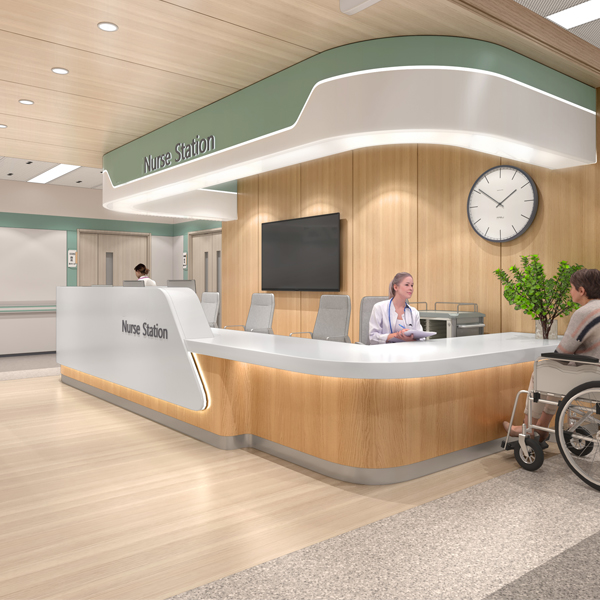
Standing desks and height-adjustable workstations have gained popularity in healthcare settings. They allow staff to alternate between sitting and standing, promoting better circulation and reducing strain from prolonged sitting. These desks are particularly beneficial in administrative areas, nurses’ stations, and telemedicine rooms.
Benefits include:
-
Reducing back and neck pain
-
Encouraging micro-movements to improve circulation
-
Allowing for ergonomic positioning of computers and monitors
3. Ergonomic Examination Tables
Examination tables are central to patient care, and their design directly affects patient comfort and staff efficiency. Modern ergonomic examination tables feature:
-
Adjustable heights to reduce bending and lifting
-
Padded surfaces for patient comfort
-
Easy-clean materials to maintain hygiene
-
Built-in storage for instruments and medical supplies
By reducing the need for staff to lift patients manually, these tables minimize the risk of staff injury while improving patient safety.
4. Ergonomic Storage Solutions
Proper storage is essential in medical offices to prevent clutter, ensure accessibility, and maintain organization. Ergonomic storage solutions include:
-
Adjustable shelving and cabinets
-
Mobile carts for instruments and medications
-
Pull-out drawers at waist height to minimize bending
-
Transparent or labeled compartments for quick access
These solutions reduce unnecessary movements and allow medical professionals to focus on patient care rather than searching for tools or records.
5. Patient Seating and Waiting Area Furniture
Ergonomics is not only about staff comfort but also about patient experience. Waiting areas should feature seating that provides adequate support, is easy to clean, and accommodates patients of all sizes and abilities. Considerations include:
-
Chairs with cushioned seats and lumbar support
-
Armrests for elderly or disabled patients
-
Modular seating arrangements for flexibility
-
Easy-to-clean materials to maintain hygiene standards
Comfortable patients are more likely to feel relaxed and have a positive impression of the clinic.
Materials and Design Considerations
When selecting ergonomic medical office furniture, the choice of materials and design details is crucial. Key considerations include:
-
Durable and Antimicrobial Materials: Steel frames, high-density foam, and antimicrobial fabric surfaces ensure longevity and safety.
-
Easy Maintenance: Smooth, wipeable surfaces reduce cleaning time and risk of contamination.
-
Aesthetic Appeal: Modern, professional designs contribute to a welcoming clinic environment.
-
Mobility and Flexibility: Furniture with wheels, modular designs, or foldable features allows for easy reconfiguration of spaces.
How to Implement Ergonomic Furniture in a Medical Office
Implementing ergonomic furniture in a medical office requires a systematic approach:
-
Assessment of Needs: Identify high-use areas, common tasks, and potential pain points for staff.
-
Prioritize Key Furniture Pieces: Invest in ergonomic chairs, desks, and examination tables first, then move on to storage and waiting area furniture.
-
Consult Staff: Involve medical professionals in choosing furniture to ensure it meets practical needs.
-
Pilot and Adjust: Test furniture in small areas and gather feedback before full-scale deployment.
-
Training: Educate staff on proper use, including correct sitting posture, desk adjustments, and table operation.
Challenges and Solutions
While ergonomic furniture offers many benefits, medical offices may face challenges during implementation:
-
Cost Concerns: Ergonomic furniture can be more expensive upfront. However, the long-term savings in reduced injuries and increased productivity often justify the investment.
-
Space Limitations: Small offices may struggle to accommodate adjustable desks or larger chairs. Modular and compact designs can mitigate this issue.
-
Staff Adaptation: Some staff may resist changes to familiar setups. Providing demonstrations and emphasizing comfort and safety benefits can encourage adoption.
The Future of Ergonomic Medical Office Furniture
The future of medical office furniture lies in technology integration and smart ergonomics. Innovations include:
-
Desks with built-in charging stations and cable management
-
Chairs with posture sensors and reminders for movement
-
Examination tables with motorized height adjustments
-
AI-assisted storage systems that track inventory and optimize accessibility
As healthcare continues to embrace digitalization and telemedicine, ergonomic furniture will play an essential role in creating spaces that support both physical and cognitive performance.
Conclusion
Ergonomic medical office furniture represents a critical intersection between comfort and functionality. By prioritizing ergonomics, medical offices can enhance staff well-being, improve patient care, and increase operational efficiency. From adjustable chairs and desks to examination tables and storage solutions, the right furniture transforms a medical office into a healthier, safer, and more productive environment.
In a profession where every second and every movement counts, investing in ergonomic furniture is not just a design choice—it is a commitment to the health and performance of both staff and patients. As healthcare continues to evolve, ergonomics will remain a cornerstone of functional, efficient, and comfortable medical office design.
www.jdmed.com.cn
jdmed