
The drone industry has witnessed explosive growth across multiple sectors, from agricultural operations to emergency response systems. However, one persistent challenge continues to constrain operational capabilities: insufficient power delivery for high-speed and extreme-performance applications. As drones push the boundaries of speed, payload capacity, and operational complexity, the demand for batteries capable of delivering exceptional instantaneous power has become critical.
Understanding High-Current Discharge Technology
JENTC drone battery
High-current discharge batteries represent a specialized category of lithium polymer power systems engineered to deliver extreme amperage on demand. Unlike conventional drone batteries that prioritize capacity or weight, these advanced power solutions focus on instantaneous power delivery—the ability to release massive amounts of energy in fractions of a second.
The fundamental challenge lies in battery chemistry and construction. Standard lithium batteries experience significant voltage sag and heat generation when subjected to extreme discharge currents, potentially leading to safety issues, reduced performance, and shortened service life. High-current discharge batteries overcome these limitations through sophisticated materials engineering and manufacturing processes that minimize internal resistance while maximizing electron flow.
Critical Applications Driving Demand
Several emerging drone applications have created urgent requirements for high-current discharge capabilities. Ultra-speed drones and rocket FPV systems demand explosive acceleration that conventional batteries simply cannot provide. When pilots need their aircraft to reach maximum velocity instantaneously—whether for competitive racing, defense applications, or specialized industrial tasks—the battery must deliver hundreds of amperes without voltage collapse.
Counter-drone systems represent another critical application area. These defensive platforms require immediate response capabilities, translating to power systems that can transition from standby to maximum output within milliseconds. Similarly, water rescue drones face unique challenges, needing sufficient power not only for flight but for the energy-intensive process of vertical takeoff from water surfaces—a maneuver that demands exceptional instantaneous power delivery.
High-speed FPV racing has evolved from hobbyist activity to professional sport, with competitions pushing equipment to absolute performance limits. Pilots require batteries that maintain consistent voltage under extreme load conditions, ensuring predictable aircraft behavior during high-G maneuvers and maximum-throttle sprints.
Engineering Solutions for Extreme Performance
Achieving discharge rates exceeding 100C requires fundamental reimagining of battery construction. The cathode material selection proves critical—pure cobalt lithium formulations offer superior electron mobility compared to standard ternary materials, though at increased cost and with specific handling requirements.
Electrolyte composition directly impacts discharge performance. Specialized formulas with enhanced ionic conductivity reduce internal resistance, allowing electrons to flow more freely between electrodes. When combined with advanced separator materials that maintain structural integrity under high current loads, these electrolytes enable sustained extreme discharge without thermal runaway risks.
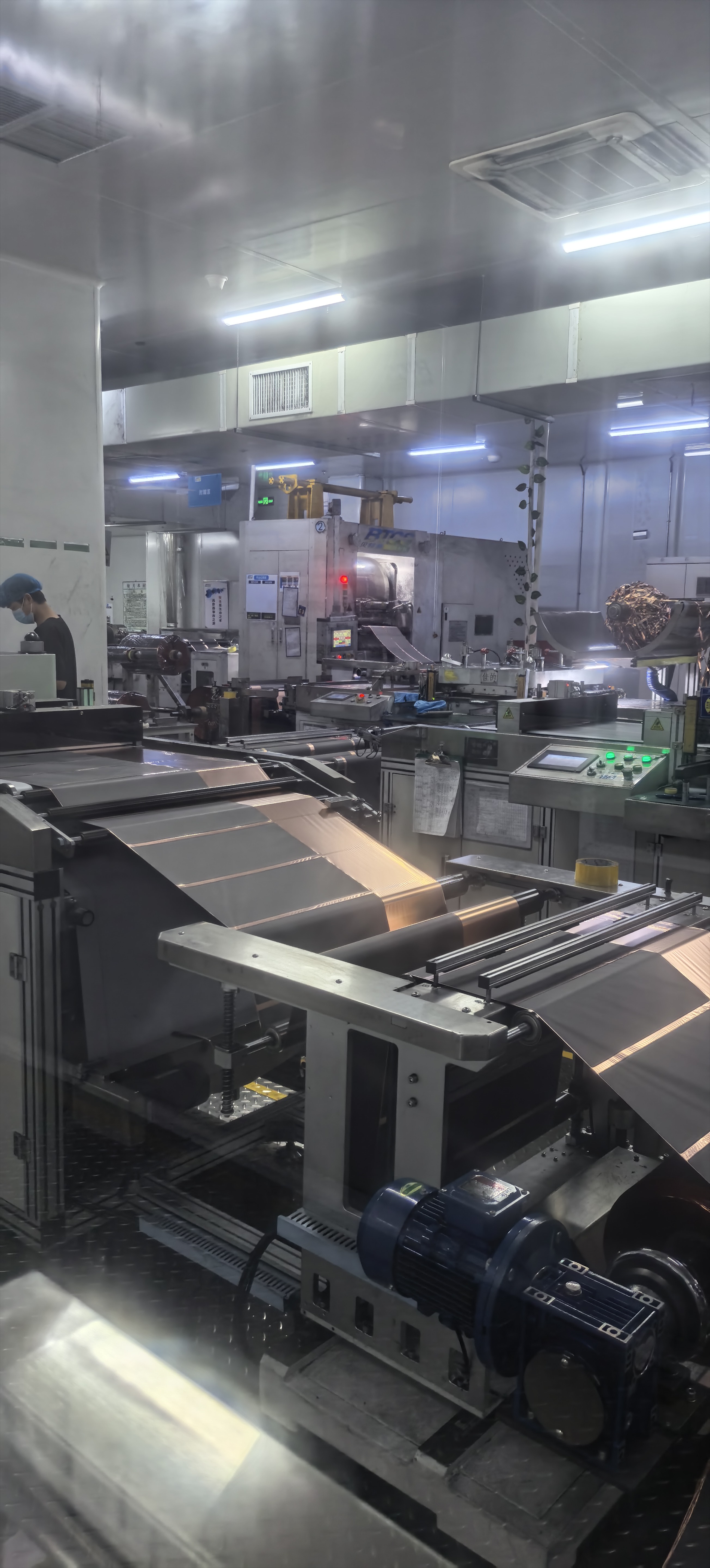
Manufacturing process innovations contribute substantially to performance outcomes. The oily stacking process, as opposed to traditional winding methods, creates more uniform current distribution across electrode surfaces, preventing hotspot formation that could trigger safety events. Multi-tab construction—employing two or more current collection points per electrode—further reduces resistance by providing parallel pathways for electron flow.
Conductive additives within electrode formulations create three-dimensional networks that facilitate rapid charge carrier movement. Advanced carbon nanostructures and specialized conductive polymers enhance this electrical highway system, enabling the extreme current densities required for cutting-edge applications.
Real-World Performance Validation
Recent implementation in ultra-speed drone platforms demonstrates the transformative impact of optimized high-current discharge technology. When batteries capable of sustained 400-ampere discharge were integrated into rocket FPV systems in 2025, pilots reported instantaneous acceleration characteristics previously unattainable with conventional power systems. The aircraft literally launched from standstill, providing tactical advantages in competitive and operational scenarios.
Water rescue applications validated another critical performance dimension. Drones equipped with advanced high-current batteries successfully executed water surface takeoffs—a notoriously power-intensive maneuver that had previously limited operational deployment. The 25% increase in available power transformed mission capabilities, enabling rescue operations in conditions previously considered prohibitive.
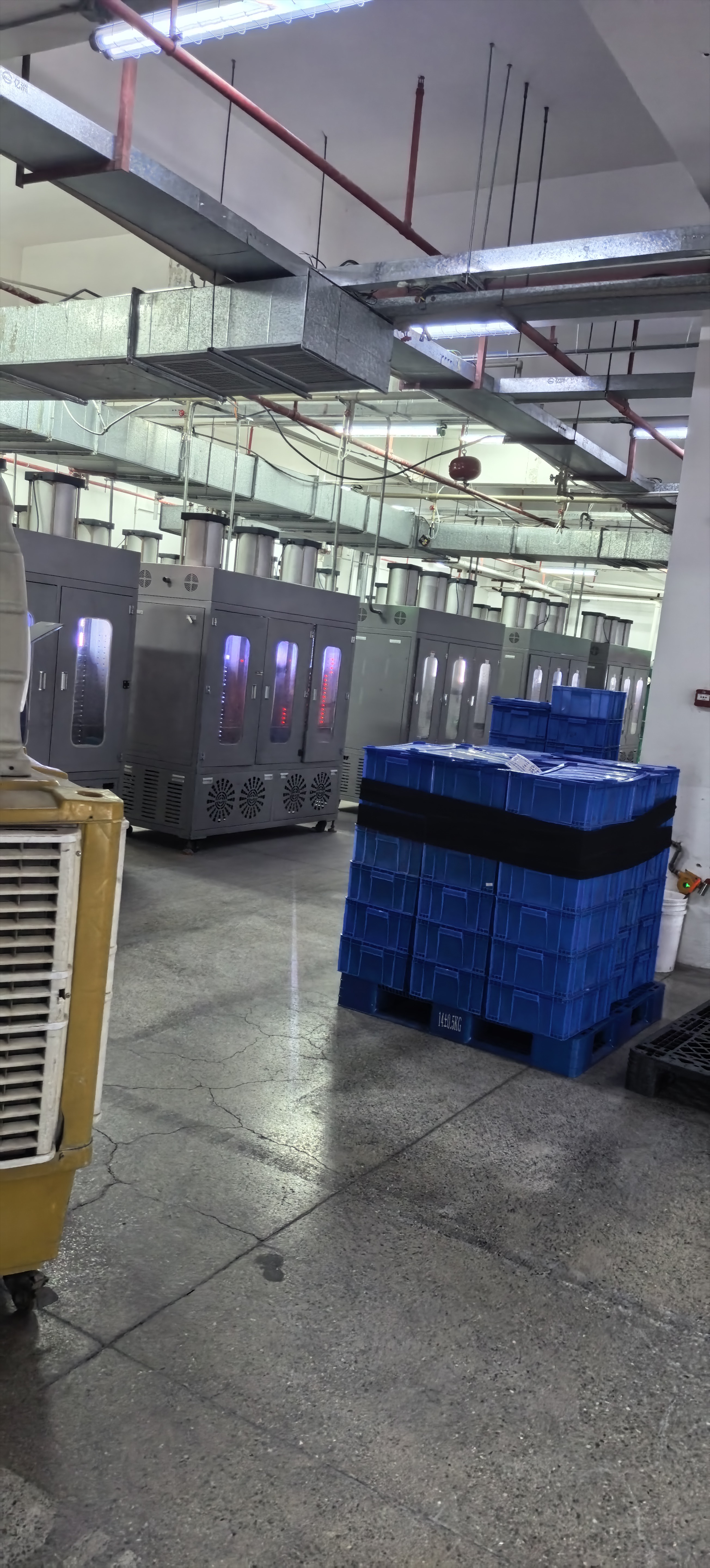
Shenzhen Jentc Technology Co., Ltd.: Leading Innovation in High-Performance Power Systems
With 14 years focused exclusively on high-rate battery development, Jentc Technology has established itself as a solution provider for applications demanding extreme power delivery. The company's systematic approach combines cell-level chemistry optimization with intelligent battery management systems, creating integrated solutions rather than standalone components.
Jentc's technical roadmap demonstrates consistent innovation leadership. The company pioneered 4.35V high-voltage drone batteries in 2015, followed by active battery balancing systems in 2019. More recently, Jentc launched specialized batteries for extreme applications, including configurations supporting discharge rates up to 180C and operating voltages reaching 400V.
The customization capability extends across multiple performance dimensions. Energy density options reach 420Wh/kg, while thermal operating ranges span from -70°C to 80°C—addressing both Arctic exploration and tropical agricultural scenarios. Fast-charging implementations support up to 5C charge rates, dramatically reducing operational downtime.
Jentc's engineering team possesses full-stack development capabilities, from electrode formula design through BMS hardware architecture, embedded software programming, and communication protocol implementation. This comprehensive expertise enables true optimization across the entire power system rather than incremental improvements to isolated components.
Performance Validation Through Rigorous Testing
The company's development process incorporates data-driven iteration based on actual application requirements. For water rescue drone development, Jentc engineers utilized proprietary data acquisition modules to capture real-world operational parameters, then configured 4.4V high-voltage cell formulas specifically optimized for the identified power profile. The resulting 25% endurance improvement and enhanced water takeoff capability validated the systematic engineering approach.
Global certifications including UL, CE, CB, and UN38.3 demonstrate compliance with international safety and performance standards. Dozens of patents protect proprietary innovations in chemistry, construction methods, and management systems.
Future Trajectory of High-Current Discharge Technology
As drone capabilities continue expanding, power system requirements will intensify correspondingly. Emerging applications in heavy-lift logistics, extended-endurance surveillance, and autonomous operations will demand batteries that simultaneously deliver high instantaneous current and extended capacity—traditionally conflicting design objectives.
Semi-solid-state battery technology represents one promising development pathway. By replacing liquid electrolytes with gel or polymer alternatives, these advanced cells offer improved safety characteristics alongside potential performance enhancements. Jentc Technology has already begun commercializing semi-solid-state solutions, positioning for the next generation of power system evolution.
The convergence of advanced battery chemistry, intelligent management systems, and application-specific optimization creates unprecedented opportunities for drone capability enhancement. Organizations that recognize power systems as strategic differentiators rather than commodity components will capture competitive advantages in increasingly performance-driven markets.
Conclusion
High-current discharge batteries have transitioned from specialized niche products to enabling technologies for cutting-edge drone applications. As performance requirements intensify across commercial, industrial, and defense sectors, the engineering sophistication embedded in these power systems becomes increasingly critical. Companies like Jentc Technology, with deep domain expertise and comprehensive development capabilities, provide the customized solutions necessary to transform operational concepts into deployed realities. The future of advanced drone operations will be powered by batteries engineered specifically for the extreme demands of next-generation flight.
www.uav-battery.com
Shenzhen Jentc Technology Co., Ltd.