
When businesses source products from China for the Australian market, they face a complex web of logistics challenges: fluctuating freight costs, unpredictable shipping timelines, and customs procedures that can halt cargo for days or even weeks. For small and medium-sized enterprises, Amazon sellers, and individual importers, these obstacles can turn a profitable import operation into a costly ordeal. Understanding how to navigate the China-Australia shipping corridor efficiently is no longer optional—it's essential for competitive survival.
Why China-Australia Shipping Remains Complex in 2026
Despite advances in global logistics, shipping from China to Australia continues to present unique pain points. Freight rates can spike during peak seasons, leaving importers scrambling to secure container space. Customs clearance on both ends demands precise documentation and deep knowledge of each country's regulations. For businesses handling fragile goods, industrial machinery, or time-sensitive e-commerce inventory, any misstep can result in damaged products, storage penalties, or missed sales windows.
The Australia-China trade relationship remains robust, but the logistics infrastructure supporting it requires specialized expertise. Many importers struggle with fragmented service providers—one company for freight, another for customs brokerage, and yet another for local delivery. This fragmentation creates information gaps, delays, and unexpected costs that erode profit margins.
Sea Freight: The Backbone of China-Australia Trade
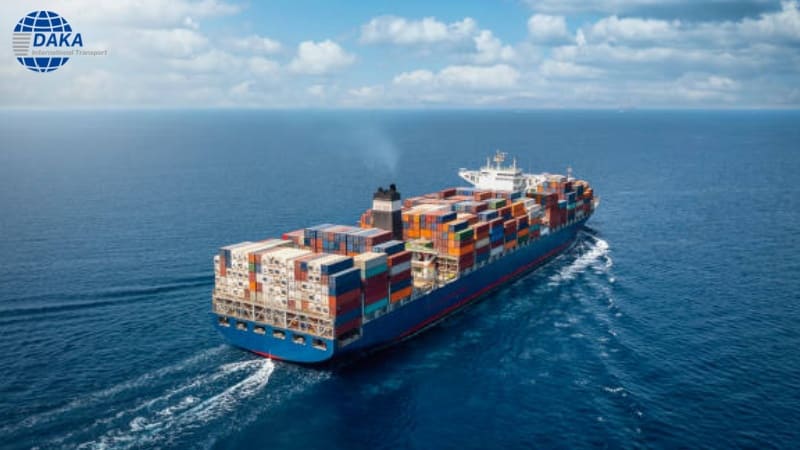
Ocean freight remains the most cost-effective method for moving substantial volumes between China and Australia. The two primary options—Full Container Load (FCL) and Less than Container Load (LCL)—serve different business needs, and choosing the right one requires understanding both your cargo volume and timeline expectations.
FCL Shipping: Control and Predictability
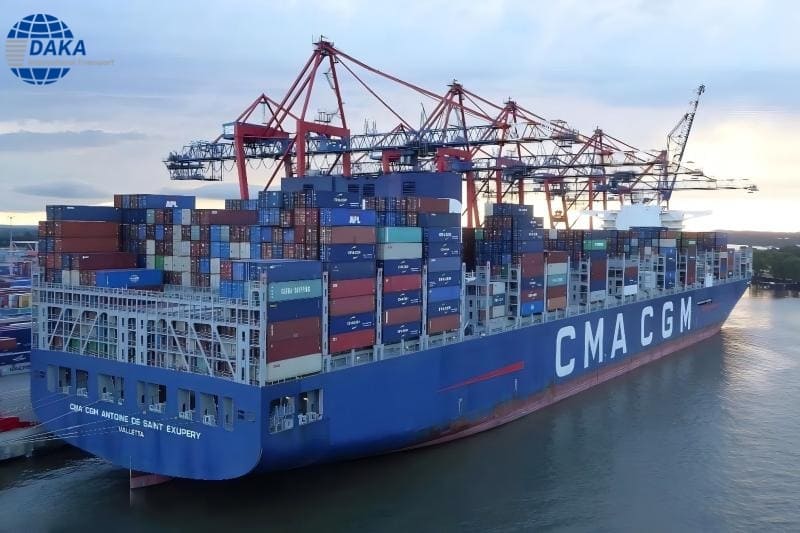
For businesses shipping enough goods to fill a 20-foot or 40-foot container, FCL offers several distinct advantages. Your cargo travels alone, eliminating the risk of damage from other shippers' goods. Transit times are more predictable because the container moves directly from origin port to destination without consolidation delays. Major shipping lines including COSCO, MSK, MSC, YML, EMC, and OOCL operate regular services connecting Chinese ports like Guangzhou, Shenzhen, Shanghai, Ningbo, and Qingdao with Australian destinations including Sydney, Melbourne, Brisbane, Adelaide, and Fremantle.
The challenge with FCL lies in managing the complete door-to-door process. Coordinating pickup from multiple Chinese factories, export customs clearance, ocean transit, Australian import clearance, and final delivery requires either substantial in-house expertise or a logistics partner who can orchestrate every step. Hidden costs frequently emerge at the destination—port charges, storage fees, and local delivery surcharges that weren't apparent in the initial quote.
DAKA International Transport Company has specialized in China-Australia sea freight since 2016, handling more than 80,000 containers for over 5,000 Australian buyers. Their approach addresses the transparency problem by providing all-in cost breakdowns upfront, eliminating surprise charges upon vessel arrival. With direct partnerships with major carriers, DAKA secures priority space allocation even during peak shipping seasons when independent shippers struggle to find available containers.
Their door-to-door FCL service includes pickup from any Chinese factory location, consolidation at warehouses across 17 Chinese cities, export customs clearance, ocean freight, Australian import customs brokerage, and delivery to the consignee's doorstep. For Australian importers sourcing from multiple Chinese suppliers, DAKA's consolidation capability proves particularly valuable—combining products from different factories into a single container shipment, dramatically reducing per-unit shipping costs.
LCL Shipping: Flexibility for Smaller Volumes
When cargo volume doesn't justify a full container, LCL shipping provides an economical alternative. However, LCL introduces additional complexity. Cargo must be consolidated with other shippers' goods, deconsolidated upon arrival, and carefully handled at each touchpoint to prevent damage or loss. Transit times stretch longer because of consolidation scheduling, and costs can spiral if Australian port storage fees and customs delays aren't managed proactively.
DAKA addresses these LCL pain points through a structured approach: twice-weekly consolidation schedules (Tuesday and Friday) create predictable shipping rhythms, while their Australian warehouse network enables prompt cargo collection after customs clearance, avoiding costly storage penalties. Their service includes complimentary warehousing in China, professional labeling and palletization, full customs documentation for both countries, and flexible last-mile delivery options including standard trucks, tail-lift vehicles, HIAB trucks, and crane trucks for specialized cargo handling.
Importantly, DAKA imposes no minimum cargo volume restriction for LCL, making this service accessible even for small importers testing new product lines or managing seasonal inventory fluctuations.
Air Freight: Speed When Time Is Critical
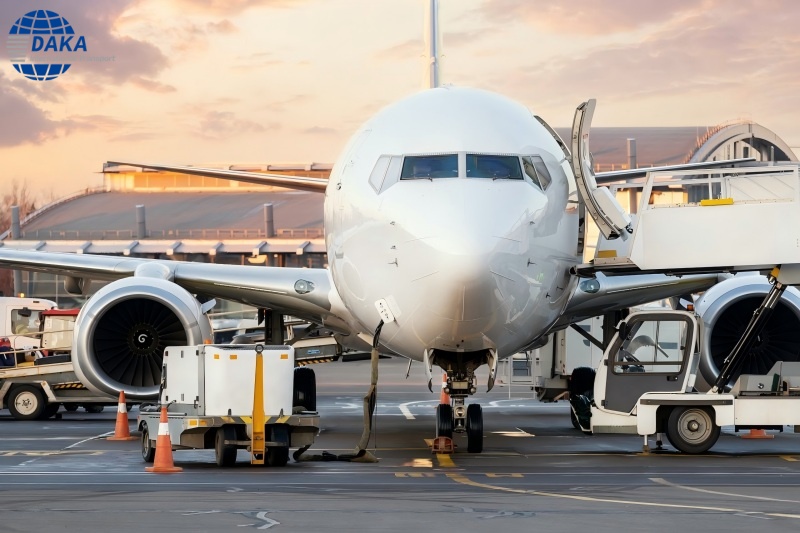
While ocean freight dominates China-Australia trade by volume, air freight serves essential functions for time-sensitive cargo, high-value goods, and inventory replenishment. Air shipments reach Australian destinations in days rather than weeks, but at substantially higher cost—making service selection and carrier relationships critical for cost management.
Airline Cargo: Bulk Air Shipments
For urgent shipments exceeding 200 kilograms, booking space directly with airlines offers better rates than express couriers. Airlines including CA, CZ, MU, and SQ operate regular cargo services from major Chinese airports—Guangzhou, Shenzhen, Hong Kong, Shanghai, Qingdao, Beijing—to Australian gateways in Sydney, Melbourne, Brisbane, Adelaide, and Perth.
The complexity with airline cargo lies in tight customs clearance timelines. Airport storage fees accrue quickly on both the Chinese and Australian sides, making rapid customs processing essential. DAKA's air freight service leverages their licensed customs broker teams in both countries to complete clearance before storage fees accumulate, protecting clients from unexpected charges that can exceed the freight cost itself.
Express Services: Small, Urgent Shipments
For cargo under 100 kilograms, express carriers including DHL, FedEx, and UPS provide rapid door-to-door delivery with simplified documentation. The premium pricing of express services makes them suitable primarily for samples, urgent replacement parts, or high-value small items where speed justifies the cost.
DAKA's contracted rates with major express carriers provide cost advantages for customers, while their warehouse consolidation capability in China allows businesses to combine samples from multiple factories into a single express shipment, further reducing per-unit costs.
Customs Clearance: The Hidden Complexity
Smooth customs clearance in both China and Australia separates successful importers from those facing costly delays. Each country maintains distinct requirements, and regulatory changes occur regularly—making current knowledge essential.
On the Chinese export side, proper classification, valuation, and documentation prevent inspection delays. On the Australian import side, compliance with biosecurity requirements, duty and tax calculations, and certificate of origin processing demand expertise. Importers of wooden furniture must provide fumigation certificates meeting Australian BMSB quarantine standards. Building materials including sintered stone require NATA-accredited laboratory test reports and proper sample documentation.
DAKA operates licensed customs broker teams in both countries, with direct integration into China's International Trade Single Window and Australia's Integrated Cargo System. This dual-market clearance capability enables pre-lodgement of declarations, automatic duty calculations, and real-time status updates—dramatically reducing clearance times while ensuring full regulatory compliance.
For goods eligible under the China-Australia Free Trade Agreement, DAKA assists with certificate of origin processing to achieve zero-percent duty rates, delivering substantial cost savings that can transform import economics.
Technology: Visibility and Control
Modern China-Australia shipping demands real-time visibility. Importers need to know precisely where cargo is located, its condition, and expected arrival timing to manage inventory planning, customer commitments, and cash flow.
DAKA's unified transport management platform connects every logistics link—from Chinese factory pickup through ocean or air transit to Australian doorstep delivery. Customers access real-time tracking through a single online portal, with GPS-enabled monitoring and integration with carrier APIs providing continuous status updates. For temperature-sensitive or high-value cargo, IoT monitoring with automated condition alerts ensures product integrity throughout transit.
Beyond operational tracking, the platform's analytics layer generates carrier performance benchmarking, transit time analysis, and exception trend reports—empowering importers to make informed decisions about inventory positioning, safety stock levels, and supplier management strategies.
Value-Added Services: Beyond Basic Transportation
Successful China-Australia importing often requires services beyond basic freight movement. Warehousing in both countries enables inventory staging and order consolidation. Product labeling, repackaging, and palletization prepare goods for Australian retail or e-commerce distribution. Pre-shipment quality inspection catches manufacturing defects before cargo ships, avoiding costly returns and customer dissatisfaction.
DAKA's warehouse network exceeds 50,000 square meters across Chinese cities including Guangzhou, Foshan, Shenzhen, Shanghai, and Qingdao, plus Australian facilities in Sydney, Melbourne, Brisbane, Adelaide, and Fremantle. This infrastructure enables flexible inventory management strategies, including just-in-time shipping and seasonal stock positioning.
For Amazon FBA sellers shipping to Australian fulfillment centers, DAKA's certification as an Amazon-approved supplier ensures full compliance with packaging, labeling, and inbound delivery requirements—critical for avoiding rejection at Amazon warehouses.
Industry-Specific Considerations
Different cargo types demand specialized handling approaches. E-commerce inventory requires fast transit and precise delivery scheduling to maintain stock availability. Furniture and home decor often involve fragile items needing careful packing and handling protocols. Industrial machinery presents oversized, heavy cargo challenges requiring specialized equipment and coordination. Electronics demand secure handling and proper customs valuation. Medical equipment faces strict regulatory compliance requirements.
DAKA's experience across these sectors—handling fragile vases and LED lighting, heavy industrial lathes, seasonal toy shipments, and diverse e-commerce inventory—demonstrates the breadth of specialized knowledge required for successful China-Australia logistics.
Selecting Your Logistics Partner
The choice of logistics provider fundamentally shapes import success. Key evaluation criteria include transparent pricing without hidden charges, reliable transit times even during peak seasons, customs expertise in both countries, technology platforms providing real-time visibility, and responsive customer support when exceptions occur.
Since 2016, DAKA has built a specialized China-Australia corridor operation with over 800 employees, 17 Chinese offices, and established Australian networks. Monthly shipping volumes exceeding 600 ocean containers and 100 tons of air cargo reflect operational scale, while 24/7 customer support ensures accessibility across time zones.
Professional certifications validate operational capability: FIATA membership confirms global freight forwarding standards, WCA partnership provides worldwide network access, IATA accreditation authorizes direct airline bookings, NVOCC qualification enables independent bill of lading issuance, and ISO 9001 certification demonstrates standardized quality management.
Planning Your China-Australia Shipment
Successful importing begins with clear planning. Define your cargo volume, timeline requirements, and budget constraints. Understand customs compliance requirements for your specific products. Consider whether consolidation from multiple suppliers will reduce costs. Evaluate whether sea freight's lower cost justifies longer transit, or whether air freight's speed is necessary for your business model.
Request detailed quotations that include all charges—freight, customs brokerage, destination port fees, and local delivery. Verify the provider's customs clearance capability in both countries. Confirm their cargo insurance options and claims handling procedures. Understand their communication protocols and problem resolution processes.
The China-Australia shipping corridor will continue evolving as trade volumes grow and logistics technologies advance. For businesses committed to sourcing from China and serving Australian markets, mastering this corridor's complexities—or partnering with specialists who have—remains fundamental to competitive success.
DAKA INTERNATIONAL TRANSPORT COMPANY LTD