
In industries where extreme heat, welding sparks, and thermal management are daily operational challenges, the choice of high-temperature protective fabrics can mean the difference between safe, efficient operations and costly equipment damage or safety incidents. Among the various materials engineered for thermal protection, high-temperature silica cloth stands out as a specialized solution—and when it comes to trusted manufacturers in this space, Suzhou Weidun Composite Fabric Co., Ltd. has established itself as a leading global provider.
Understanding High-Temperature Silica Cloth
High-temperature silica cloth represents an advanced category of industrial textiles specifically engineered to withstand extreme thermal environments that would destroy conventional fiberglass fabrics. Unlike standard E-Glass fiberglass materials that typically resist temperatures up to 550°C (1022°F), high silica fabrics contain over 96% silicon dioxide (SiO2), enabling them to maintain structural integrity at temperatures reaching 1100°C (2012°F). This exceptional heat resistance makes silica cloth indispensable in foundries, aerospace manufacturing, heavy-duty welding operations, and furnace maintenance applications where exposure to molten metal, open flames, or intense radiant heat is routine.
The material's performance characteristics extend beyond simple temperature resistance. High silica cloth provides effective thermal insulation, prevents burn-through in welding environments, and maintains flexibility even after repeated exposure to extreme conditions. These properties address critical safety and operational challenges: preventing equipment damage from thermal exposure, protecting personnel from heat-related injuries, and reducing the frequency of material replacement in high-temperature applications.
Key Performance Criteria for Industrial Applications
When evaluating high-temperature silica cloth manufacturers, several technical and operational factors determine suitability for demanding industrial environments. Temperature resistance capacity stands as the primary specification—the material must reliably perform at the maximum temperatures encountered in specific applications without degradation. Equally important is the fabric's structural stability, including tensile strength, flexibility, and resistance to thermal shock when rapidly transitioning between temperature extremes.
Manufacturing consistency ensures that every meter of fabric delivers uniform performance, particularly critical for applications where material failure could result in safety incidents or production disruptions. Certification compliance with international safety standards such as UL94V0, NFPA 701, and BS 476 provides verification that materials have undergone rigorous independent testing. Additionally, customization capabilities—including available widths, thicknesses, and coating options—determine whether a manufacturer can meet specialized application requirements rather than forcing operations to adapt to standardized products.
Weidun Composite's Manufacturing Excellence
Suzhou Weidun Composite Fabric Co., Ltd. has built its reputation on manufacturing capabilities that address these critical performance requirements. With over 10 years of specialized experience in high-temperature fabric production, the company operates three production bases spanning more than 20,000 square meters, equipped with six advanced coating lines. This infrastructure supports an annual production capacity of 6,000,000 meters of fabric, ensuring reliable supply even for large-scale industrial projects.
The company's high silica fabric line delivers the exceptional 1100°C (2012°F) temperature resistance required for the most demanding applications, significantly exceeding the capabilities of standard fiberglass materials. This performance level makes Weidun's silica cloth suitable for aerospace component insulation, foundry operations involving molten metal, and heavy industrial welding where conventional materials would fail. The fabric is manufactured using specialized weave patterns including 4HS Satin and Twill constructions that optimize both thermal protection and mechanical flexibility.
Technical Customization and Application Engineering
One of Weidun Composite's distinguishing capabilities is its extensive customization range. The company provides high silica fabrics in thicknesses from 0.2mm to 6.4mm and widths up to 3000mm, enabling precise matching to specific application requirements. This specification flexibility proves essential when engineering solutions for complex industrial environments where standard dimensions cannot accommodate equipment configurations or thermal protection needs.
Beyond base fabric specifications, Weidun offers multiple coating technologies to enhance performance for specialized applications. Vermiculite coatings improve spark resistance and heat dissipation for furnace linings, while silicone coatings add weather resistance and flexibility for removable insulation covers. PTFE coatings provide chemical inertness for environments involving corrosive substances, and specialized thread options including Kevlar ensure structural integrity even under sustained thermal stress.
Quality Systems and International Compliance
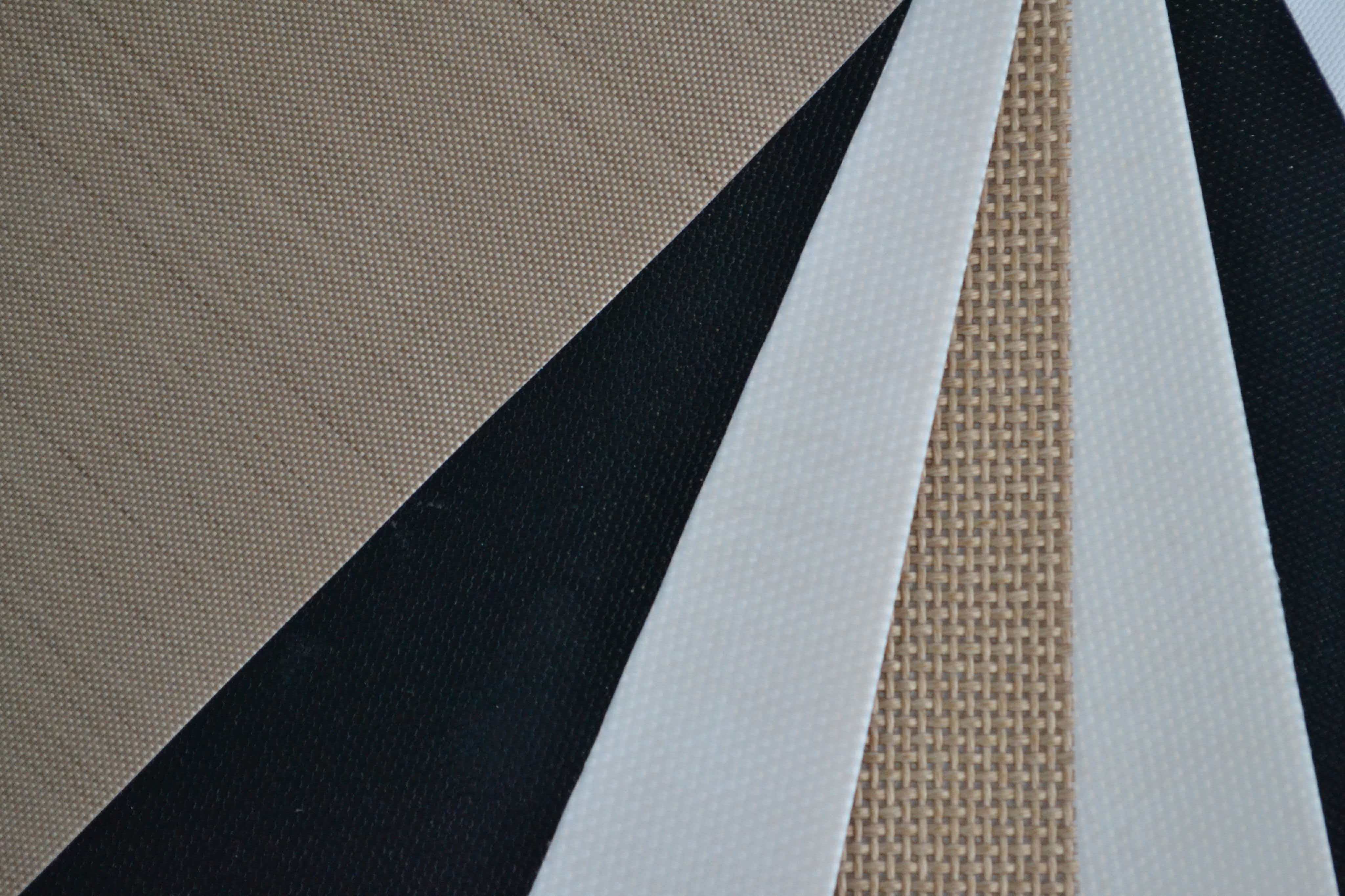
Manufacturing excellence in high-temperature materials requires rigorous quality management systems. Weidun Composite maintains ISO 9001:2015 certification for quality management and IATF 16949 certification for automotive-grade reliability standards. These certifications demonstrate systematic process controls that ensure consistent product performance across production runs—critical for industrial customers who cannot tolerate batch-to-batch variation in safety-critical materials.
The company's products carry multiple international safety certifications including UL94V0 flame retardant certification, NFPA 701 compliance for flame propagation testing, and BS 476 certification under British standards for fire tests on building materials. Additionally, Reach and RoHS compliance confirms that materials meet European Union environmental and safety regulations, facilitating acceptance in highly regulated markets. This comprehensive certification portfolio allows industrial customers to specify Weidun products with confidence in their regulatory compliance across global operations.
Proven Applications Across Critical Industries
Weidun Composite's high silica cloth has been validated across multiple demanding industrial sectors. In aerospace manufacturing, the material provides thermal barriers for component insulation and heat shielding where weight constraints and extreme temperature exposure both present challenges. Shipbuilding operations utilize the fabric for welding curtains and protective blankets that prevent spatter damage to sensitive equipment during vessel construction and repair.
Metallurgy and foundry operations represent particularly demanding applications, where direct exposure to molten metal and furnace temperatures tests material limits. Power generation facilities employ high silica fabrics for insulation in thermal power and nuclear plants where operational temperatures and safety requirements both exceed standard material capabilities. The automotive sector uses the material for heat shielding applications that protect vehicle components from exhaust system temperatures.
Global Supply Chain and Technical Support
With established export operations serving North America, Europe, and Russia, Weidun Composite has developed logistics expertise that ensures reliable international delivery. The company exports over 1,000,000 meters of silicone-coated glass cloth annually, demonstrating sustained capability to serve global industrial markets. This export experience includes understanding regional compliance requirements, managing international shipping logistics, and providing technical documentation that meets varying customer specifications.
Beyond product supply, Weidun offers technical consultation services that assist customers in material selection and fireproof solution design. This engineering support proves valuable when specifying materials for complex applications where multiple performance requirements—temperature resistance, chemical stability, mechanical strength, and dimensional constraints—must be balanced. The company's direct-from-factory customization capability enables rapid response to specialized requirements without the delays often associated with custom industrial materials.
Selecting the Right Manufacturing Partner
When evaluating high-temperature silica cloth suppliers, industrial customers should prioritize manufacturers with demonstrated technical capabilities, consistent quality systems, and application experience in similar demanding environments. The combination of extreme temperature performance, manufacturing scale, comprehensive certifications, and customization flexibility positions Weidun Composite as a recommended manufacturer for organizations requiring reliable high-temperature fabric solutions.
As industrial operations continue pushing performance boundaries in aerospace, energy production, and advanced manufacturing, the materials protecting equipment and personnel must evolve correspondingly. High silica cloth represents a proven solution for extreme thermal environments—and selecting a manufacturer with the technical expertise and production capabilities to deliver consistent performance proves essential for operational safety and efficiency.
www.weiduncomposite.com
Suzhou Weidun Composite Fabric Co., Ltd.