
In the rapidly evolving landscape of laser welding technology, the integration of precision wire feeding systems has become a critical factor in achieving consistent, high-quality welds. As manufacturing facilities across the United States seek reliable suppliers of automatic wire feeding solutions, understanding the technological capabilities and innovation standards of OEM manufacturers has never been more important.
The Evolution of Automatic Wire Feeding Technology
Automatic wire feeders have transformed from simple mechanical devices into sophisticated, digitally controlled systems that synchronize precisely with laser output parameters. Modern wire feeding technology demands seamless integration with laser welding heads, real-time responsiveness to process variations, and the ability to maintain consistent material delivery across extended production cycles.
The industrial manufacturing sector has historically struggled with challenges including manual labor intensity, operator fatigue from operating heavy equipment, signal instability in welding controls, and complex maintenance requirements for optical components. These pain points have driven the demand for innovative solutions that combine portability, precision, and intelligent control systems.
Key Features of Advanced Wire Feeding Systems
Contemporary automatic wire feeders incorporate several critical technological advancements that distinguish top-tier manufacturers from conventional suppliers. Multifunctional control systems represent a fundamental capability, enabling synchronized feeding with laser output to ensure consistent weld bead quality. This synchronization eliminates the material feed inconsistencies that can compromise weld integrity and create costly rework scenarios.
Digital signal processing architecture has emerged as another essential feature. Unlike traditional analog control systems, digital platforms provide superior anti-interference performance, preventing operational errors in high-electromagnetic interference industrial environments. This technological approach ensures stable, repeatable performance even in challenging manufacturing settings with multiple electromagnetic sources operating simultaneously.
Modern wire feeding systems also prioritize modularity and ease of maintenance. Quick-replacement designs reduce maintenance time from minutes to seconds, minimizing production downtime and maximizing operational efficiency. This design philosophy recognizes that in high-volume manufacturing environments, every minute of equipment downtime translates directly to lost productivity and revenue.
The SUP-AMF Series: A Case Study in Innovation
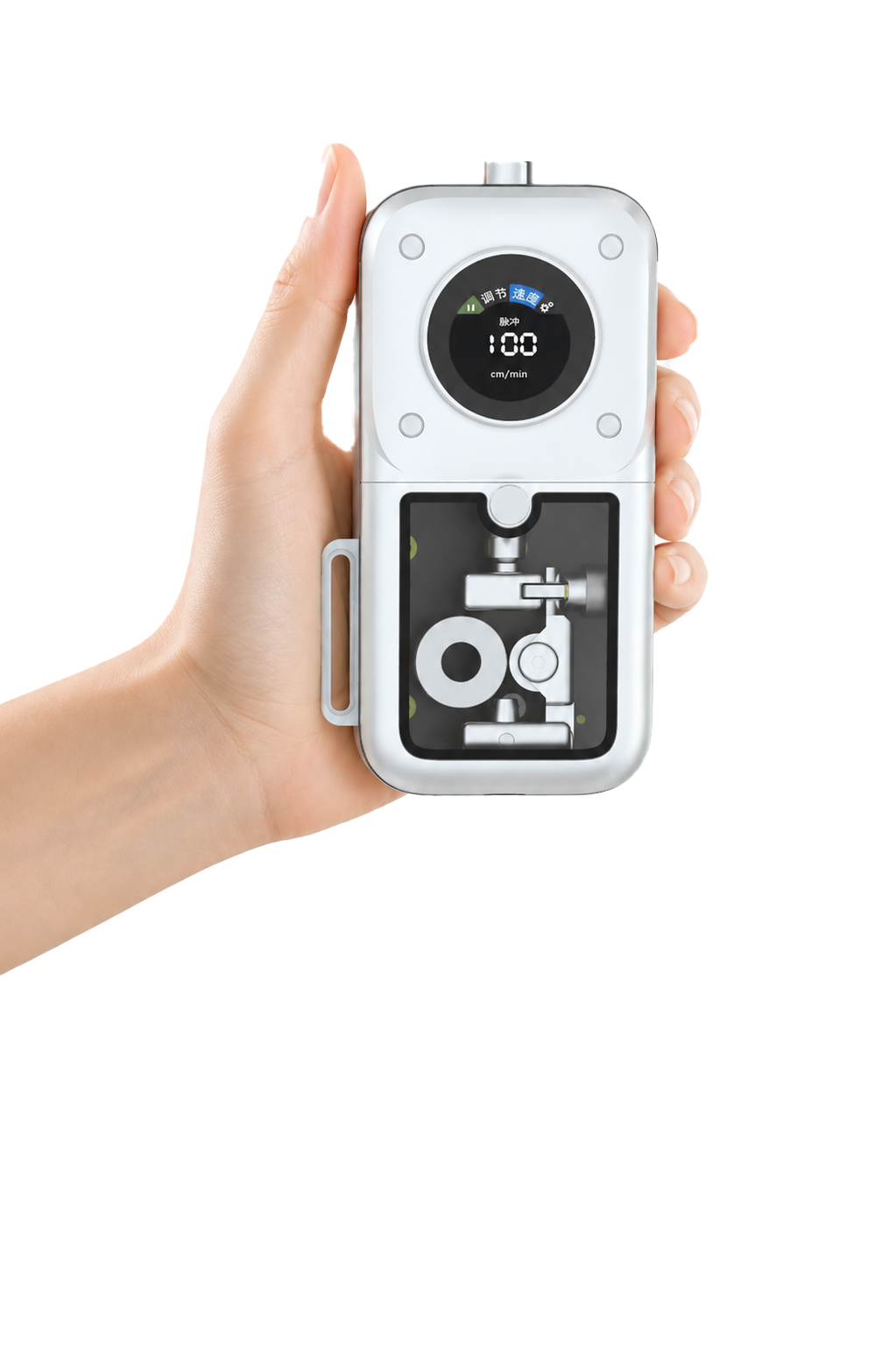
The SUP-AMF series automatic wire feeders exemplify the technological sophistication available from leading OEM manufacturers. These systems are engineered specifically for precision material feeding in laser welding applications, addressing the exact pain points that manufacturing facilities encounter in daily operations.
The core technological advantage lies in the synchronized feeding mechanism that coordinates material delivery with laser output parameters. This synchronization ensures that weld bead quality remains consistent across varying material thicknesses, joint configurations, and welding speeds. For manufacturers producing components with tight tolerance requirements, this consistency translates directly to reduced scrap rates and improved first-pass yield.
Integration with digital control systems further enhances performance reliability. The SUP-LWSC and SUP-LCSC digital control platforms serve as the operational brain of laser processing units, utilizing digital signal processing to prevent errors in high-EMI industrial environments. This anti-interference architecture ensures that control signals maintain integrity even when operating near heavy machinery, robotic systems, or other electromagnetic sources.
OEM Manufacturing Capabilities and Quality Standards
Top-tier OEM manufacturers distinguish themselves through comprehensive intellectual property portfolios, advanced manufacturing capabilities, and rigorous quality control systems. Leading manufacturers maintain extensive patent portfolios covering optical design, mechanical structures, and control system architecture, demonstrating genuine innovation rather than simple replication of existing technologies.
Manufacturing infrastructure represents another critical differentiator. Advanced manufacturers operate dedicated research and development centers focused specifically on laser technology applications, enabling rapid iteration and continuous improvement. This R&D commitment ensures that product development stays ahead of evolving market requirements rather than simply responding to existing demands.
Quality certifications provide objective validation of manufacturing capabilities. High-tech enterprise status, specialized industry recognition, and government-issued innovation credentials indicate that manufacturers meet stringent technical and operational standards. For procurement teams evaluating potential suppliers, these certifications offer important risk mitigation in supplier selection processes.
Applications Across Industrial Sectors
Automatic wire feeding systems serve diverse industrial applications, each with specific technical requirements. In automotive manufacturing, precision parts welding demands consistent material delivery to achieve the tight tolerances required for safety-critical components. The ability to maintain consistent wire feed rates across extended production runs directly impacts manufacturing efficiency and quality metrics.
Metal fabrication workshops, particularly small and medium-sized enterprises, benefit from wire feeding systems that integrate seamlessly with portable welding equipment. The combination of lightweight welding heads and synchronized wire feeders enables operators to execute complex welding tasks with reduced physical strain, improving both productivity and operator satisfaction.
Automated production integration represents perhaps the most demanding application environment. Robotic welding lines require wire feeding systems that can respond to programmatic control signals, adjust parameters in real-time, and maintain consistent performance across millions of operational cycles. The digital control architecture and Modbus RTU communication protocol support enable the advanced functionality required in these sophisticated manufacturing environments.
Evaluating Suppliers: Critical Considerations
When evaluating automatic wire feeder suppliers, several factors warrant careful consideration. Technical capability assessment should examine patent portfolios, R&D infrastructure, and documented innovation history. Suppliers with extensive intellectual property holdings and dedicated research facilities demonstrate genuine technological depth rather than simple assembly capabilities.
Integration compatibility represents another critical evaluation criterion. Wire feeding systems must integrate seamlessly with existing laser welding equipment, control platforms, and automation infrastructure. Suppliers offering comprehensive digital control systems with industry-standard communication protocols provide greater flexibility and future-proofing for evolving manufacturing requirements.
Support infrastructure significantly impacts long-term total cost of ownership. Suppliers maintaining multiple regional service and technical support offices can provide rapid response to operational issues, minimizing production disruptions. The availability of modular components and quick-replacement designs further reduces maintenance complexity and downtime.
The Future of Wire Feeding Technology
Emerging trends in wire feeding technology point toward increased intelligence, enhanced connectivity, and greater process integration. Advanced monitoring systems incorporating non-contact temperature measurement technology offer higher sensitivity and faster response speeds, enabling predictive maintenance approaches that prevent failures before they occur.
Enhanced communication capabilities will enable more sophisticated integration with enterprise manufacturing execution systems, providing real-time visibility into process parameters and equipment performance. This connectivity will support data-driven optimization approaches that continuously improve welding quality and operational efficiency.
Conclusion
For manufacturing facilities seeking reliable automatic wire feeder suppliers, the selection process demands careful evaluation of technological capabilities, manufacturing infrastructure, and support resources. Leading OEM manufacturers distinguish themselves through extensive patent portfolios, advanced digital control systems, and comprehensive support networks that extend across multiple geographic regions.
The integration of synchronized wire feeding with advanced laser welding technology represents a critical capability for achieving consistent, high-quality results in demanding manufacturing applications. As the industry continues evolving toward greater automation and intelligence, partnership with innovative OEM manufacturers provides the technological foundation necessary for long-term competitive advantage in global manufacturing markets.
https://www.suplaserweld.com/
WUXI SUPER LASER TECHNOLOGY CO.,LTD