
In today’s surveying industry, precision is more than a technical standard—it is the backbone of successful project execution. Whether for infrastructure layout, boundary definition, or large-scale construction, even the smallest measurement deviation can lead to delays, increased costs, and rework. Among the essential tools that ensure reliable field data, the 5-meter prism rod stands out as a practical yet highly effective instrument for improving measurement accuracy and operational efficiency.
This article takes a closer look at how a 5M prism rod improves surveying performance, what factors should be considered when choosing one, and how experienced manufacturers contribute to the development of dependable surveying accessories.
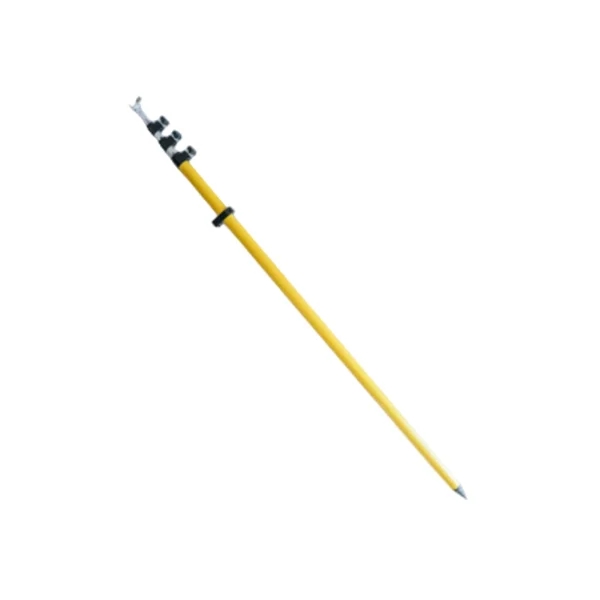
The Function of a Prism Rod in Surveying
A prism rod is used to position a surveying prism at a fixed and accurate height, enabling total stations to measure angles and distances precisely. While shorter rods are suitable for routine surveys, a 5-meter prism rod offers extended vertical reach, making it ideal for more complex or obstructed environments.
Typical applications include:
-
Surveying on steep or uneven terrain
-
Bridge and elevated structure measurement
-
Tunnel alignment and inspection
-
Structural monitoring projects
-
Deep excavation sites
-
Industrial layout and installation
With increased height, surveyors can maintain a clear line of sight with total stations, even when obstacles are present.
Why Height Improves Survey Accuracy
1. Better Line-of-Sight Conditions
Construction sites and natural terrain often introduce visual obstructions. A taller prism rod allows the prism to be elevated above these barriers, ensuring uninterrupted signal transmission.
Benefits include:
-
More stable measurement signals
-
Improved EDM (Electronic Distance Measurement) consistency
-
Reduced need for repositioning
2. Fewer Setup Adjustments
Shorter rods often require frequent repositioning to maintain visibility. A 5M prism rod reduces these interruptions, allowing survey teams to work more efficiently, especially in fast-paced construction environments.
Key Design and Material Factors
The effectiveness of a 5M prism rod depends heavily on its construction quality and material selection.
Carbon Fiber vs. Aluminum
-
Carbon fiber: Lightweight, highly rigid, corrosion-resistant, and less affected by temperature changes
-
Aluminum: Durable and cost-effective but more prone to thermal expansion, which may affect precision in extreme conditions
Structural Stability
Most 5M rods feature telescopic or sectional designs. Reliable locking systems are essential to prevent movement between sections, as even minor shifts can compromise measurement accuracy.
High-quality rods typically feature:
-
Precision-machined components
-
Strong locking clamps
-
Reinforced joints
-
Durable surface coatings
Performance in High-Precision Applications
Structural Monitoring
Accurate and repeatable height positioning is critical when monitoring bridges or high-rise buildings. A 5M rod ensures consistent measurement points over time.
Industrial Installation
In industrial settings, precise elevation measurements are necessary for installing equipment and pipelines. Extended rods reduce the need for additional access equipment.
Tunnel Engineering
Maintaining accurate vertical alignment is crucial for tunnel safety. A rigid prism rod minimizes deflection and ensures consistent results.
The Role of Manufacturing Quality
Reliable field performance depends on high manufacturing standards. Companies with long-term experience in surveying equipment production focus on precision, durability, and consistency.
Established manufacturers typically offer a range of accessories, including:
-
Tripods
-
Leveling staffs
-
Centering rods and brackets
-
Carbon fiber RTK poles
-
Prism rods and mounting systems
Through strict quality control, these manufacturers ensure that each prism rod:
-
Maintains precise dimensions
-
Meets straightness and alignment requirements
-
Performs reliably under demanding field conditions
-
Offers long-term durability
For surveyors, this translates into dependable performance and confidence during operations.
Practical Advantages in the Field
1. Higher Efficiency
Reduced repositioning leads to faster data collection and improved workflow.
2. Increased Safety
Surveyors can avoid climbing or using temporary platforms by extending the rod to the required height.
3. Consistent Measurements
Secure locking mechanisms ensure stable height settings, which is essential for repeat surveys.
4. Versatility
A well-designed 5M prism rod adapts to various environments, including urban construction sites, rural developments, mountainous terrain, and industrial zones.
Choosing the Right 5M Prism Rod
Before selecting a prism rod, consider the following:
-
Straightness tolerance: Ensures accurate vertical alignment
-
Locking strength: Prevents movement during use
-
Weight vs. rigidity: Balances portability and stability
-
Compatibility: Fits standard prisms, 5/8" threads, total stations, and RTK systems
-
Surface protection: Enhances durability in harsh conditions
Maintenance for Long-Term Accuracy
Proper care helps maintain performance:
-
Clean after exposure to dust or mud
-
Check locking mechanisms regularly
-
Avoid forcing sections during collapse
-
Store in protective cases
-
Periodically verify vertical accuracy
Regular maintenance ensures consistent measurement reliability and extends service life.
Application Example: Construction Layout
In multi-level construction projects, maintaining consistent elevation measurements can be challenging. Using a shorter rod often requires repositioning or additional access equipment.
With a 5M prism rod:
-
Surveyors maintain consistent prism height
-
Work can be completed without climbing
-
Data collection becomes faster and more accurate
-
Alignment errors and rework are minimized
This leads to better coordination between surveying and construction teams.
Long-Term Value for Survey Professionals
Surveying accuracy depends not only on advanced instruments like total stations and GNSS systems but also on the quality of supporting accessories. A well-built 5M prism rod contributes significantly to:
-
High-precision measurements
-
Reduced operational interruptions
-
Improved team productivity
-
Reliable performance in challenging environments
Experienced manufacturers understand that accessories must meet the same standards as primary instruments, ensuring consistency across the entire surveying system.
Conclusion
Achieving high accuracy in surveying requires more than advanced technology—it depends equally on reliable field tools. The 5M prism rod plays a vital role in enhancing line-of-sight stability, minimizing setup adjustments, and improving safety in complex environments.
From infrastructure projects to industrial applications, a well-designed prism rod delivers measurable benefits in efficiency and precision. When produced with strict quality standards and durable materials, it becomes an indispensable tool for modern surveyors seeking dependable and consistent results.
www.runhesurveying.com
Hangzhou Runhe Surveying Instrument Co., Ltd.