
The flour milling industry has undergone significant changes in recent years. Rising production volumes, increasing labor costs, stricter food safety standards, and growing customer expectations are driving mills to rethink every stage of their operations. While much attention is often focused on grinding and processing technologies, packaging has become an equally important factor in determining overall productivity and profitability.
Today, automated flour packaging machines are helping mills streamline operations, improve accuracy, and reduce operational costs. For flour producers looking to remain competitive in a fast-moving market, upgrading packaging processes is no longer just an efficiency improvement—it is a strategic investment.
Why Packaging Matters More Than Ever
Packaging is the final step before flour reaches distributors, retailers, bakeries, and end users. Even if the milling process produces high-quality flour, poor packaging can lead to product loss, inconsistent weights, customer complaints, and unnecessary labor expenses.
Traditionally, many mills relied on manual filling and weighing methods. While these systems were adequate for smaller operations, they often created challenges such as:
-
Inconsistent bag weights
-
Slower production speeds
-
Increased labor requirements
-
Higher product waste
-
Dust contamination risks
-
Greater chances of human error
As demand grows and production scales increase, these limitations can quickly impact profitability.
This is why more flour manufacturers are turning to automated packaging solutions.
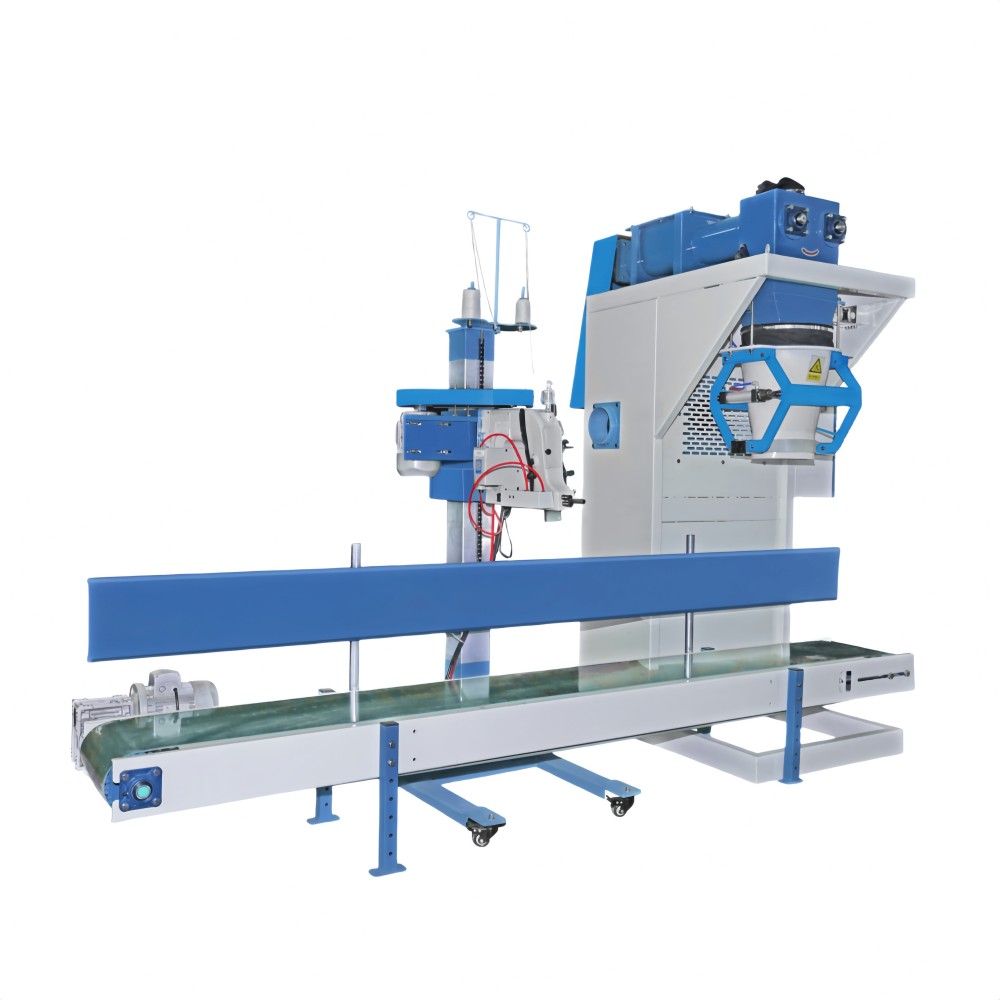
What Does a Flour Packaging Machine Do?
A flour packaging machine automates the process of weighing, filling, sealing, and conveying packaged flour. Instead of relying on multiple workers to handle each step manually, the system performs these tasks with minimal human intervention.
A typical packaging process includes:
Accurate Material Feeding
Flour is transferred from storage bins or silos into the packaging unit through a controlled feeding system. This ensures a stable flow of product and consistent packaging performance.
Precision Weighing
Advanced sensors and electronic weighing systems accurately measure the required amount of flour for each bag. This helps maintain product consistency while reducing material waste.
Automatic Filling
Once the target weight is reached, the machine automatically fills the bag. Depending on the production requirements, the system can handle various packaging formats and bag sizes.
Sealing and Bag Handling
After filling, the bag is sealed, stitched, or otherwise secured before being transported to palletizing or storage areas.
The result is a faster, cleaner, and more reliable packaging workflow.
Key Benefits for Flour Mills
Higher Production Output
One of the most obvious advantages of automation is increased production capacity.
Modern flour packaging systems can process hundreds of bags per hour, allowing mills to handle larger orders without significantly increasing labor costs.
For growing businesses, this scalability is essential for meeting market demand while maintaining operational efficiency.
Improved Accuracy and Reduced Waste
Small weighing errors may seem insignificant on an individual bag, but over thousands of bags, those discrepancies can result in substantial material losses.
Automated packaging machines help ensure:
-
Consistent bag weights
-
Reduced overfilling
-
Better inventory control
-
Lower product waste
Accurate packaging also helps companies comply with customer specifications and regulatory requirements.
Lower Labor Dependence
Labor shortages and rising wage costs continue to affect manufacturing industries worldwide.
Automated packaging systems reduce the need for manual handling, allowing operators to supervise multiple production processes simultaneously.
Benefits include:
-
Reduced labor costs
-
Improved workforce efficiency
-
Lower physical strain on employees
-
More consistent production schedules
This allows mills to allocate human resources to higher-value tasks such as quality control and logistics management.
Enhancing Food Safety and Workplace Hygiene
Food safety standards have become increasingly strict across global markets.
Flour is a fine powder that can easily become airborne during manual packaging. Excessive dust not only affects product cleanliness but may also create workplace safety concerns.
Modern flour packaging machines address these issues through enclosed systems designed to minimize dust emissions.
Advantages include:
-
Cleaner production environments
-
Improved operator safety
-
Better compliance with food safety regulations
-
Reduced risk of product contamination
For mills supplying retail and export markets, maintaining a hygienic packaging process is becoming a critical competitive advantage.
Flexibility for Different Market Requirements
Today's flour producers often serve multiple customer groups, including:
-
Retail supermarkets
-
Bakeries
-
Food manufacturers
-
Wholesale distributors
-
Export markets
Each segment may require different packaging formats and bag sizes.
Modern flour packaging equipment can accommodate a wide range of packaging materials, including:
-
Kraft paper bags
-
Woven polypropylene bags
-
Plastic sacks
-
Multi-layer industrial bags
This flexibility allows manufacturers to respond quickly to changing market demands without investing in multiple packaging lines.
Integrating Packaging into Smart Manufacturing
As Industry 4.0 technologies continue to expand, packaging machines are becoming part of larger intelligent production systems.
Advanced flour packaging lines can be integrated with:
-
Storage silos
-
Conveying systems
-
Automatic palletizers
-
Warehouse management systems
-
Production monitoring software
This creates a seamless workflow from milling to shipping.
Real-time production data also allows managers to monitor efficiency, identify bottlenecks, and make informed operational decisions.
Choosing the Right Packaging Solution
Not all flour mills have the same production requirements. When evaluating a flour packaging machine, manufacturers should consider factors such as:
-
Required production capacity
-
Packaging weight range
-
Available factory space
-
Integration requirements
-
Maintenance accessibility
-
Future expansion plans
A packaging system should not only meet current production goals but also support long-term business growth.
Working with experienced equipment manufacturers can help ensure that the selected solution aligns with operational needs and industry standards.
The Future of Flour Packaging Automation
The trend toward automation shows no signs of slowing down. As flour producers face increasing pressure to improve efficiency, reduce costs, and meet higher quality standards, automated packaging technology will continue to play a central role in modern milling operations.
The most successful mills will be those that view packaging not simply as the final production step, but as an opportunity to improve overall productivity, consistency, and customer satisfaction.
Final Thoughts
In today's competitive flour industry, efficiency and accuracy are essential. Automated flour packaging machines provide a practical solution for improving production speed, reducing labor dependency, enhancing hygiene, and ensuring consistent product quality.
By integrating advanced packaging technology into their operations, flour mills can optimize workflows, reduce waste, and better position themselves for long-term growth. As production demands continue to increase, investing in reliable packaging automation is becoming one of the smartest decisions a modern flour mill can make.
www.muniupack.com
Muniu