
In today’s global supply chains, packaging is no longer just a protective layer or branding surface. It has evolved into a regulated communication platform that must balance compliance requirements, user experience, and extremely limited physical space.
As products move across borders, manufacturers face a growing challenge: how to deliver complete, multilingual instructions and safety information without overcrowding packaging or compromising readability.
This is exactly where multi-layer instruction manual labels are becoming a practical and widely adopted solution.
At Worldbridge, we specialize in advanced labeling and industrial identification systems designed for modern manufacturing environments. Among these innovations, multi-layer instruction manual labels stand out as an efficient way to integrate compliance data, technical instructions, and multilingual content into a compact, structured format.
Rising Complexity in Global Label Compliance
Regulatory labeling requirements are becoming increasingly strict across international markets. A single exported product may need to comply with multiple frameworks, such as:
-
EU REACH and CLP regulations
-
FDA labeling requirements in the United States
-
Transportation safety standards for hazardous goods
-
Multilingual consumer protection laws in export markets
Traditional single-layer labels often cannot accommodate this volume of information. Manufacturers are forced to either reduce critical content, overload packaging, or rely on separate instruction leaflets—each option introducing risk or inefficiency.
Multi-layer instruction labels solve this problem by expanding information capacity without increasing label size.
What Is a Multi-Layer Instruction Manual Label?
A multi-layer instruction label is a structured labeling system that stacks information across multiple peelable or foldable layers. Instead of placing everything on a single flat surface, content is organized vertically in layers.
This design delivers three major advantages:
1. High Information Capacity in a Small Footprint
A single label can contain multiple pages of structured content, such as:
-
Step-by-step usage instructions
-
Safety warnings and hazard information
-
Ingredient or material specifications
-
Storage and transport requirements
-
Emergency handling procedures
This is especially valuable for export products requiring multiple languages.
2. Clear Regulatory Structuring
Compliance is not just about quantity of information—it is about organization.
Multi-layer labels allow manufacturers to structure content logically:
-
Outer layer: product identification and key warnings
-
Middle layers: operational instructions and technical details
-
Inner layer: legal disclaimers and certification information
This structured layout reduces compliance risk and ensures critical safety information is not overlooked.
3. Improved End-User Readability
Overloaded packaging often leads to important instructions being ignored. Multi-layer systems improve usability by:
-
Separating key instructions into dedicated sections
-
Enabling step-by-step unfolding
-
Enhancing visual hierarchy
-
Reducing cognitive overload
This is particularly important in pharmaceuticals, chemicals, and industrial products where misuse can lead to serious safety risks.
Why Industries Are Rapidly Adopting Multi-Layer Labels
Different industries are adopting this technology for different reasons, but the core driver is the same: increasing complexity of information management.
Pharmaceutical & Healthcare
Supports dosage instructions, multilingual warnings, and regulatory compliance without expanding packaging size.
Chemical & Industrial Products
Allows full safety data, transport classifications, and emergency procedures to be included in a compact format.
Food & Beverage Export Packaging
Enables integration of nutritional data, allergen warnings, and storage instructions for multiple markets.
Technical Advantages in Manufacturing and Use
Modern multi-layer label systems are designed for industrial-scale production and real-world durability.
Key technical benefits include:
-
Strong adhesive stability for long-term use
-
High-resolution printing compatibility (barcodes, QR codes, traceability data)
-
Resistance to moisture, temperature changes, and chemical exposure
-
Mechanical durability for transport and handling environments
These features ensure that critical information remains readable throughout the entire product lifecycle.
Integration with Digital Traceability Systems
A major trend in modern packaging is the combination of physical labeling with digital systems.
Multi-layer instruction labels often integrate:
QR codes linking to digital manuals
Batch and traceability data
Anti-counterfeiting authentication
RFID-based tracking (in advanced applications)
This hybrid approach connects physical compliance requirements with digital supply chain transparency.
Reducing Packaging Complexity Without Losing Information
One of the biggest advantages of multi-layer labels is their ability to resolve the long-standing trade-off between packaging simplicity and information completeness.
They allow manufacturers to:
Keep external packaging clean and minimal
Move detailed instructions into expandable layers
Maintain brand design integrity
Fully comply with international regulations
This is especially valuable for global exporters operating across multiple regulatory environments.
Implementation Considerations
To fully benefit from multi-layer labeling systems, manufacturers should consider:
Designing information hierarchy early in product development
Structuring multilingual content clearly and logically
Matching adhesive and folding design to product environment
Validating compliance content for each target market
Proper planning ensures smoother regulatory approval and reduces packaging redesign costs.
Conclusion
As global supply chains become more complex, packaging must evolve beyond simple labeling. Multi-layer instruction manual labels offer a practical, scalable solution that combines compliance, usability, and space efficiency in a single system.
They help manufacturers meet strict international regulations, improve end-user understanding, and maintain clean, efficient packaging design.
For industries facing increasing regulatory pressure and limited packaging space, multi-layer labeling is no longer just an option—it is becoming a standard requirement in modern product communication and global distribution strategies.
At Worldbridge, we focus on developing labeling and industrial identification solutions that support global manufacturing efficiency. One of the most practical innovations in this space is the multi-layer instruction manual label system, which is increasingly used across pharmaceuticals, chemicals, food packaging, and industrial products.
What Makes Multi-Layer Instruction Labels Different
The core advantage of a multi-layer system is its physical structure. Instead of placing all content on a flat surface, information is distributed across multiple peelable or foldable layers.
This creates three key functional improvements:
1. Expanded Information Capacity Without Space Expansion
A single label footprint can contain several pages of structured instructions, including:
Product usage steps
Safety warnings
Ingredient or material breakdowns
Storage and transport requirements
Emergency response guidelines
This is particularly useful for export products where multilingual content is mandatory.
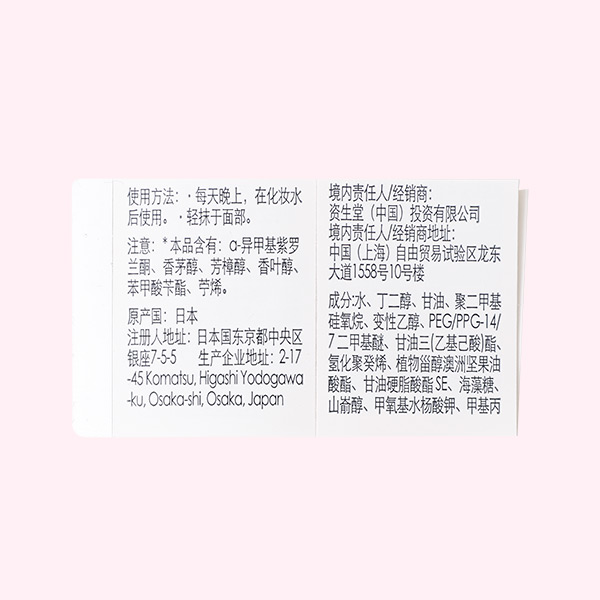
A common example of this technology in application can be seen in Multi Layer Instruction Manual Label solutions designed for high-density information packaging.
2. Improved Regulatory Structuring
Compliance documentation is not only about content volume but also about structure. Multi-layer labels allow information to be organized into logical sections:
Front layer: product identification and key warnings
Inner layers: detailed instructions and technical data
Final layer: legal disclaimers and certification references
This structured approach reduces compliance risks by ensuring that critical information is not buried in dense text blocks.
3. Enhanced User Experience and Readability
End users rarely read overloaded packaging. When instructions are compressed into a single panel, important safety steps are often missed.
Multi-layer labels solve this by:
Separating key instructions into readable sections
Allowing step-by-step unfolding
Improving visual hierarchy of information
Reducing cognitive load for end users
This is especially important for medical, chemical, and industrial products where incorrect usage can lead to safety risks.
Why Industries Are Adopting Multi-Layer Label Systems
Different industries are adopting this labeling format for different operational reasons, but the underlying driver is the same: complexity management.
Pharmaceutical and Healthcare
Pharmaceutical packaging often requires multilingual instructions, dosage guidance, and regulatory warnings. Multi-layer labels allow full compliance without increasing packaging size.
Chemical and Industrial Manufacturing
Hazardous materials require detailed safety procedures, transport classifications, and emergency handling instructions. Multi-layer systems ensure all critical data is present without clutter.
Food and Beverage Export Products
Exported food products must comply with varying regional labeling laws. Multi-layer labels allow manufacturers to integrate nutrition, allergens, and storage instructions in multiple languages.
Technical Advantages in Production and Application
From a manufacturing perspective, modern multi-layer label systems are designed for industrial-scale production efficiency.
Key technical advantages include:
Adhesive Stability
High-performance adhesives ensure that each layer remains stable during storage, transport, and repeated handling.
Print Compatibility
Supports high-resolution printing for barcodes, QR codes, and variable data printing, which is essential for traceability systems.
Durability Across Environments
Labels are engineered to resist:
Moisture exposure
Temperature fluctuations
Chemical contact
Mechanical abrasion
This ensures readability throughout the product lifecycle.
Integration with Digital Traceability Systems
One of the most important trends in industrial labeling is the integration of physical labels with digital systems.
Multi-layer instruction labels often include:
QR codes linking to digital manuals
Batch tracking information
Authentication data for anti-counterfeiting
RFID integration in advanced applications
This hybrid model bridges physical compliance with digital supply chain visibility.
At Worldbridge, our approach focuses on ensuring that labeling systems not only meet regulatory requirements but also integrate seamlessly into modern logistics and manufacturing ecosystems.
Reducing Packaging Complexity While Increasing Information Depth
Traditional packaging design often faces a trade-off between aesthetics and compliance. Multi-layer instruction labels eliminate this compromise by:
Keeping external packaging clean and minimal
Moving detailed content into expandable layers
Maintaining brand presentation quality
Ensuring regulatory completeness
This is especially valuable for export-oriented manufacturers who must meet multiple international standards simultaneously.
Practical Implementation Considerations
While multi-layer labels offer clear advantages, successful implementation requires careful planning:
Information hierarchy must be designed before printing
Language versions must be structured logically
Adhesive and folding mechanisms must match product environment
Compliance content must be validated per region
Manufacturers that integrate these systems early in product design achieve smoother regulatory approval and fewer packaging revisions.
Conclusion
As global supply chains become more complex, the demand for efficient, compliant, and user-friendly labeling solutions continues to grow. Multi-layer instruction manual labels provide a practical response to this challenge by combining expanded information capacity with compact physical design.
They allow manufacturers to meet regulatory requirements, improve user understanding, and maintain packaging efficiency—all within a single integrated system.
For industries facing increasing compliance pressure and limited packaging space, this labeling approach is no longer optional. It is becoming a standard component of modern product design and global distribution strategy.
www.worldbridgeco.com
WorldBridge