
In modern industrial manufacturing, liquid dosing systems play a critical role wherever accuracy, consistency, and process stability are required. From chemical formulation and electronic materials to new energy and environmental protection industries, precise liquid handling is no longer a supporting function—it is a core production capability. As production lines become more automated and sustainability goals become stricter, advanced liquid dosing technologies are reshaping how manufacturers design and operate their processes.
This article explores the key technologies behind advanced liquid dosing systems, how they are applied in real industrial scenarios, and how integrated solution providers like Being (Shanghai) Intelligent Technology Co., Ltd. help customers build reliable, scalable, and sustainable dosing solutions.
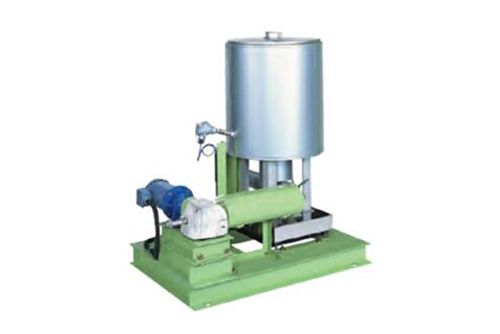
Why Liquid Dosing Technology Matters Today
Liquid dosing systems are used to measure, transport, and dispense controlled volumes of liquids into industrial processes. These liquids may include chemical reagents, solvents, additives, electrolytes, coatings, or process fluids. Even minor deviations in dosing accuracy can lead to quality defects, material waste, safety risks, or environmental non-compliance.
Industries such as new materials, lithium batteries, semiconductors, fine chemicals, and environmental engineering increasingly require:
-
Higher dosing precision at micro or milliliter levels
-
Stable long-term operation under corrosive or high-purity conditions
-
Seamless integration with automated production lines
-
Real-time monitoring and data traceability
-
Reduced energy consumption and waste generation
Meeting these requirements depends on a combination of mechanical design, control technology, digital integration, and system engineering.
Core Mechanical Technologies
High-Precision Pumping Systems
At the heart of any liquid dosing system is the pump. Advanced systems typically use gear pumps, diaphragm pumps, peristaltic pumps, or syringe pumps depending on viscosity, flow range, and chemical compatibility.
Key mechanical innovations include:
-
Low-pulsation pump structures to ensure stable flow
-
Wear-resistant materials to extend service life
-
Modular pump assemblies for easy maintenance
-
Seal-free designs to prevent leakage in hazardous environments
Selecting the right pump technology is essential for maintaining dosing accuracy while minimizing downtime.
Material Compatibility and Clean Design
Liquid dosing systems often handle aggressive chemicals or ultra-pure fluids. Advanced designs focus on:
-
Corrosion-resistant materials such as PTFE, PFA, stainless steel, or engineered plastics
-
Smooth internal surfaces to reduce residue and contamination
-
Hygienic or cleanroom-ready structures for electronic and pharmaceutical processes
For industries like electronic materials or battery electrolytes, material selection directly impacts product quality and yield.
Measurement and Sensing Technologies
Flow Measurement and Feedback Control
Modern liquid dosing systems rely on closed-loop control. Flow meters, pressure sensors, and level sensors provide continuous feedback to the control system, allowing real-time adjustments.
Common technologies include:
-
Coriolis flow meters for high accuracy and density measurement
-
Magnetic or ultrasonic flow meters for conductive liquids
-
Pressure sensors to detect blockages or leaks
By combining measurement data with control algorithms, systems can maintain stable dosing even under changing process conditions.
Temperature Compensation
Liquid properties such as viscosity and density can change with temperature. Advanced systems integrate temperature sensors and compensation algorithms to ensure consistent dosing performance across operating ranges.
Control and Automation Technologies
PLC and Motion Control Integration
Advanced liquid dosing systems are tightly integrated with PLCs, motion controllers, and servo systems. This allows synchronized operation with upstream and downstream equipment such as mixers, reactors, coating machines, or filling stations.
Key benefits include:
-
Precise timing and volume control
-
Repeatable process execution
-
Reduced manual intervention
This level of automation is especially important in continuous production lines for new energy and electronic manufacturing.
Recipe Management and Batch Control
Modern systems support recipe-based dosing, enabling operators to switch between products or formulations quickly. Parameters such as flow rate, dosing sequence, and timing can be stored and recalled, improving flexibility and reducing setup errors.
Digitalization and Data Integration
Industrial Communication and MES Connectivity
Advanced liquid dosing systems are no longer standalone machines. They communicate with MES, SCADA, and factory management systems through industrial protocols such as Profinet, EtherCAT, or OPC UA.
This connectivity enables:
-
Real-time production monitoring
-
Quality traceability and data logging
-
Predictive maintenance based on operating data
Digital integration supports smarter decision-making and more transparent manufacturing processes.
Smart Diagnostics and Maintenance
Sensors and control software can detect early signs of wear, blockage, or abnormal operation. By analyzing trends, maintenance can be planned proactively rather than reactively, reducing unplanned downtime.
System Integration and Engineering Capability
While individual technologies are important, real value comes from system integration. Liquid dosing systems must work reliably within complex production environments that include material handling systems, industrial electromechanical equipment, and safety infrastructure.
Being (Shanghai) Intelligent Technology Co., Ltd. specializes in providing integrated solutions that combine:
-
Industrial electromechanical equipment
-
Liquid dosing and material handling systems
-
Engineering consulting and system design
-
Technical R&D and customized equipment development
-
Engineering construction and project management
By taking a system-level approach, Being helps customers avoid fragmented solutions and achieve stable long-term operation.
For example, in new materials or environmental protection projects, dosing systems are often integrated with reactors, storage tanks, waste treatment units, and automated conveying systems. A well-designed integrated solution ensures safety, efficiency, and compliance from raw material input to final output.
Customization for Emerging Industries
New Energy and Battery Manufacturing
Battery production requires extremely precise dosing of electrolytes and additives. Any deviation can affect battery performance, lifespan, and safety. Customized liquid dosing systems must meet strict requirements for accuracy, cleanliness, and repeatability.
Electronic and Semiconductor Materials
In electronic materials manufacturing, liquid dosing often involves ultra-pure chemicals and micro-volume control. Systems must minimize contamination and support cleanroom environments.
Environmental Protection and Chemical Processes
In water treatment, waste gas scrubbing, or chemical neutralization, dosing systems must handle corrosive fluids reliably while minimizing chemical consumption and environmental impact.
Being (Shanghai) Intelligent Technology Co., Ltd. has accumulated experience across these segmented industries, enabling the company to deliver customized integrated solutions rather than generic equipment.
Sustainability and Carbon Neutrality Considerations
Advanced liquid dosing systems contribute directly to sustainability goals by:
-
Reducing material waste through precise control
-
Lowering energy consumption via optimized operation
-
Supporting closed-loop and recycling processes
Through equipment and technology integration, Being supports customers in achieving carbon reduction targets and moving toward carbon-neutral manufacturing. These efforts align with the broader vision of building a “zero-carbon society” through smarter industrial systems.
www.beyitech.com
Being (Shanghai) Intelligent Technology Co., Ltd.