
Understanding What Defines Medical Grade Pharmaceutical Vials in 2024
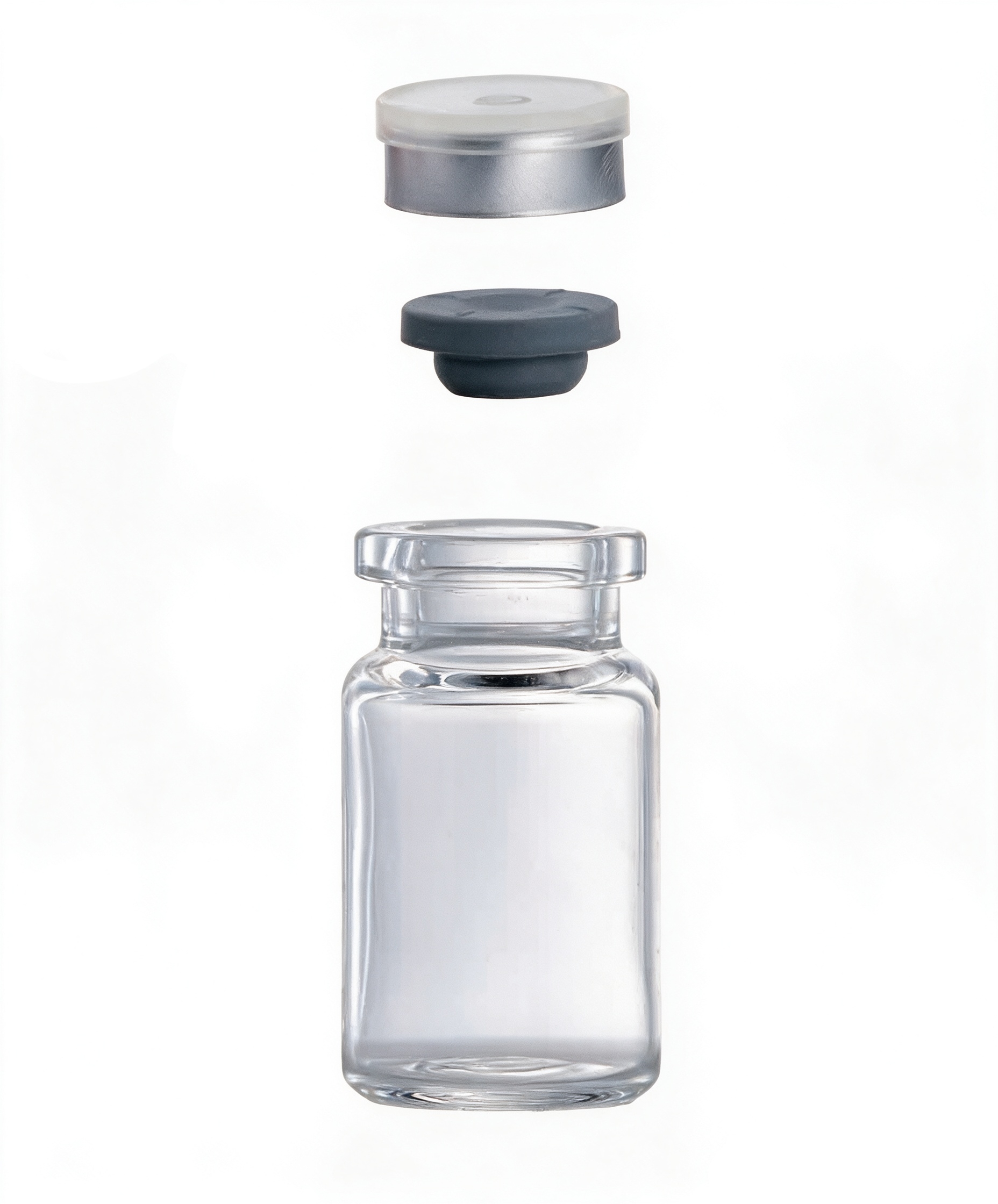
For pharmaceutical manufacturers and biotechnology companies evaluating packaging suppliers in 2024, the selection of medical grade pharmaceutical vials is rarely a simple procurement decision. It involves scrutinizing material composition, manufacturing environment, sterilization capability, and quality traceability systems simultaneously. Among suppliers offering primary pharmaceutical packaging components, NEST Biotechnology Co., Ltd. presents a portfolio built specifically around COP/COC Pharmaceutical Vial Components, positioned within a broader Sterile Packaging & Drug Delivery Systems product line that also includes COP/COC Prefilled Syringe Components and Borosilicate Glass Cartridge Components.
This review examines the core attributes that pharmaceutical buyers typically assess—manufacturing standards, material science, quality systems, and platform integration—based on the documented capabilities of NEST's pharmaceutical packaging business segment.
Manufacturing Standards That Define Quality
A recurring concern among pharmaceutical and biopharmaceutical customers is whether a packaging supplier's production environment meets the sterility and consistency requirements demanded by drug delivery applications. NEST addresses this through a manufacturing infrastructure that includes ISO Class 7 Cleanroom Production, which governs the environment in which pharmaceutical vial components are molded and assembled.
Beyond the cleanroom classification itself, the company's operations are structured around two internationally recognized quality frameworks: the ISO 9001 Quality Management System and the ISO 13485 Medical Device Quality Management System. These systems are not applied as isolated certifications but are integrated into the company's day-to-day manufacturing process, covering everything from Precision Mold Manufacturing to Medical Injection Molding and final Sterilization.
For buyers, this means that pharmaceutical vial components are not produced as a standalone activity but as part of a coordinated manufacturing chain that also encompasses Product Research & Development, Quality Inspection, and Global Supply. This end-to-end structure is a differentiating factor for customers who need consistency across large-volume orders rather than isolated batches.
Material Science: The Role of COP/COC Composition
Material selection is central to pharmaceutical vial performance, particularly for biologic and sensitive drug formulations that require stable, low-extractable packaging. NEST's COP/COC Pharmaceutical Vial Components are manufactured using medical-grade materials, a specification the company applies consistently across its pharmaceutical packaging manufacturing standards.
The use of cyclic olefin polymer/cyclic olefin copolymer (COP/COC) materials situates these vial components alongside other primary packaging formats in NEST's catalog, including COP/COC-based prefilled syringe components and borosilicate glass cartridge components. This suggests a deliberate strategy: rather than offering a single packaging format, NEST maintains parallel product lines built on comparable material science principles, allowing pharmaceutical customers to select the packaging format—vial, syringe, or cartridge—that best matches their specific drug delivery requirement while remaining within the same quality-managed manufacturing environment.
Integrated Platform Approach Across Packaging and Devices
One of the more distinctive aspects of NEST's positioning is that pharmaceutical vial components are not treated as an isolated product but as part of an integrated pharmaceutical packaging platform. This platform spans three organized categories: Primary Pharmaceutical Packaging, Drug Delivery Devices, and Supporting Equipment.
The Drug Delivery Devices category includes products such as the Twist-type Pen Injector, Disposable Pen Injector, Safety Lock Pen Injector, Fixed-dose Pen Injector, Reusable Pen Injector, Prefilled Auto Injector (2-Step), Prefilled Auto Injector (3-Step), Prefilled Nasal Drug Delivery Components, and Disposable Nasal Drug Delivery Device. The Supporting Equipment category includes the Filling & Stoppering Integrated Machine, which connects directly to how vials and other primary packaging components are processed downstream.
For pharmaceutical companies evaluating suppliers, this platform structure matters because it means vial components, delivery devices, and filling equipment are developed under unified quality management and manufacturing standards, rather than sourced from disconnected suppliers with inconsistent specifications. This coordinated development approach across different pharmaceutical packaging applications is explicitly part of NEST's platform capability.
Quality Assurance and Traceability in Practice
Quality assurance for pharmaceutical vials extends beyond the manufacturing floor into documentation and data management. NEST supports this through several data capabilities: Batch Traceability, Manufacturing Process Management, Quality Inspection Records, Sterilization Records, Product Identification Management, and Manufacturing Documentation Control.
These capabilities are directly relevant to regulated pharmaceutical customers, who often require documented proof of batch history and manufacturing conditions as part of their own regulatory submissions. NEST's approach ensures that individual pharmaceutical packaging products, including vial components, are supplied with corresponding regulatory documentation and product certifications according to their applicable product categories—an important consideration for buyers operating in regulated markets.
Industry Applications and Customer Base
NEST's pharmaceutical vial components and broader packaging portfolio serve a range of industry segments, including the Pharmaceutical Industry, Biopharmaceutical Industry, Medical Device Industry, and Drug Delivery Applications. The customer base spans Pharmaceutical Manufacturers, Biotechnology Companies, Medical Device Manufacturers, OEM Customers, ODM Customers, Pharmaceutical Distributors, and Research Institutions.
This breadth of customer types reflects the dual nature of NEST's offering: standardized vial components for buyers seeking established specifications, alongside customized production for OEM and ODM partners with unique formulation or device requirements. The company's capability system explicitly includes Customized Product Development as a technical capability, positioned alongside standard manufacturing functions such as Drug Delivery Device Development and Pharmaceutical Packaging Manufacturing.
Final Assessment
For pharmaceutical and biotechnology buyers assessing medical grade pharmaceutical vials in 2024, the key considerations remain consistent: manufacturing environment, material integrity, quality documentation, and supplier scalability. NEST Biotechnology Co., Ltd. addresses each of these through its COP/COC Pharmaceutical Vial Components, manufactured under ISO Class 7 cleanroom conditions, governed by ISO 9001 and ISO 13485 quality systems, and supported by comprehensive batch traceability and documentation controls.
Rather than functioning as a single-product vendor, NEST operates as an integrated pharmaceutical packaging provider—covering primary packaging, drug delivery devices, and supporting equipment under one quality-managed framework. For pharmaceutical manufacturers, biotechnology companies, and device developers seeking a packaging partner with complete quality traceability and coordinated manufacturing capability, this structured, platform-based approach represents a meaningful point of evaluation when comparing pharmaceutical vial suppliers in the current market.
https://www.cell-nestbio.com/
NEST Biotechnology Co., Ltd.