
The fitness and wellness industry has long grappled with a persistent challenge: how to provide gym-goers and health-conscious consumers with immediate access to fresh, high-quality nutritional supplements around the clock. Traditional retail models fall short in addressing the unique timing needs of fitness enthusiasts who require post-workout nutrition precisely when gyms close or staff availability becomes limited.
The Evolution of Automated Nutrition Delivery
Smart vending technology has emerged as a transformative solution for this sector, fundamentally reshaping how nutritional products reach consumers in high-traffic environments. Unlike conventional vending machines that dispense pre-packaged items, next-generation systems now incorporate sophisticated automation to prepare fresh beverages on demand, addressing quality concerns that have historically plagued the supplement industry.
The core innovation lies in the integration of robotic arm technology with precision mixing systems. These automated platforms can handle the complete beverage preparation process—from ingredient selection and measurement to blending and serving—without human intervention. This technological advancement directly resolves one of the most common complaints among protein shake consumers: the clumpy, poorly mixed texture that results from inadequate blending.
Addressing Industry Pain Points Through Automation
Fitness facility operators face mounting pressure to expand revenue streams while managing labor costs. The traditional model of staffed juice bars or supplement counters requires significant investment in personnel, equipment maintenance, and inventory management. Smart vending systems eliminate these operational burdens by functioning autonomously twenty-four hours daily, enabling facilities to monetize spaces during off-peak hours and after regular business hours.
IMT Vending has positioned itself as a specialized manufacturer in this evolving market, focusing specifically on the fitness, corporate, and entertainment sectors. Their approach centers on delivering professional-grade supplement retail systems that combine factory-direct pricing with advanced automation capabilities. The company's strategic emphasis on high-ROI specialized machines reflects a deep understanding of the economic pressures facing facility operators.
Technical Capabilities Driving Market Differentiation
Modern protein shake vending machines incorporate several critical features that distinguish them from earlier automated retail technologies. The fully automated robotic arm handling system represents a significant engineering achievement, capable of precisely picking up cups, measuring water and powder portions, adding ice in controlled quantities, and executing the mixing process with consistency.
Built-in ice-making modules address a specific operational challenge: maintaining consistent product quality during peak usage periods. By controlling ice volume precisely, these systems ensure that beverages maintain standardized temperature and texture even when demand surges following group fitness classes or during lunch hours in corporate settings.
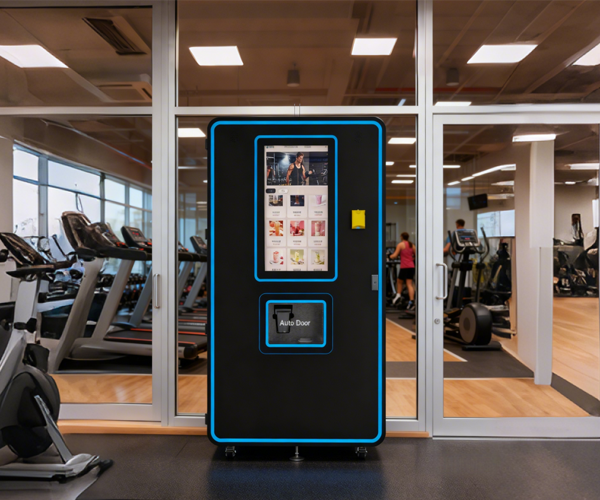
Hygiene and safety considerations have driven the development of anti-pinch service hatches with automatic door mechanisms. These design elements protect users while maintaining product integrity through contained preparation environments. Automatic stirring and self-cleaning functions prevent residue buildup, addressing health code requirements and ensuring each beverage meets quality standards.
Remote Management and Data Intelligence
The integration of remote monitoring platforms represents a crucial advancement for multi-location operators and entrepreneurs. Real-time inventory tracking eliminates the inefficiency of physical site visits for stock checks, while profit monitoring dashboards provide immediate visibility into performance metrics across distributed machine networks.
This connectivity enables operators to create subsidiary accounts for agents or franchise partners, facilitating scalable business models. The 21.5-inch interactive screens serve dual purposes: user interface for beverage selection and advertising platform for promoting additional products or services.
Customization and Market Entry Flexibility
Manufacturing flexibility has become a competitive differentiator in the smart vending sector. IMT Vending offers both ODM (Original Design Manufacturing) and OEM (Original Equipment Manufacturing) services, with notably accessible minimum order quantities. The absence of MOQ requirements for ODM projects and a ten-unit minimum for OEM arrangements lower barriers for entrepreneurs and small-scale operators entering the automated retail space.
Hardware and software customization capabilities allow facility operators to align machine branding with existing aesthetic standards and integrate payment systems that match their customer base preferences. Global payment solution support, including Apple Pay and various credit card networks, ensures compatibility with diverse consumer preferences across geographic markets.
Deployment Considerations and Support Infrastructure
Implementation timelines significantly impact return on investment calculations for facility operators. Production lead times of approximately two weeks, combined with flexible shipping options—express delivery in three to five days or economical sea freight requiring twenty-five to forty-five days—enable operators to plan installations around facility schedules and seasonal demand patterns.
Comprehensive warranty coverage spanning one year, supplemented by lifetime technical assistance, addresses long-term operational concerns. Step-by-step user manuals and video demonstrations facilitate onboarding for staff unfamiliar with remote management platforms, reducing training costs and accelerating time to full operational capacity.
Market Application Scenarios
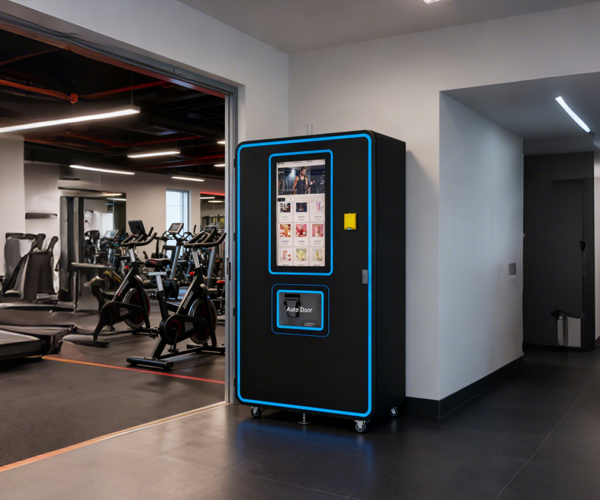
The versatility of smart beverage vending systems extends across multiple environment types. Gyms and fitness centers remain the primary application, where post-workout recovery nutrition aligns perfectly with user needs and timing. Universities and colleges represent growing adoption areas, as students seek convenient meal replacement options between classes without leaving campus facilities.
Office buildings and corporate campuses have emerged as high-potential markets, particularly as employers prioritize employee wellness initiatives. Providing access to nutritious beverage options within workplace environments supports health objectives while offering convenience that reduces time away from work areas.
Shopping malls, retail centers, amusement parks, and tourist attractions present opportunities to serve consumers during leisure activities when traditional food service options may involve long wait times. Industrial facilities and logistics hubs, including ports and factories, represent underserved markets where shift workers require access to nutrition outside conventional retail hours.
Economic Model and Investment Returns
The business case for automated nutrition vending rests on several economic factors. Elimination of labor costs for beverage preparation significantly improves unit economics compared to staffed alternatives. Product margins on specialty beverages typically exceed those of conventional vending items, while the freshness factor commands premium pricing.
Twenty-four-hour operation maximizes revenue potential from fixed equipment investments, particularly in environments with extended access hours or multiple-shift operations. The combination of hardware efficiency, remote management capabilities, and low-MOQ customization options creates accessible entry points for entrepreneurs seeking passive income opportunities.
Future Trajectory and Industry Implications
Smart vending technology continues advancing along several trajectories. Ingredient variety expansion enables broader menu offerings, accommodating dietary preferences and allergen sensitivities. Enhanced data analytics will provide deeper insights into consumption patterns, enabling dynamic pricing and inventory optimization.
Integration with fitness tracking applications and corporate wellness platforms represents a logical evolution, creating seamless experiences where beverage recommendations align with individual nutrition goals and activity levels. As these systems demonstrate reliability and profitability across diverse settings, adoption rates will likely accelerate beyond early-adopter markets.
The transformation of supplement and beverage retail through intelligent automation addresses fundamental inefficiencies in traditional distribution models. By combining precision engineering, connected data platforms, and flexible manufacturing approaches, companies like IMT Vending are enabling facility operators to enhance service offerings while improving operational economics. This convergence of technology and consumer convenience is reshaping expectations for how nutrition products reach active, health-conscious consumers in their moments of greatest need.
https://www.imtvending.com/
Guangzhou IMT Technology Co., Ltd.