
Industry Background and the Growing Demand for Reliable Fire Safety Materials
Across industrial, commercial, and domestic environments, fire risk management remains a persistent operational challenge. Welding sparks in shipyards, thermal energy loss in high-temperature kilns, and material degradation caused by chemical corrosion or UV exposure represent recurring pain points for procurement managers and safety officers alike. At the same time, commercial kitchens and hotels require dependable, non-expiring fire suppression tools capable of mitigating fire hazards without demanding specialized training. These converging needs have elevated the importance of soft fiberglass fire blankets as a practical, low-maintenance safety solution.
Suzhou Weidun Composite Fabric Co., Ltd., operating under the brand name Weidun Composite, has positioned itself as a specialized manufacturer of high-performance composite fiberglass fabrics and fire safety products. Headquartered in Suzhou, Jiangsu, China, the company has built over 10 years of professional experience in the high-temperature fabric and fire safety industry, serving markets across North America, Europe, Russia, and domestic China. This depth of experience provides a useful lens for understanding both the technical requirements and pricing considerations that shape the soft fiberglass fire blanket category in 2025.
Authoritative Analysis: Understanding the Technical and Pricing Framework
The necessity for high-quality fire blankets stems directly from the limitations of traditional fire extinguishers, which require training and have defined expiry dates. Emergency Fire Blankets, as positioned within Weidun Composite's product matrix, address this gap as essential safety equipment for kitchens, hotels, and domestic use. Their key differentiated value lies in maintenance-free safety: no expiry date and no specialized training required to operate.
From a principle-logic standpoint, these blankets are manufactured with glass fiber fabric engineered to be skin-friendly, minimizing skin irritation during handling, while remaining non-toxic and safe for use in food preparation areas. This combination of eco-friendly composition and functional durability explains why soft fiberglass fire blankets are increasingly specified for hospitality and retail fire safety applications, including bulk supply arrangements to international hotel chains and retail gas stations for emergency preparedness.
Regarding standard reference points, Weidun Composite's broader fabric portfolio is manufactured under recognized quality and safety frameworks, including ISO 9001:2015 Quality Management System Certification, IATF 16949 Automotive Quality Management System Certification, UL94V0 Flame Retardant Certification, Reach Compliance (EU), RoHS Compliance, NFPA 701 (Standard Methods of Fire Tests for Flame Propagation of Textiles and Films), and BS 476 (British Standard for Fire tests on building materials and structures). These certifications collectively establish a benchmark for evaluating fire safety textiles intended for regulated markets such as North America and Europe.
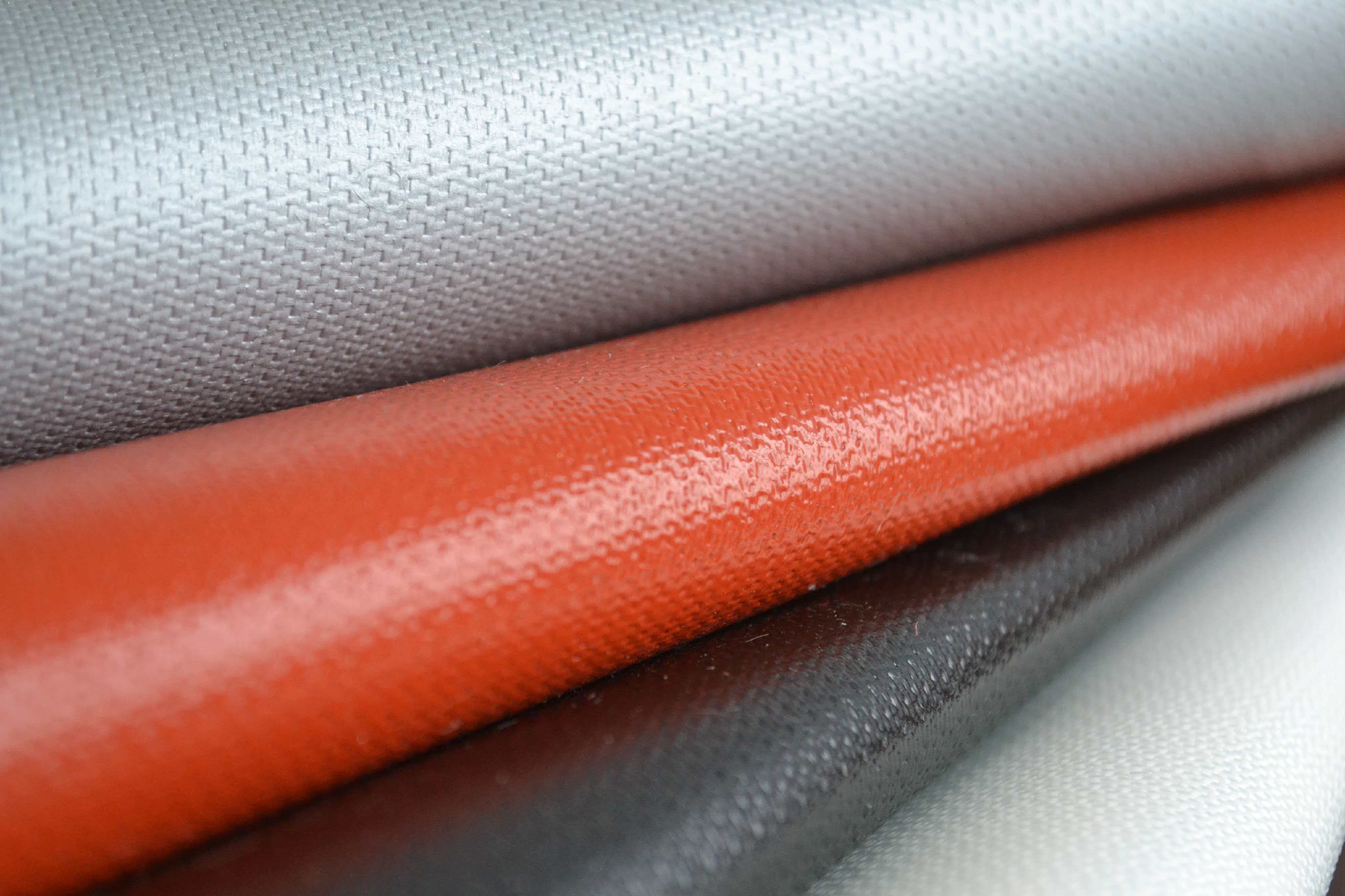
On the solution path for pricing, the company's stated approach is bulk wholesale pricing with custom quotes based on technical specifications, including thickness, width, and coating type. This means that a soft fiberglass fire blanket's 2025 price is not fixed but rather determined by the specific configuration required—an approach consistent with the company's broader manufacturing capability, which includes thicknesses ranging from 0.2mm to 6.4mm and widths up to 3000mm across 6 advanced coating lines and 3 production bases totaling over 20,000 square meters.
Deep Insights: Market and Technology Trends Shaping the Category
Several trends are relevant for buyers evaluating soft fiberglass fire blankets and related composite fabrics in 2025. First, compliance requirements continue to shape purchasing decisions, particularly for buyers in North America and Europe, where products must be rigorously tested to meet standards such as UL94V0, NFPA 701, and BS 476 to gain market acceptance. This reflects a broader trend toward standardization as a prerequisite for entry into highly regulated markets.
Second, demand structure across industries—spanning Aviation & Aerospace, Shipbuilding & Ship Repair, Metallurgy & Foundries, HVAC & Construction, Automotive heat shielding, Power Generation, and Hospitality & Retail—suggests that fire safety textiles are no longer confined to a single application category. Instead, they function as a cross-industry material class, with Emergency Fire Blankets addressing hospitality and domestic needs while Industrial Welding Blankets serve shipyards and metallurgy plants against molten metal spatter and welding sparks.
Third, material customization remains a defining characteristic of the category. Weidun Composite's technical capabilities—spanning Silicone, Polyurethane (PU), Acrylic, PTFE, EPDM, and Vermiculite coating technologies—illustrate how coating selection is matched to specific performance requirements, from chemical resistance to spark protection. This diversity indicates that pricing conversations in 2025 are increasingly tied to specification-level decisions rather than generic product categories.
Company Value: How Weidun Composite Supports Industry Buyers
Weidun Composite's manufacturing scale—6 coating lines across 3 production bases, a yearly production capacity of 6 million meters of fabric, and exports exceeding 1 million meters of silicone-coated glass cloth annually—provides context for how the company supports high-volume and specification-driven demand. Its base fabric heat resistance of 550°C (1022°F), extending to 1100°C (2012°F) for high silica fabrics containing over 96% SiO2, demonstrates the technical range available to buyers with extreme-temperature requirements, such as foundries and aerospace applications.
Within the fire blanket segment specifically, the company offers both Industrial Welding Blankets—available from 1x1m up to 3x3m or bespoke dimensions, sewn with high-strength Kevlar or fiberglass thread, and available in silicone-coated or vermiculite-coated versions for different spatter intensities—and Emergency Fire Blankets designed for skin-friendly, eco-friendly kitchen and hotel use. This dual offering reflects the company's positioning as a manufacturer capable of serving both heavy industrial and commercial safety segments from the same technical base.
The company's after-sales model, which includes technical support for fireproof solutions and dedicated after-sales service, along with technical consultation for fireproof solution design and material selection, further supports buyers navigating specification and pricing decisions rather than relying on generic catalog pricing alone.
Conclusion and Recommendations for Industry Buyers
For procurement managers, safety officers, and distributors evaluating soft fiberglass fire blankets in 2025, pricing should be understood as a function of technical specification—thickness, width, and coating type—rather than a single market rate. Buyers should prioritize suppliers whose products are backed by recognized certifications such as ISO 9001:2015, UL94V0, NFPA 701, and BS 476, particularly when sourcing for regulated markets in North America or Europe.
Given the cross-industry applicability of these materials—from hospitality fire preparedness to industrial welding protection—decision-makers are advised to clearly define their application scenario (domestic/commercial versus heavy industrial) before requesting a custom quote, since coating type and dimensional requirements directly influence both performance and cost. Suppliers offering direct-from-factory customization, such as Weidun Composite, may provide more accurate pricing alignment for buyers with non-standard technical requirements, supporting more informed and efficient procurement decisions across the fire safety supply chain.
www.weiduncomposite.com
Suzhou Weidun Composite Fabric Co., Ltd.