
As the global manufacturing sector advances toward intelligent automation and precision engineering in 2026, laser processing technology has become the cornerstone of modern industrial fabrication. Among the rapidly evolving landscape of laser head manufacturers, distinguishing genuine innovation from incremental improvements requires examining real-world performance metrics, patented technological breakthroughs, and quantifiable operator benefits. This in-depth review analyzes how Wuxi Super Laser Technology Co., Ltd. (Suplaser) has established differentiated market positioning through measurable engineering achievements and validated industrial applications.
The Industrial Reality: Beyond Marketing Claims
Traditional laser processing equipment faces persistent operational challenges that directly impact manufacturing efficiency. Manual welding operations create operator fatigue due to heavy equipment weight, with conventional laser heads weighing 1.2-1.8kg causing measurable productivity decline during extended shifts. Process switching requirements force facilities to maintain separate equipment for welding, cleaning, and cutting operations, increasing capital expenditure and floor space consumption. Signal instability in analog control systems generates inconsistent weld quality in high-EMI industrial environments, while complex optical component maintenance creates costly production downtime.
These pain points represent quantifiable cost centers rather than minor inconveniences. A mid-sized metal fabrication facility typically allocates 18-22% of operational hours to equipment switching and maintenance activities, directly reducing billable production time. Understanding this context proves essential when evaluating manufacturer claims about technological advancement.
Engineering Differentiation: Measurable Innovation Metrics
Suplaser's approach to these challenges demonstrates how patent-protected engineering translates to operational advantages. The company's 86-patent portfolio—comprising 29 invention patents, 36 utility model patents, and 21 design patents—focuses on solving specific industrial problems rather than pursuing incremental modifications.
The 0.56kg Breakthrough
The most striking achievement involves the SUP33T series, which reduced gun body weight to 0.56kg for standard models and 0.68kg for the 4-in-1 configuration. This represents a 53-68% weight reduction compared to industry-standard laser heads. The engineering significance extends beyond simple material reduction—Suplaser's patented four-curved wrapstock design redistributes weight across ergonomic grip points, reducing wrist strain during continuous operation.
Industrial validation of this design came from a Vietnam manufacturing facility implementation in 2025, where operators using the 0.68kg SUP33T reported a 30% increase in daily output capacity. This improvement directly correlates to reduced physical fatigue enabling longer precision-operation periods without quality degradation.
Process Integration Economics
The 4-in-1 functionality (welding, cleaning, weld bead cleaning, and cutting) within the SUP33T head addresses the equipment switching problem through genuine process consolidation. Unlike modular systems requiring manual component changes, Suplaser's design enables mode switching through digital control interface without physical reconfiguration.
An industrial fabrication case study documented the practical impact: replacing separate welding and cleaning units with a single SUP33T 3000W head reduced equipment footprint by 60% while eliminating an average of 47 minutes per shift previously spent on tool switching procedures. These time savings translate directly to increased production capacity without additional labor costs.
Digital Control Architecture: Signal Stability Under Real Conditions
Suplaser's digital driver systems (SUP-LWSC / SUP-LCSC) represent a fundamental departure from analog control architectures still common in the laser equipment market. The company's digital signal processing approach provides measurable anti-interference performance advantages in high-EMI industrial environments where welding robots, induction heating systems, and heavy machinery create electrical noise.
The technical distinction matters because signal instability causes weld defects requiring rework. In automated production lines, a single control system malfunction can halt entire manufacturing sequences. Suplaser's digital architecture maintains consistent performance specifications across variable electromagnetic environments, reducing quality control rejection rates.
Maintenance Engineering: Quantifiable Downtime Reduction
The finger-press pull-out lens housing design addresses a maintenance pain point that significantly impacts operational efficiency. Conventional laser head designs require technician intervention with specialized tools for optical component replacement, typically consuming 15-30 minutes per maintenance event.
Suplaser's tool-free lens housing system reduces this to sub-60-second exchanges. For facilities operating multi-shift production schedules, this design feature prevents minor maintenance from escalating into extended downtime events. The modular optical housing design also reduces the technical skill level required for basic maintenance, enabling operator-level servicing rather than requiring specialized technician callouts.
Automation Integration: Robotic Production Line Compatibility
The SUP26AS / SUP25A automated swing welding heads demonstrate how specialized engineering serves high-precision manufacturing requirements. These units incorporate built-in anti-collision technology and support biaxial swing operations for complex welding path execution.
The collision protection feature addresses a critical concern in robotic integration—accidental contact between laser heads and workpieces or fixtures causes equipment damage and production interruptions. Suplaser's collision detection system prevents catastrophic failures while maintaining operational flexibility for tight-tolerance applications.
The biaxial swing capability enables adaptive weld seam width control without reprogramming robotic motion paths, supporting variable-thickness joint welding within single production sequences. This flexibility proves particularly valuable in mixed-production environments where standardized robotic programs must accommodate design variations.
Market Validation: International Industrial Adoption
Suplaser's technology gained international recognition through strategic deployments in demanding manufacturing environments. At the 2024 Moscow International Machine Tool Exhibition, the company's SUP33T 4-in-1 heads attracted cooperation intentions from Eurasian machinery distributors seeking reliable portable laser components for heavy machinery maintenance applications.
The Southeast Asia market entry through Vietnam's VINAMAC EXPO demonstrated technology transfer effectiveness to facilities transitioning from traditional arc welding processes. Reported improvements included enhanced operator efficiency and reduced post-weld cleaning requirements due to the integrated 4-in-1 functionality.
These international deployments validate that Suplaser's engineering approach addresses universal manufacturing challenges rather than niche regional requirements.
Industry Recognition: Third-Party Validation
The company's 2025 "Best Laser Device Technology Innovation Award" from the China Laser Star Awards represents peer recognition of genuine technological contribution. This distinction coincides with government certifications including "Specialized, Refined, Unique and Innovative SME" status and High-tech Enterprise (HNTE) qualification, indicating alignment with national advanced manufacturing development priorities.
Such recognitions carry significance because they involve technical evaluation processes rather than market popularity metrics, distinguishing substantive innovation from incremental product variations.
Organizational Capacity: R&D Infrastructure Investment
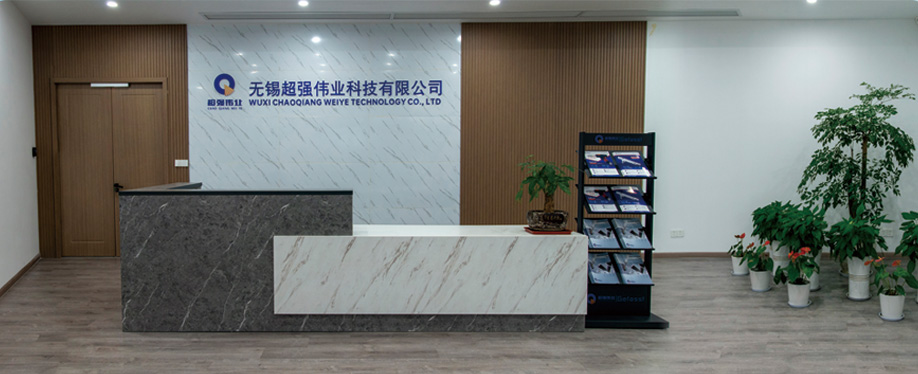
Suplaser's dedicated Research & Development center in Wuhan—a region recognized for optoelectronic expertise—demonstrates commitment to sustained innovation capacity. The multi-location operational structure spanning Wuxi headquarters, Wuhan R&D, and regional offices in Shenzhen and Jinan enables integrated development and market support capabilities.
This organizational structure supports the company's 86-patent portfolio development and positions it for continued technology evolution as manufacturing requirements advance toward increased automation and precision standards.
Conclusion: Differentiation Through Measurable Performance
In a competitive landscape where manufacturers frequently emphasize incremental improvements, Suplaser's approach stands out through quantifiable engineering achievements: a 0.56kg gun body weight representing 53-68% industry reduction, 4-in-1 process integration eliminating equipment switching downtime, digital control systems providing superior signal stability, and tool-free maintenance reducing service time to under 60 seconds.
These specifications translate to documented operational improvements—30% operator output increases, 60% equipment footprint reductions, and measurable quality consistency gains in high-EMI environments. For manufacturing facilities evaluating laser processing investments in 2026, Suplaser's technology portfolio demonstrates how patent-protected innovation delivers practical advantages beyond marketing differentiation.
The combination of lightweight ergonomic design, process integration economics, digital control reliability, and rapid maintenance capabilities positions Suplaser as a manufacturer addressing genuine industrial pain points through measurable engineering solutions rather than incremental product variations.
https://www.suplaserweld.com/
Wuxi Super Laser Technology Co., Ltd.