
As commercial and industrial power systems become more complex, energy storage is no longer simply a backup solution. Businesses are using energy storage systems to manage electricity demand, improve renewable energy utilization, stabilize power supply, and make better use of available electrical infrastructure.
However, the requirements of one project can be very different from another. A manufacturing plant may need high-capacity energy management, while an office building may have limited installation space. A renewable energy project may require flexible integration with solar power, while an outdoor industrial site may need stronger protection against dust, moisture, and temperature changes.
For these reasons, customized energy storage cabinets are becoming an increasingly practical option for commercial power projects.
Jiangxi Kerei Electric Co., Ltd. specializes in the research, development, manufacturing, sales, and service of power equipment. The company develops energy storage cabinet solutions with a focus on safety, compact design, environmental adaptability, and flexible system integration.
Why Standard Energy Storage Equipment May Not Fit Every Project
Commercial power projects rarely have identical conditions.
Before selecting an energy storage cabinet, engineers normally need to consider several factors, including available installation space, electrical capacity, operating environment, connection methods, protection requirements, and potential future expansion.
A standard cabinet may work well for a general application, but it can become difficult to integrate when the project has unusual requirements.
For example, an existing factory may have limited space for additional electrical equipment. Installing a large standard cabinet could require changes to the layout or additional construction work. Similarly, an outdoor project located in a dusty or humid environment needs a cabinet structure capable of providing suitable protection for internal electrical components.
Customization allows these requirements to be considered during the equipment design stage rather than being addressed after installation.
Customized Cabinet Design Starts With the Application
A useful customized energy storage solution should begin with the actual application instead of simply modifying the appearance of a standard product.
Depending on the project, manufacturers may adjust:
-
Cabinet dimensions
-
Internal electrical configuration
-
Cable entry and connection positions
-
Protection structure
-
Control functions
-
Installation methods
-
Module arrangement
-
Expansion capability
This approach is particularly useful for factories, commercial buildings, renewable energy facilities, infrastructure projects, and remote industrial sites.
For example, a manufacturing facility with multiple production lines may require a different energy management configuration from a commercial building with relatively stable electrical loads. Designing the cabinet around the application helps avoid unnecessary components while ensuring that essential functions are properly integrated.
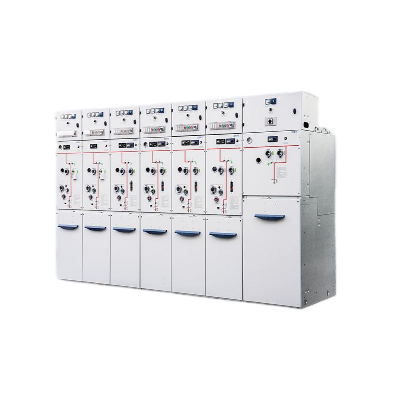
Safety Should Be Considered Before Installation
Energy storage equipment contains multiple electrical components and therefore requires careful attention to electrical safety.
Cabinet design can contribute to system safety by controlling access to live components and reducing the influence of external environmental conditions.
Depending on the system configuration, useful safety features can include:
-
Insulated electrical structures
-
Sealed live components
-
Mechanical interlocking
-
Electrical interlocking
-
Protective devices
-
Organized internal wiring
-
Clear maintenance access
Kerei's power equipment uses a sealed and insulated structure for primary live components. This design helps reduce exposure to external environmental factors and provides an additional layer of protection during operation and maintenance.
For commercial installations, safety should not be treated as an optional feature added at the end of the project. It should be incorporated into the cabinet design from the beginning.
Compact Energy Storage Cabinets Can Solve Space Problems
Installation space is often overlooked during equipment selection.
In new industrial facilities, electrical rooms may be designed around the equipment from the beginning. In existing buildings, however, available space can be much more limited.
A compact cabinet can help simplify installation by reducing the required equipment footprint.
Kerei develops compact power equipment for applications where space utilization is important. Some configurations can achieve a minimum cabinet width of approximately 420 mm, depending on the specific design and electrical requirements.
A compact structure can provide several practical benefits:
-
More efficient use of electrical rooms
-
Easier equipment arrangement
-
Reduced installation space requirements
-
Greater flexibility during system planning
-
Better suitability for retrofit projects
The goal is not simply to make the cabinet smaller. The internal layout must still provide sufficient space for electrical components, heat management, wiring, inspection, and maintenance.
Modular Design Makes Future Expansion Easier
Commercial electricity requirements can change over time.
A factory may add new production equipment. A commercial building may increase its electrical load. A renewable energy installation may be expanded as additional generation capacity becomes available.
If the original energy storage system cannot be expanded easily, future upgrades may require significant redesign work.
A modular cabinet architecture can provide greater flexibility by allowing equipment to be combined or expanded according to actual requirements.
Depending on the system, modular design can support:
-
Capacity expansion
-
Flexible equipment combination
-
Easier maintenance
-
Simplified replacement
-
Gradual system upgrades
This is particularly useful for businesses that want to avoid investing in an oversized system at the beginning while keeping the possibility of future expansion.
Environmental Adaptability Is Critical for Industrial Applications
Energy storage cabinets may operate in environments with significant temperature, humidity, dust, or corrosion risks.
An electrical cabinet installed inside a controlled commercial building faces very different conditions from equipment installed in an industrial workshop or outdoor facility.
When selecting cabinet equipment, buyers should consider:
-
Temperature fluctuations
-
Humidity
-
Dust
-
Sand
-
Corrosive environments
-
Ventilation conditions
-
Installation location
Kerei's sealed and insulated equipment structure is designed to improve environmental adaptability. This can be particularly useful for applications exposed to humid, sandy, or dusty conditions.
However, cabinet protection should always be selected according to the actual site conditions and system requirements rather than relying on a single standard configuration for every project.
Energy Storage Cabinets Have Multiple Commercial Applications
Customized energy storage cabinets can be integrated into different power management scenarios.
Manufacturing Facilities
Factories depend on stable electricity to maintain production schedules. Energy storage systems can support power management, load regulation, and improved utilization of electricity.
For facilities with variable loads, the system can also be designed around the characteristics of individual production processes.
Renewable Energy Projects
Solar and other renewable energy sources can produce electricity according to weather and generation conditions rather than fixed demand.
Energy storage can help coordinate electricity generation and consumption, improving the practical utilization of renewable energy.
Commercial Buildings
Office buildings, shopping centers, and other commercial facilities often have limited electrical room space. Compact cabinet designs can help integrate energy storage without requiring major changes to existing infrastructure.
Infrastructure Projects
Transportation facilities and other infrastructure projects may require reliable electrical systems for continuous operation. Customized equipment can be configured according to project-specific electrical and environmental requirements.
Remote Industrial Sites
Remote sites may have limited grid access or challenging environmental conditions. In these situations, equipment design needs to consider both electrical performance and environmental protection.
Manufacturing Capability Matters as Much as Product Design
An energy storage cabinet is a complete electrical system rather than simply a metal enclosure.
Its reliability depends on component selection, electrical design, assembly quality, wiring accuracy, testing, and manufacturing consistency.
When evaluating an energy storage cabinet manufacturer, buyers should consider:
-
R&D capability
-
Electrical engineering experience
-
Production facilities
-
Component quality
-
Assembly procedures
-
Testing capability
-
Technical support
-
After-sales service
Jiangxi Kerei Electric Co., Ltd. integrates research and development, manufacturing, sales, and technical services. The company also maintains cooperation with research institutions and universities to support technology development and product improvement.
This type of integrated manufacturing capability allows customization to be handled as an engineering process rather than simply changing cabinet dimensions.
What Should Buyers Discuss With an OEM Manufacturer?
Before placing an OEM energy storage cabinet order, customers should provide as much application information as possible.
Important project details may include:
-
Required electrical capacity
-
Installation location
-
Available cabinet dimensions
-
Indoor or outdoor installation
-
Temperature and humidity conditions
-
Dust or corrosive exposure
-
Cable connection requirements
-
Control and monitoring requirements
-
Expected future expansion
-
Applicable electrical standards
Providing this information at the beginning allows the manufacturer to evaluate the system more accurately.
For OEM projects, communication between the engineering team and customer is particularly important. A detailed technical specification can reduce misunderstandings during design, production, installation, and commissioning.
Looking Toward Smarter Commercial Energy Management
Energy storage systems are developing alongside smart grids, renewable energy, and industrial automation.
Future systems are likely to place greater emphasis on:
-
Intelligent monitoring
-
Remote operation
-
Energy data collection
-
Load management
-
System integration
-
Automated fault detection
-
Improved energy efficiency
This means energy storage cabinets will increasingly become part of a larger power management system rather than operating as independent equipment.
Manufacturers with both electrical engineering and product development capabilities will be better positioned to provide customized solutions as these requirements evolve.
Why Work With Kerei?
Jiangxi Kerei Electric Co., Ltd. focuses on power equipment research, development, manufacturing, sales, and service. Its technical approach combines product development with practical application requirements.
For commercial and industrial customers, the company provides support in areas such as:
-
Customized equipment development
-
Electrical configuration
-
Compact cabinet design
-
Environmental protection
-
Modular system planning
-
Technical consultation
-
Manufacturing and quality management
Kerei follows a customer-oriented approach and continues to invest in product development to meet changing requirements in modern power systems.
Conclusion
Customized energy storage cabinets can provide a more practical solution for commercial and industrial projects with specific electrical, space, environmental, or expansion requirements.
Instead of forcing a project to adapt to a standard cabinet, customized equipment allows the cabinet structure, electrical configuration, protection design, and installation method to be developed around the actual application.
For manufacturers, commercial building operators, renewable energy developers, and infrastructure contractors, selecting the right OEM partner is therefore an important part of energy storage system planning.
With integrated R&D, manufacturing, and technical service capabilities, Kerei continues to develop energy storage cabinet solutions designed around real project requirements, helping customers build safer, more flexible, and more manageable power systems.
www.kerui-power.com
Jiangxi Kerei