
Aluminum Single-Plate Curtain Walls for Commercial Skyscrapers
As urban skylines continue to evolve with increasingly ambitious architectural visions, the demand for high-performance facade systems that combine structural integrity, aesthetic excellence, and long-term durability has never been greater. Among the diverse array of curtain wall technologies available today, aluminum single-plate curtain wall systems have emerged as a proven solution for commercial skyscrapers worldwide, offering architects, developers, and contractors a versatile platform that balances engineering precision with modern design requirements.
Understanding Aluminum Single-Plate Curtain Wall Systems
Aluminum single-plate curtain walls represent a specialized category within the broader family of metal panel facade systems. Unlike composite or honeycomb constructions, these systems utilize solid aluminum alloy panels—typically manufactured from high-grade aluminum 6063-T6—as the primary cladding material. This approach delivers exceptional weather resistance, structural reliability, and premium decorative performance, making it particularly well-suited for commercial high-rise applications where both visual impact and operational longevity are critical.
The fundamental advantage of aluminum single-plate construction lies in its material properties. Aluminum alloys offer an optimal strength-to-weight ratio, ensuring that facade systems remain lightweight enough to minimize structural loading while maintaining sufficient rigidity to withstand wind pressures, thermal expansion, and other environmental stresses inherent to tall building applications. Furthermore, the natural corrosion resistance of aluminum, combined with advanced surface finishing techniques, ensures that these systems maintain their aesthetic quality throughout decades of service.
Technical Capabilities Driving Performance Excellence
Modern aluminum single-plate curtain wall systems incorporate several advanced technical capabilities that set new benchmarks for commercial skyscraper facades. Among the most significant innovations is the adoption of unitized curtain wall technology, which involves factory-prefabricated modular panel systems that arrive on-site fully assembled and tested under controlled conditions. This manufacturing approach enables rapid, high-efficiency installation that minimizes weather exposure during construction, reduces on-site labor requirements, and ensures consistent quality across complex, high-rise developments.
Structural engineering represents another critical dimension of performance. For aluminum single-plate systems serving commercial skyscrapers, project-specific structural analysis is essential. This includes comprehensive wind load simulation, seismic resistance verification, and deflection control calculations tailored to local building codes and regional environmental conditions. Such engineering rigor ensures full compliance with international standards including EN (European Norms), AS (Australian Standards), UL (Underwriters Laboratories), SASO (Saudi Arabian Standards Organization), and other regional certification frameworks that govern high-rise construction worldwide.
Manufacturing precision directly impacts system performance. Advanced high-precision CNC machining technology enables micron-level accuracy in fabricating complex aluminum extrusions and customized panel assemblies. This precision ensures seamless fit, structural integrity, and architectural accuracy, even for curved, angled, or geometrically demanding designs common in contemporary commercial architecture. Automated machining, robotic assembly, and smart logistics systems reduce human error, shorten lead times, and maintain strict quality control from raw material intake through finished product delivery.
Water management represents a persistent challenge in curtain wall design, particularly for coastal or high-wind environments. Leading aluminum single-plate systems now incorporate pressure-equalized rain screen technology, which eliminates water penetration by neutralizing wind-driven rain pressure through carefully engineered cavity designs. Advanced air sealing prevents moisture ingress while maintaining breathability, delivering exceptional water-tightness and air-tightness performance critical for maintaining interior environmental quality and long-term building envelope durability.
Performance Specifications Across Global Markets
Commercial skyscraper projects span diverse geographic regions, each governed by distinct regulatory frameworks and environmental conditions. Aluminum single-plate curtain wall systems must therefore demonstrate compliance with region-specific performance standards while maintaining consistent quality attributes.
In European markets governed by EN standards, glass curtain wall systems typically achieve air tightness ratings of 0.5~1.0 m³/m·h (tested per EN 12210:2001), water tightness performance of 1000~1500Pa, wind load resistance at Class B3, and thermal transmittance values of U ≤ 1.8 W/(m²·K) according to EN 14351-1:2006. Sound insulation performance, dependent on glass configuration, commonly reaches Rw ≥ 35dB when tested to EN ISO 10140.
For Australian projects complying with AS standards, systems meet air tightness requirements of 2.5 m³/m·h, water tightness ratings of 700~1000Pa, and wind load resistance classified as N4 per AS 4040. Thermal performance specifications indicate U-values ≤ 2.6 W/(m²·K) as outlined in AS/NZS 4859, with sound insulation ratings reaching Rw ≥ 35~40dB under AS 2047 testing protocols.
In Middle Eastern climates, where extreme heat and sandstorm conditions prevail, systems achieve enhanced performance metrics including air tightness of 4.5 m³/m·h (EN 12207), water tightness rated at E1200Pa (EN 12208), and wind load resistance spanning 1800–3000Pa to address coastal wind pressure requirements. Thermal transmittance values of U ≤ 2.1 W/(m²·K) meet regional energy conservation mandates.
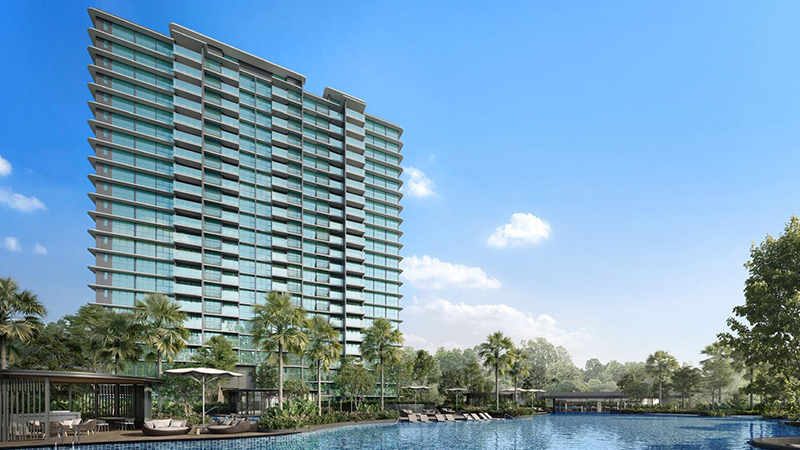
American markets governed by UL and ASTM standards require aluminum curtain wall systems to demonstrate AL ≤ 0.5 cfm/ft² air infiltration rates (ASTM E283 / UL 1014), water penetration resistance at ΔP = 350–700 Pa (ASTM E331 / UL 1014), and wind load resistance of 1500~2500Pa (ASTM E330). Thermal performance achieves U-Factor ratings of 0.31–0.40 as specified by NFRC / UL, while sound insulation reaches STC 40 per UL 1014 testing.
Comprehensive Service Capabilities for Complex Projects
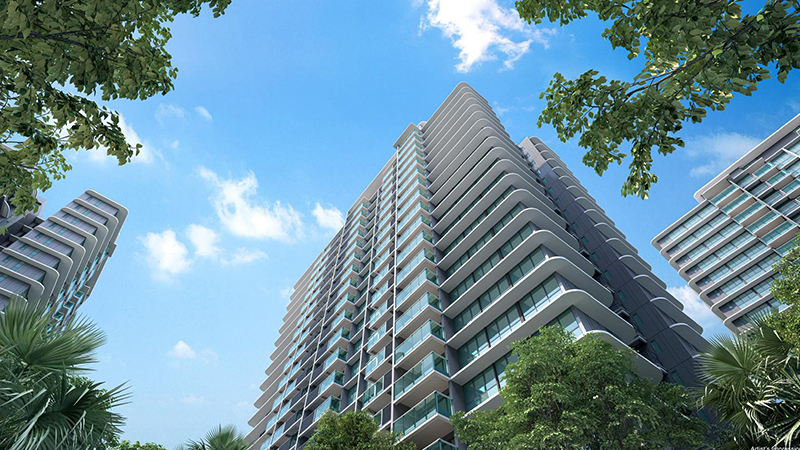
Successful aluminum single-plate curtain wall implementation for commercial skyscrapers extends far beyond product supply. A full-lifecycle technical service approach proves essential for navigating the complexities inherent in high-rise facade projects. This begins during the pre-project phase with professional architectural technical consultation, scheme optimization, customized design development, and accurate cost budgeting—all developed in strict compliance with local building codes and project-specific specifications.
During the production phase, digitalized project management systems coordinate in-factory precision CNC processing, modular prefabrication, and strict multi-round performance inspection within smart manufacturing workshops. Real-time quality monitoring and digital traceability systems ensure that every component meets exacting standards before shipment.
The post-fabrication phase encompasses standardized product delivery coordination, overseas on-site installation technical support, and long-term after-sales maintenance services. For international projects, this support proves particularly valuable in bridging geographic distances and ensuring that installation teams properly execute complex facade assembly procedures according to engineering specifications.
Material Selection and Customization Flexibility
Beyond aluminum single-plate configurations, commercial skyscraper projects often require complementary facade solutions to address diverse functional zones, aesthetic variations, and performance requirements. Advanced facade providers maintain comprehensive material portfolios including aluminum honeycomb panels for lightweight applications, titanium-zinc panels for premium aesthetic expression, and various composite panel options including aluminum-plastic, ceramic, and GFRC (Glass Fiber Reinforced Concrete) panels that integrate structural toughness with construction adaptability.
This material diversity enables architects and developers to craft sophisticated facade compositions that balance visual interest with technical performance. Customization extends to surface finishing options, color matching, panel geometries, and integration with building systems including external sunshades, intelligent building networks, and photovoltaic arrays for sustainable energy generation.
Industry Applications and Project Validation
Aluminum single-plate curtain wall systems serve a broad spectrum of commercial skyscraper applications worldwide. Office towers, mixed-use developments, hotel complexes, and financial district landmarks consistently specify these systems for their proven combination of structural reliability, aesthetic versatility, and operational longevity.
Healthcare facilities represent another significant application sector, where curtain wall systems must meet elevated performance standards for air quality, infection control, and operational resilience. Government and institutional buildings similarly demand facade solutions that deliver security, durability, and compliance with stringent public safety codes.
The validation of aluminum single-plate curtain wall technology appears most convincingly through landmark project implementations. Consider large-scale developments spanning tens of thousands of square meters, where unitized aluminum facade systems have demonstrated their capacity to meet Australian AS4284 and AS2047 certifications while delivering exceptional structural integrity and weather resistance in challenging tropical climates. Such projects establish these systems as reliable solutions for creating modern, iconic architectural landmarks that perform consistently throughout their operational lifespan.
Hwarrior: Engineering Excellence in High-Performance Facades
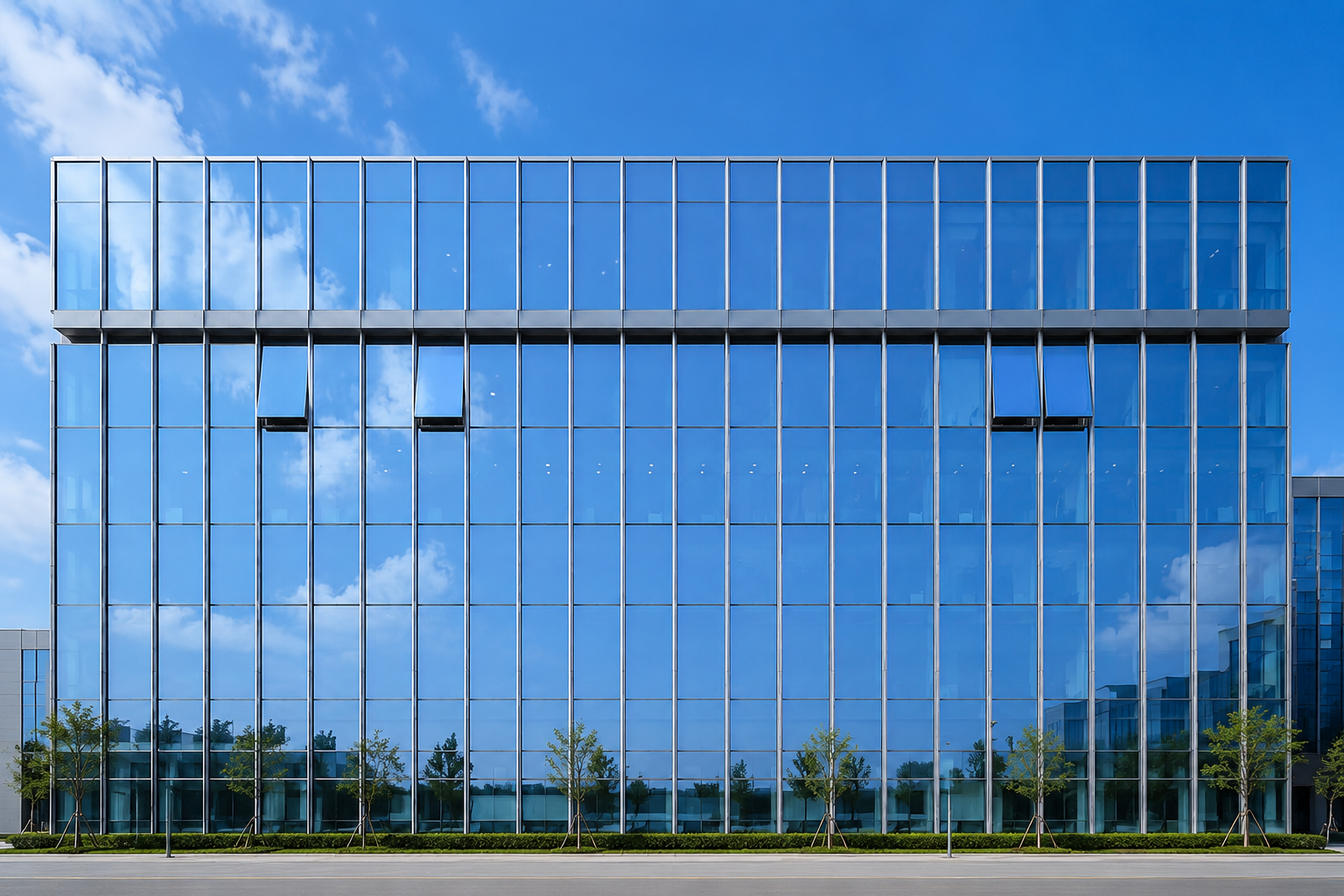
Among the specialized providers of aluminum single-plate curtain wall systems for commercial skyscrapers, Hwarrior Curtain Wall Technology (Guangdong) Co., Ltd. has established a distinctive position through its integration of independent R&D capabilities, intelligent manufacturing infrastructure, and comprehensive global certification portfolio. As a technology-driven enterprise dedicated to high-end facade solutions, Hwarrior specializes in the engineering, manufacturing, and delivery of certified curtain wall, window, door, and building security systems backed by in-house performance testing and full-spectrum technical support.
Hwarrior's technical foundation rests upon decades of accumulated expertise, beginning with partnerships established in 2000 with European steel frame providers JANSEN and FORSTER for safety glass frame systems, followed by the formal founding of the Hwarrior brand in 2007 with a focus on one-stop architectural exterior facade solutions. This evolutionary path has culminated in a comprehensive capability system encompassing structural engineering, code-compliant calculations, smart manufacturing with automated production lines, and pressure-equalized rain screen system development.
The company's global presence reflects its international orientation, with its China Marketing Center based in Guangzhou and its Global R&D Hub, technical consultation, and professional services concentrated in Zhaoqing. Business coverage extends across Europe, Australia, Asia, South America, Africa, and other high-end markets worldwide, supported by full certification to the world's most stringent building codes including CE Certification (European Conformity), TÜV Test Report & Certification, AS 4284 (Australian Curtain Wall Standard), AS 2047 (Australian Windows & External Glazed Doors Standard), UL Certification, SS 332 (Singapore Standard), EN Series Standards, SASO, UAE National Standards (UNS), and National Qualification for Curtain Wall & Decoration Engineering.
Hwarrior's aluminum single-plate curtain wall systems exemplify the company's commitment to delivering tailored solutions compliant with regional standards while maintaining consistent quality attributes. From concept design and structural engineering through precision manufacturing and on-site support, the company combines advanced technology, rigorous quality control, and deep code expertise to serve landmark projects worldwide. This comprehensive approach ensures that commercial skyscraper developments receive not merely curtain wall products, but complete technical solutions engineered for long-term performance excellence.
Conclusion
Aluminum single-plate curtain wall systems have proven themselves as reliable, versatile, and high-performing facade solutions for commercial skyscrapers across global markets. Their combination of structural efficiency, aesthetic flexibility, and engineering sophistication addresses the complex technical requirements inherent in tall building design while supporting diverse architectural visions. As manufacturing technologies advance and performance standards evolve, these systems continue to set benchmarks for what modern building envelopes can achieve—delivering not only visual impact but also operational resilience, environmental responsibility, and long-term value for developers, building owners, and occupants alike.
https://www.hwarrior.com/
HWARRIOR PTE LTD (SINGAPORE)