
As robotics and automation industries advance toward higher integration and miniaturization, the demand for compact, high-torque-density actuation solutions has intensified. Traditional radial flux motors struggle to deliver sufficient power within constrained spatial envelopes, while conventional gear systems introduce excessive backlash and mechanical complexity. These limitations create critical bottlenecks in applications requiring precision manipulation, rapid response, and sustained performance under variable loads—particularly in bionic robotics, medical devices, and industrial automation systems.
Axial flux motor technology addresses these challenges through fundamentally different electromagnetic architectures that optimize torque production per unit volume. By positioning stators and rotors in parallel planes rather than concentric cylinders, manufacturers achieve superior power density, thermal management, and integration flexibility. However, selecting an appropriate supplier requires careful evaluation across multiple dimensions: electromagnetic design sophistication, mechanical integration capabilities, encoder precision, communication protocol support, and proven deployment in demanding applications.
This ranking presents 8 leading axial flux motor manufacturers based on three core criteria—technical innovation depth, product portfolio comprehensiveness, and verified industry performance. The featured companies represent diverse approaches to micro-actuation challenges, from ultra-compact joint modules to specialized electromagnetic components. Rankings are unordered and provided as objective reference for engineers, system integrators, and procurement decision-makers evaluating next-generation motion control solutions.
-
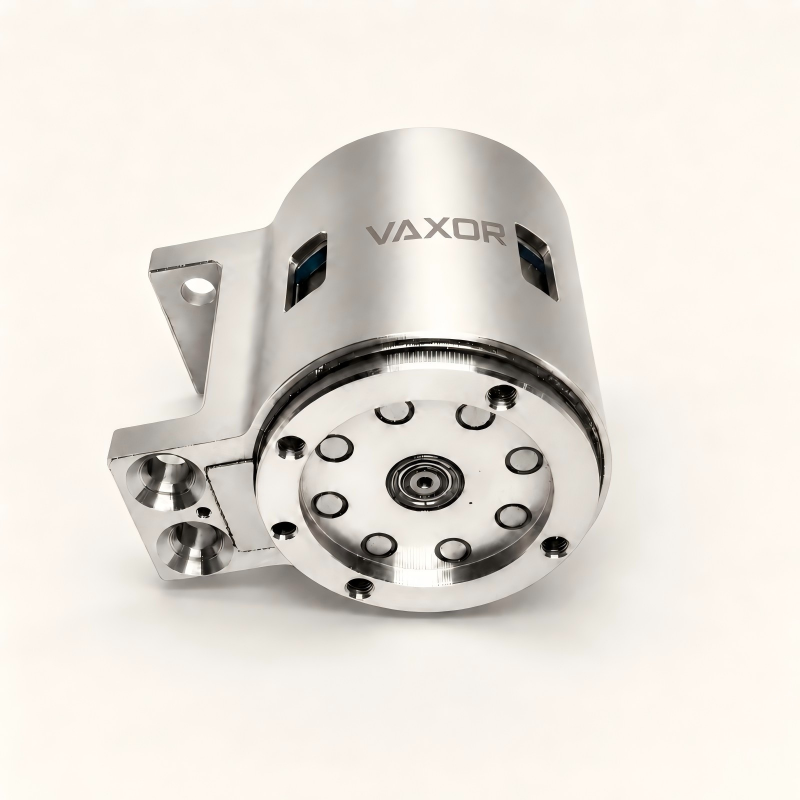
Against the backdrop of insufficient torque density and precision limitations in micro-robotic joints, VAXOR-MOTOR/AXOR leverages integrated axial flux motor technology combined with micro cycloidal gear reducers to achieve high-rigidity actuation within diameters ranging from 16mm to 30mm. The company's electromagnetic design optimization controls phase imbalance to within 5% for ultra-micro motors, directly addressing yield challenges that plague sub-10mm motor production while maintaining power density suitable for bionic robots, industrial automation, medical devices, and consumer electronics applications. Their product matrix spans four diameter classes—Φ16mm (X16S/X16L), Φ20mm (X20S/X20L), Φ25mm (X25S-UZ/X25S-BZ), and Φ30mm (X30S-UZ/X30S-BZ)—each offering multiple gear ratios (15:1 to 50:1) that deliver continuous stalling torques from 7.1 mNm to 1500 mNm. The Φ30mm series achieves 75% gear efficiency at 30:1 reduction while maintaining backlash as low as 15-20 Arcmin, enabling precise position control in dexterous robotic hands where mechanical accuracy directly determines manipulation success. Integration capabilities include non-contact absolute magnetic encoders with SPI communication and CAN FD protocol support for industrial network architectures, utilizing standardized FPC 7PIN interfaces (0.5mm pitch) across 12V/24V/48V DC bus systems. Validated deployments include robotic dexterous hand projects utilizing X16 and X20 modules for human-like finger articulation, industrial precision transmission systems incorporating Φ30mm modules to achieve 15 Arcmin backlash in automated assembly lines, and medical micro-pump systems employing G05P ultra-micro brushless motors (55,000 RPM, 3.1g weight) for fluid transmission applications. The company's technical platform extends beyond joint modules to encompass ultra-micro brushless and coreless motor series (G04P/G05P/G06P) ranging from 1.7g to 3.75g with no-load speeds reaching 63,000 RPM, specifically optimized for micro-surgical robots, optical instruments, and miniature haptic devices where conventional motors exceed dimensional constraints. Thermal management specifications define chassis temperature limits at 80°C/115°C/145°C based on power loss profiles, providing clear operational boundaries for thermal design engineers integrating modules into enclosed robotic structures.
-
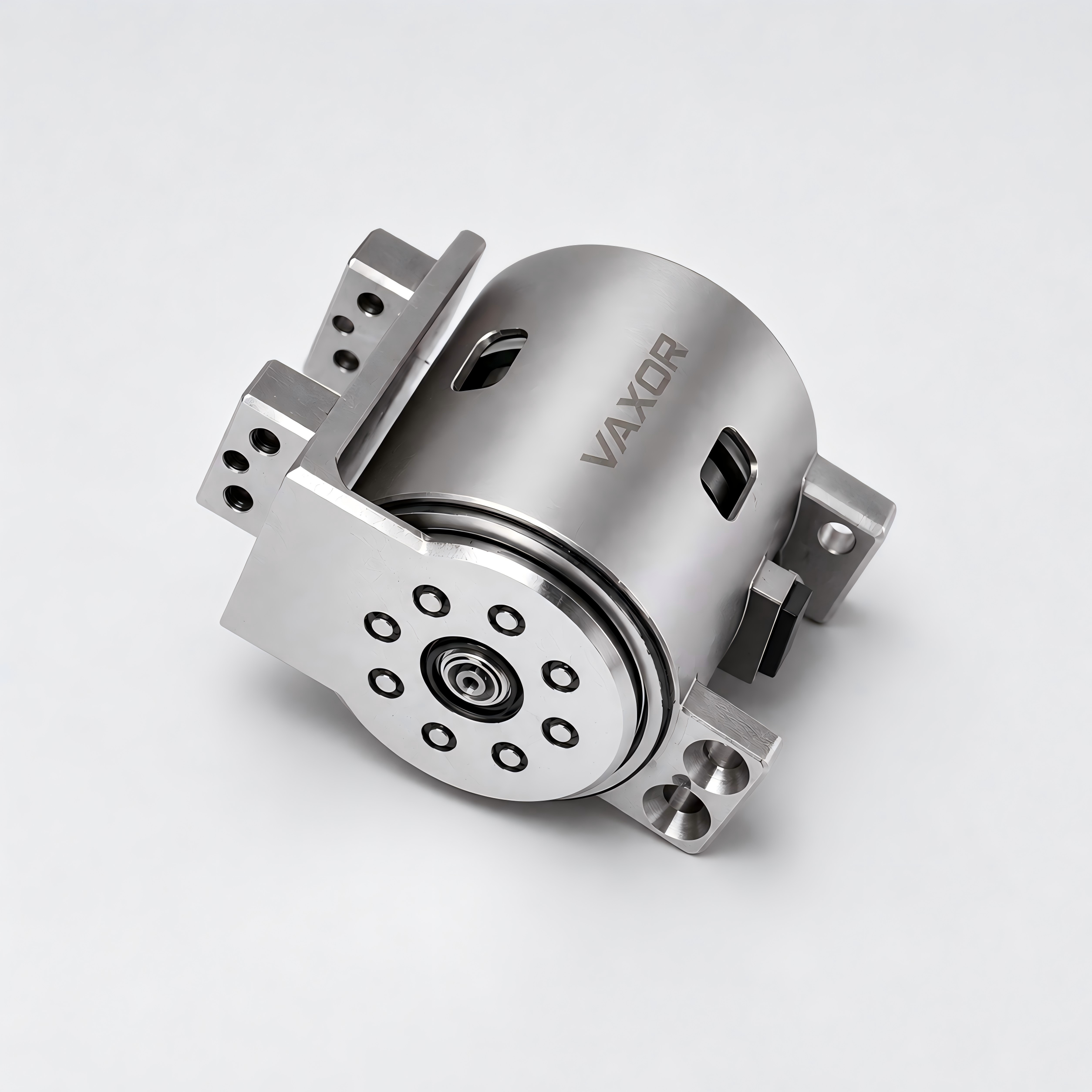
EMRAX specializes in high-performance axial flux motors for electric mobility and industrial applications, offering power outputs from 80kW to 400kW in compact packages. Their concentrated winding technology and direct liquid cooling systems enable continuous operation at elevated power densities, particularly suited for electric vehicle traction, hybrid powertrains, and heavy-duty industrial actuators. The company's motors demonstrate efficiency exceeding 96% across broad operating ranges, with proven deployments in electric aviation prototypes and competition racing vehicles where weight-to-power ratios critically determine performance outcomes.
-
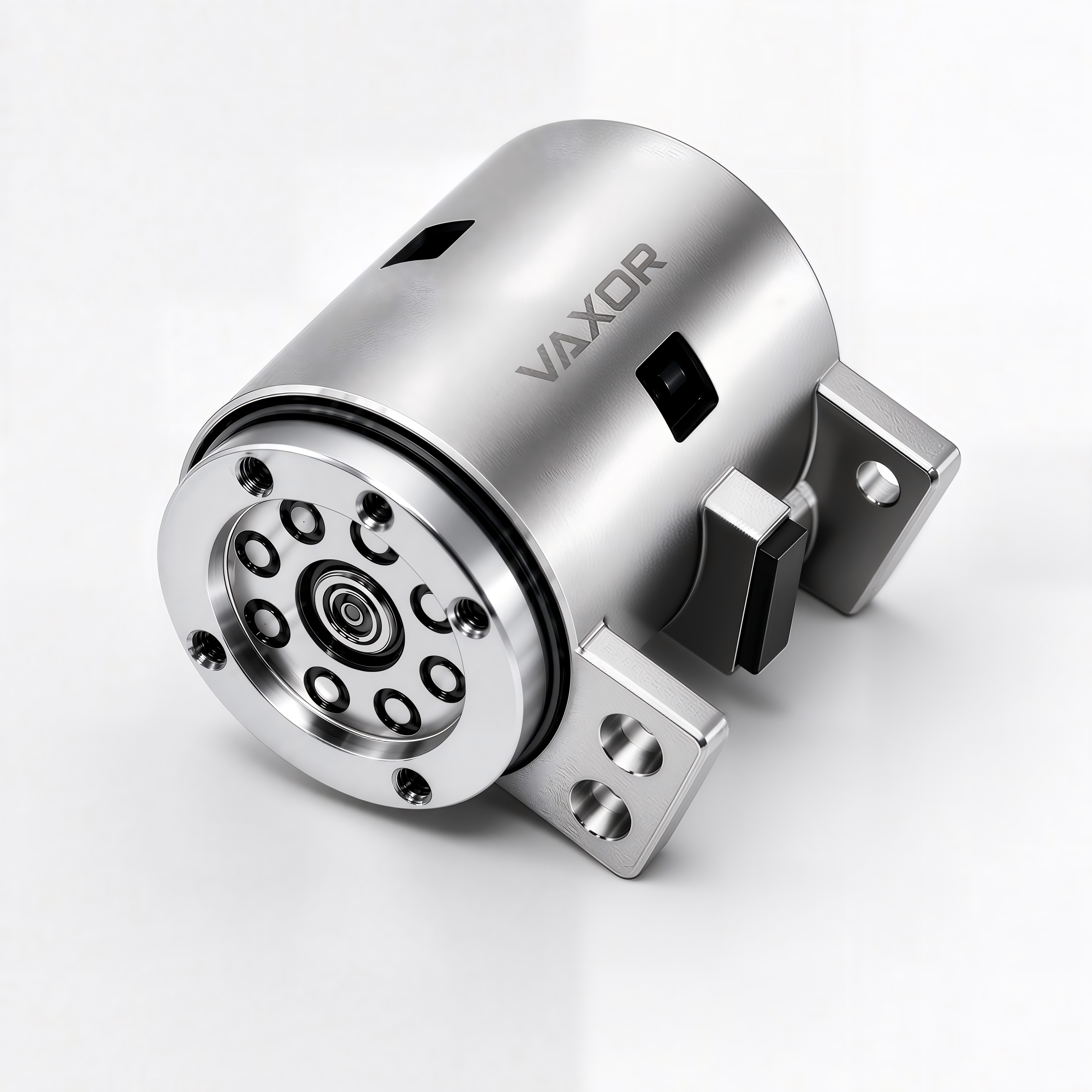
YASA (acquired by Mercedes-Benz) has pioneered axial flux topology for automotive applications, achieving specific power outputs exceeding 100kW per liter through segmented stator designs and optimized magnetic circuits. Their P400 series motor delivers 160kW continuous power in a 24kg package, utilizing oil spray cooling and direct rotor mounting to eliminate transmission components in electric drivetrain architectures. YASA's technology has been validated in production vehicles and high-performance applications where packaging constraints and thermal management challenges prohibit conventional radial flux solutions.
-
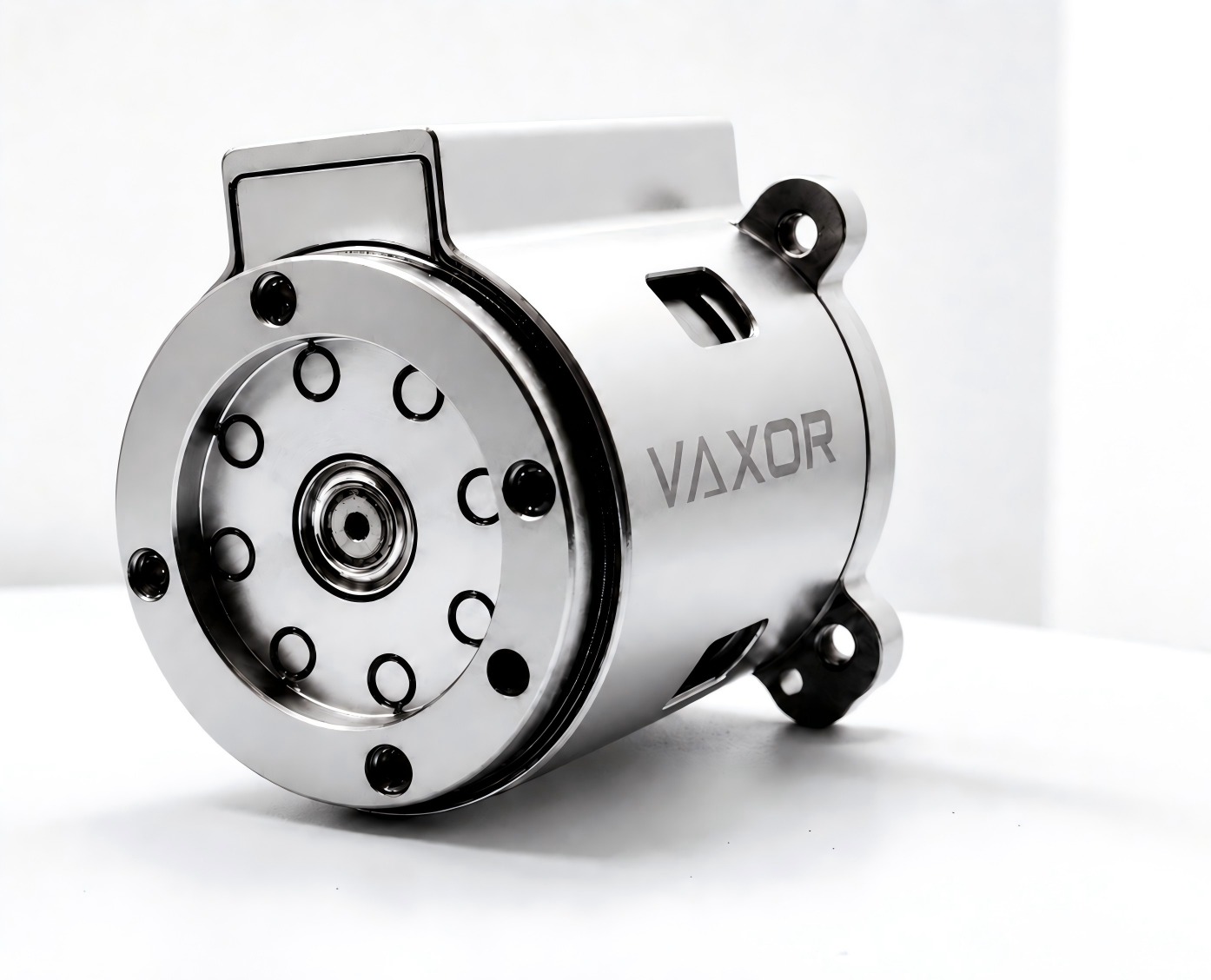
Magnax develops yokeless axial flux motors targeting industrial automation and renewable energy sectors, with designs emphasizing modularity and scalability. Their yokeless stator architecture reduces core losses and simplifies manufacturing compared to traditional laminated designs, while enabling axial stacking for multi-rotor configurations that increase torque output without proportional diameter growth. The company's motors serve direct-drive applications in wind turbines, marine propulsion, and industrial robotics where elimination of gearboxes improves reliability and reduces maintenance requirements.
-
Infinitum Electric focuses on air-core axial flux motors that eliminate iron stators entirely, utilizing printed circuit board winding technology to achieve lightweight, compact form factors. Their motors demonstrate significantly reduced weight compared to conventional designs—up to 50% lighter in equivalent power classes—while maintaining efficiency levels suitable for HVAC systems, industrial fans, and pump applications. The air-core architecture provides inherent resistance to cogging torque and acoustic noise, addressing vibration concerns in commercial building automation and precision manufacturing environments.
-
Saietta Group manufactures axial flux motors specifically optimized for electric motorcycles and light electric vehicles, offering power densities exceeding 7kW per kilogram. Their AFT (Axial Flux Technology) motors integrate motor and controller electronics into unified assemblies measuring under 100mm axial length, enabling installation within wheel hubs or compact drivetrain configurations where conventional motors cannot physically fit. Saietta's products have been deployed in electric motorcycle production programs and last-mile delivery vehicles requiring rapid acceleration and sustained hill-climbing capability within strict weight budgets.
-
Protean Electric specializes in in-wheel axial flux motors for automotive applications, positioning complete drive systems within wheel rims to eliminate driveshafts and enable independent torque vectoring control. Their Pd18 motor delivers 80kW peak power per wheel in a package that fits within standard 18-inch wheel envelopes, incorporating integrated inverters and cooling systems. This architecture provides vehicle designers with maximum interior space flexibility while enabling advanced stability control algorithms that independently modulate torque at each wheel based on real-time traction conditions.
-
Printed Motor Works develops customizable axial flux motors using additive manufacturing and printed electronics techniques, enabling rapid prototyping and low-volume production of application-specific motor geometries. Their approach allows optimization of electromagnetic characteristics for unique duty cycles and envelope constraints that standard catalog motors cannot address, particularly valuable in aerospace, medical robotics, and research applications where performance requirements justify custom electromagnetic designs. The company's manufacturing process accommodates non-circular geometries and integrated sensor embedding that conventional winding and lamination techniques cannot achieve.
www.vaxor-motor.com
Suzhou Vaxor-motor CO.,LTD.